The Therapist Finder was founded by Luisa Kos, a psychotherapist with a previous career in web design and user experience. After years of seeing how difficult it can be for people to find the right therapist—and how frustrating directory platforms can be for therapists themselves—she decided to build something better. The platform brings together her clinical experience and technical background to create a directory that’s intuitive, human-centred, and genuinely useful. The result is a faster, clearer and more personalised way to connect people with the support they need.
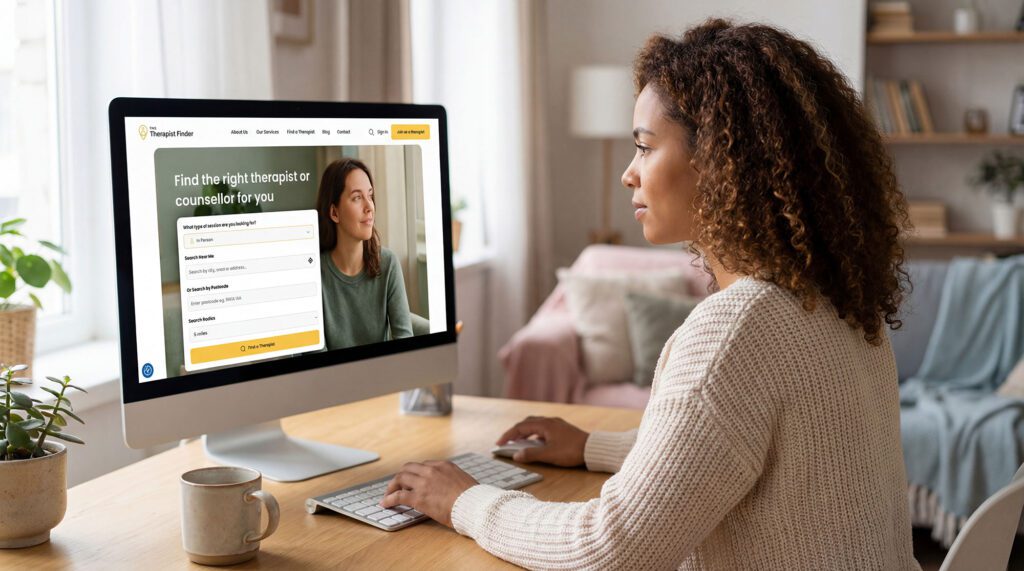
The Therapist Finder is a UK directory of verified, independent therapists. We help people find psychotherapists, counsellors and couples therapists for online and in-person therapy. Every therapist is checked against their professional body before their profile goes live.
We list individual practitioners only. We do not list therapy platforms, corporate aggregators, or companies using multiple managed profiles.
Therapist Finder is more than just a directory—it’s a specialised platform that connects people with the right mental health professionals based on their unique needs.
Easy search by speciality
Whether you’re looking for a therapist specialising in anxiety, relationships, trauma, or another area, you can filter your search to find the right professional.
Clear, concise listings
Each therapist profile provides key information to help you make an informed choice.
Mental health insights
Our platform also publishes expert content on mental health topics, different types of therapy, and tips for emotional well-being.
Why choose us?
Here is why
The Therapist Finder connects you with highly specialised therapists tailored to your specific needs—whether it’s anxiety, relationships, trauma, or more. With clear profiles and easy search filters, finding the right support has never been simpler. Start your search today.
Is therapy right for me?
Understand the signs that therapy could help and what to expect from the process.
Looking for the right therapist? Our directory connects you with experienced, qualified professionals who specialise in a wide range of mental health and relationship challenges. Whether you need support for anxiety, depression, couples therapy, or personal growth, you’ll find trusted therapists ready to help. Browse our featured therapists today and take the first step towards lasting change.
Featured Therapist
Anna Gilmore
Psychotherapist
Person centered therapy, short term or long term counselling.
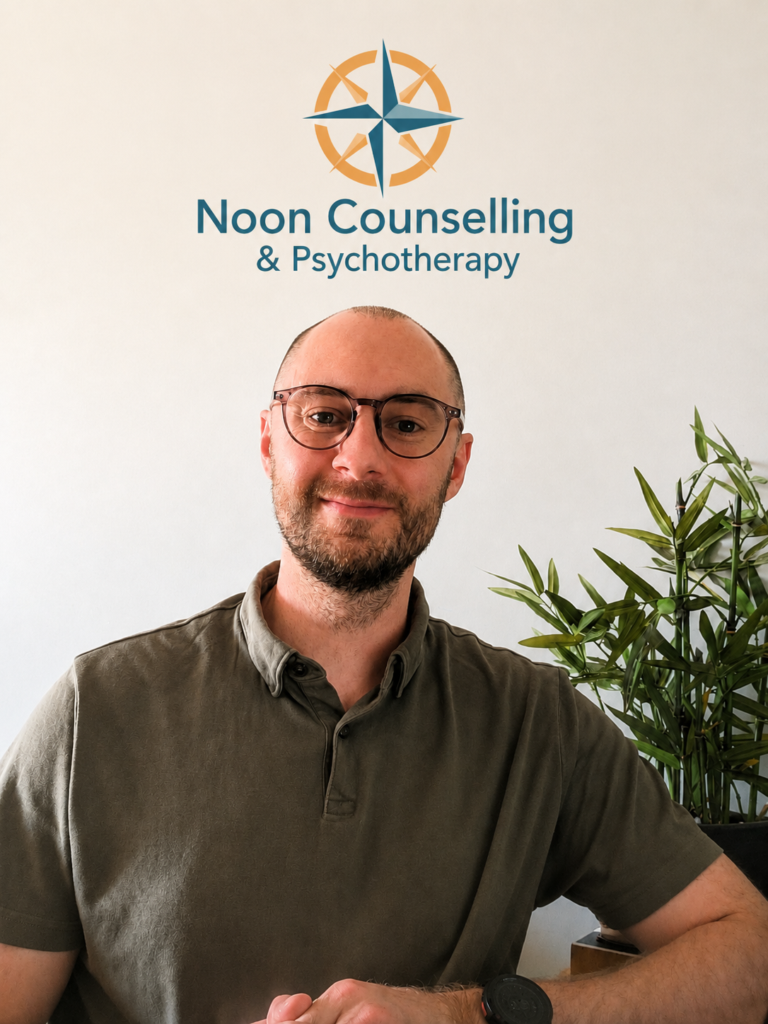
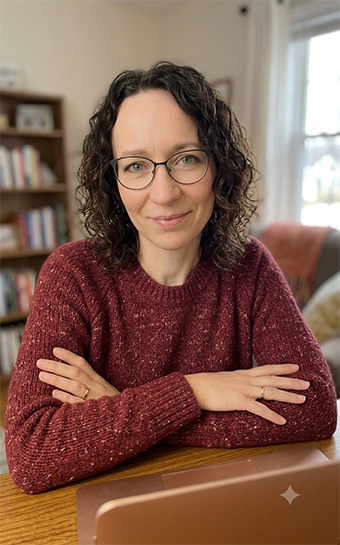
If you’ve found your way here, something isn’t feeling right. People usually come to therapy at a crunch point, not when life feels like smooth sailing, but the reasons and the timing are as individual as we all are. Sometimes there’s something you can name clearly: old wounds that still haunt you, or something that’s just happened. Other times it’s harder to pinpoint – a nagging discontent or a vague sense that life should be different somehow. Whatever it is for you, I’m glad you’re here. I’ve worked successfully across a wide range from the everyday weight of stress, anxiety and feeling low, to more complex presentations like trauma and disorders. In short – anything and everything that makes us human. My approach is relational and exploratory, and we go at the pace that’s right for you. Living Unbound is about loosening what has become tightly tied in knots: trauma, shame, addiction, patterns that no longer serve you but keep playing out, loss and grief, life changes, or simply a sense of being stuck without fully knowing why. There isn’t always a neat explanation and we don’t need one to begin. How we work together is shaped by where you are and where you’re hoping to go – even if that’s not yet clear. Some people arrive in crisis, others with a quiet sense of being stuck, disconnected or tired of carrying things alone. Psychotherapy is the deep and exploratory work of understanding yourself – how you came to be who you are, how you learned to cope, and how certain patterns came to shape your life. People come to therapy with many different concerns: anxiety, stress, grief, identity questions, relationship difficulties, trauma or a sense of emptiness even when life looks “fine” from the outside. This is a space to think, feel, reflect, and make meaning without pressure to perform or be anything other than honest. What appears to be true, in my experience, is that therapy is where you have the space to understand and learn how to live differently inside yourself and in relationship with others. If you’d like to know more about how I work, head to the About Me page, where you’ll also find details of my training and experience. If this resonates, I’d be glad to hear from you. Anna
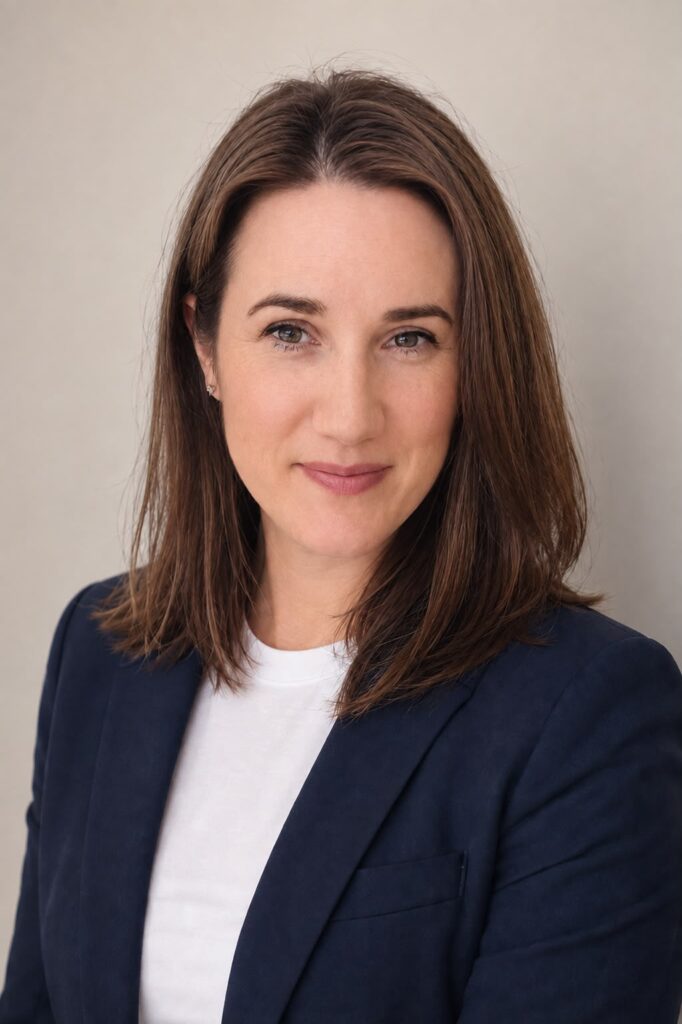
Feeling stuck in cycles of anxiety, overwhelm, people-pleasing, or difficult relationships? When you are constantly putting everyone else’s needs first, or carrying the weight of past trauma, it is so easy to lose your own voice in the noise. You don’t have to carry this heavy burden alone. I offer a calm, trauma-informed space for women to process difficult feelings, release the pressure to fix everything, and rebuild genuine confidence in yourself. You deserve a space where your needs truly come first.
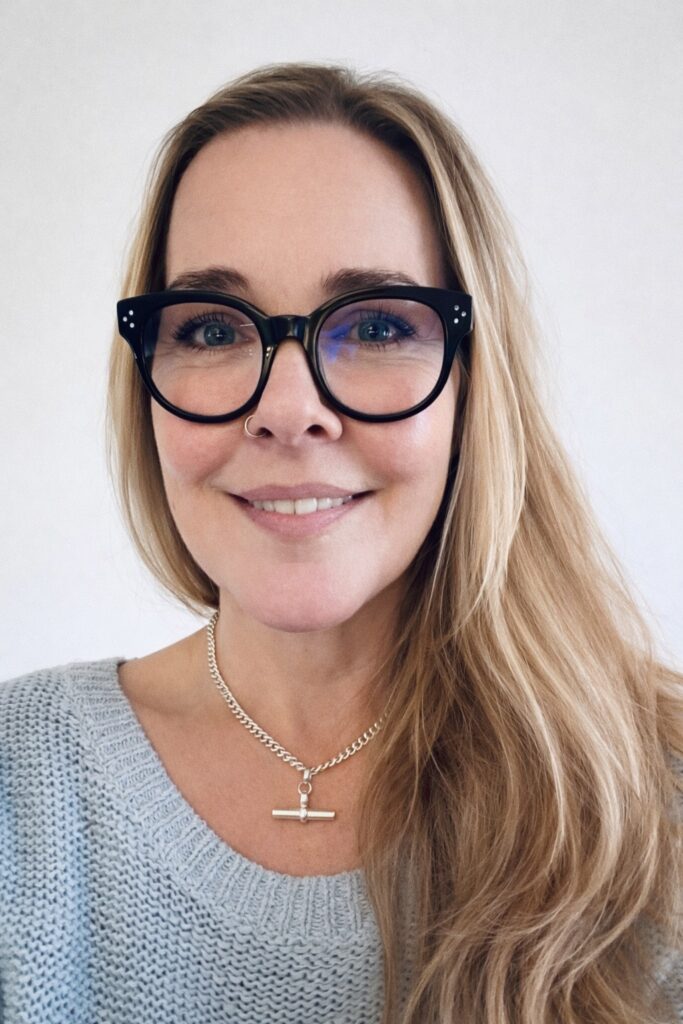
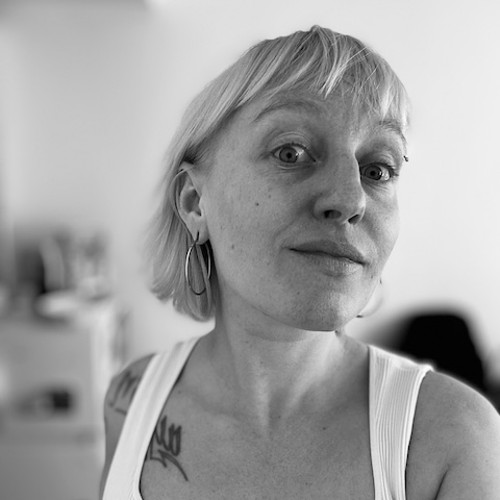
Hello and welcome! My name is Grace, and I am an HCPC-registered creative arts psychotherapist (music). I work as a psychodynamic therapist, meaning that traditional and modern approaches are woven into my practice. I am very interested in psychoanalysis – this approach heavily informs the way I work with clients, particularly neurodivergent clients. Attunement, attachment, and holding are concepts that sit at the core of my work. I have also taken a recent interest in existential psychotherapy – in particular, how finding your place in the context of the world around us may help you to find meaning. Maybe you keep finding yourself in the same painful patterns – in relationships, at work, or in how you feel about yourself – and you’re not sure why. Perhaps you’re feeling stuck, anxious, or disconnected from yourself, carrying something that’s hard to put into words. I offer a warm, reflective space to make sense of what you’re holding. My approach blends talking therapy with creative and body-based ways of working, drawing on my background in music psychotherapy – because what we carry doesn’t just live in our thoughts; it settles into our bodies too. Together, gently and at your pace, we can notice how it shows up and build steadiness from the inside out. I have particular experience supporting neurodivergent adults and children – including those with ADHD and autism – whether that’s around identity and self-acceptance, feeling like too much or not enough, or navigating a world that wasn’t quite built with you in mind. And if therapy has felt like it never quite reached the heart of things before, creative and embodied approaches can offer another way in. One example of how this might look: we may use talk therapy for most of our sessions, then arrange to meet in a more open space to try a creative approach such as music therapy, before returning to our usual work together. I have found this to be extremely effective – if it’s something you might be interested in trying, please do reach out. My creative approach reflects who I am as a person and as a therapist: open, curious, and always holding in mind both the big world around us and the earliest of personal and relational experiences.
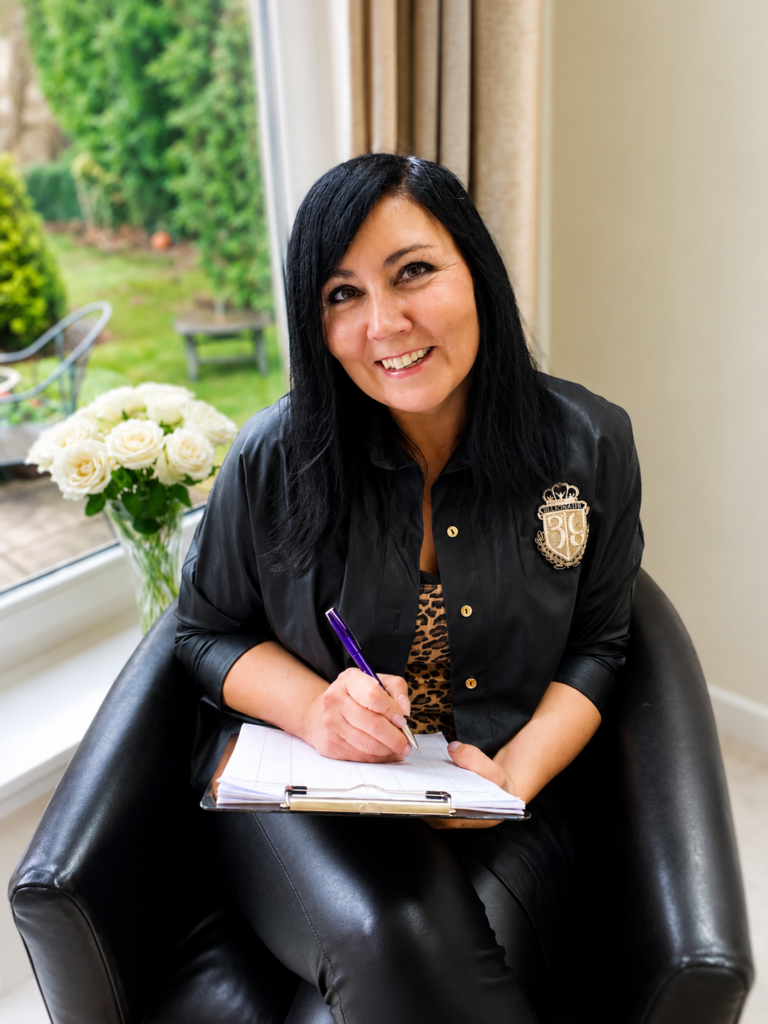
I’m a qualified counsellor/psychotherapist offering a mindful, relational approach to counselling, grounded in person-centred and humanistic values. My work is tailored to you; creating a space to explore patterns, relationships, identity, and emotional experiences at your own pace. Together, we can develop deeper self-awareness and consider what meaningful change looks like for you.