
Looking for a depression therapist in Shoreditch? This page lists qualified practitioners in and around the area who specialise in depression and low mood, offering both in-person and online sessions.
Therapy in Shoreditch
Shoreditch is a dynamic neighbourhood on the eastern edge of the City of London, within the boroughs of Hackney and Tower Hamlets. Known as the heart of London's tech and creative industries, it is also home to galleries, street art, restaurants, and a thriving independent scene. Shoreditch is well-served by Liverpool Street and Bethnal Green stations, including the Elizabeth line, Central line, and Overground.
What is depression therapy?
Depression is more than feeling low or going through a difficult patch. It is a persistent state that can affect every area of life — how you think, feel, sleep, eat, relate to others, and find meaning in your days. Common experiences include a loss of interest in things that once brought pleasure, exhaustion that rest doesn't fix, difficulty concentrating, withdrawing from people, and a pervasive sense of hopelessness.
Depression affects around one in six people at some point in their lives. It is not a character flaw or a sign of weakness — it is a condition with recognisable patterns, understood causes, and effective treatments. Talking therapy is one of the most effective interventions for depression, whether used alone or alongside medication.

Ta-You Chiu
I am a BACP-registered Integrative Psychotherapist and began exploring this profession in 2017. I have previously worked for the NHS and…
View profile
Michelle Williams
Chartered Counselling Psychologist with over 20 years of clinical experience, having originally qualified in Australia before establishing…
View profile
Justin Pryce
I am a qualified integrative counsellor with experience supporting individuals facing a range of challenges, including anxiety, depression…
View profile
Claudia Varosio
I am a trained transpersonal psychotherapist grounded in Psychosynthesis, integrating somatic therapy, attachment theory and neuroscience…
View profile
Vincent Goyon
Therapy for anxiety, relationships, shame, sexuality and identity in Shoreditch. ✦ Feeling overwhelmed, disconnected, emotionally stuck, or…
View profile
Nicola Wilkins
I am a trained person-centred therapist, with additional somatic training that informs my work with trauma and anxiety. My approach is…
View profile
Chris Bancroft
I work with individuals, couples, polycules and families of all genders, sexualities, backgrounds and neurotypes. I am a gay man and have…
View profile
James Angel
I am an attachment-based psychotherapist trained at The Bowlby Centre, where I now also teach, and I have previously worked within the NHS…
View profile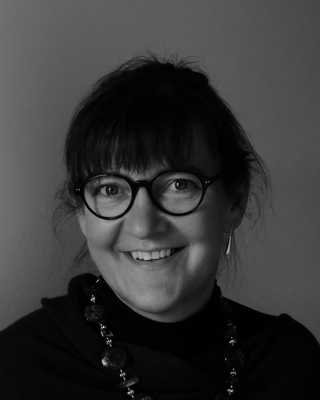
Rachel Milroy
People seek therapy when they are dissatisfied or unhappy and feel that it is possible to make changes but this is very difficult alone…
View profile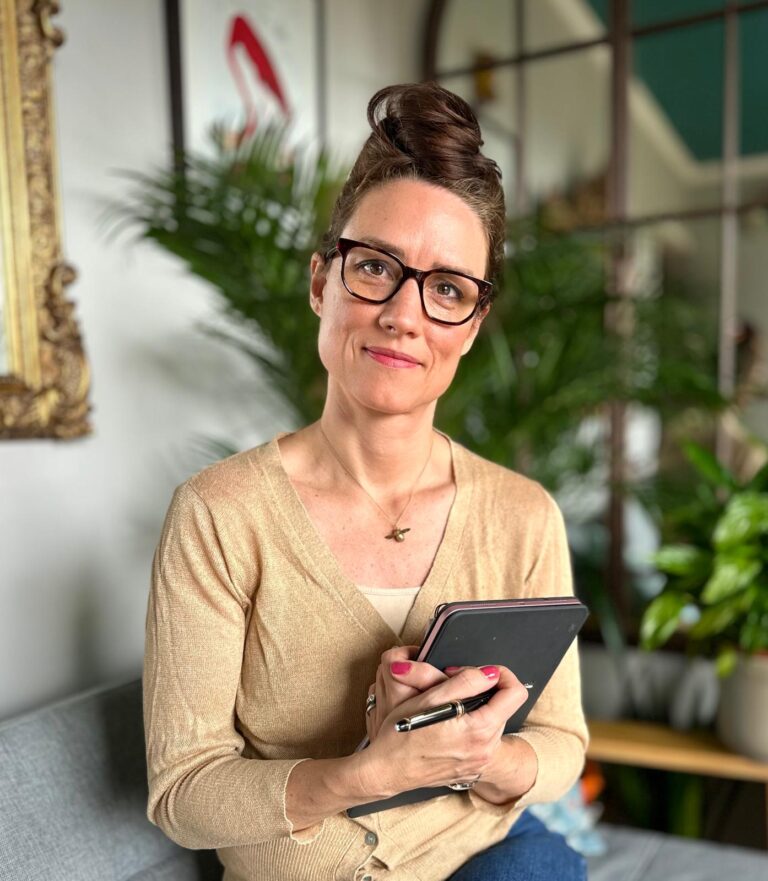
Madeleine Roantree
Life can become difficult for many reasons. You may be feeling anxious, overwhelmed, low in mood, stuck in unhelpful patterns, struggling…
View profile
Helen Damon
I offer a reflective, collaborative space where we can explore the experiences, thoughts and feelings that shape how you relate to yourself…
View profile
Paul de Bruin
In addition to my private practice, I’ve worked in various settings, including the NHS Mental Health Service, Maytree Suicide Respite…
View profileWhat to expect from depression therapy
Depression therapy begins with space to talk honestly about your experience — when it started, how it feels, what your life is like right now. Your therapist will help you understand the thoughts, feelings, and situations that contribute to your low mood, and work with you to develop more effective ways of responding to them.
CBT can be particularly useful for identifying and shifting negative thought patterns. Psychodynamic and person-centred approaches help you explore deeper emotional themes at your own pace. Many people find that therapy lifts mood, restores motivation, and changes their relationship with themselves over time. Progress can feel slow at first but tends to build meaningfully across sessions.
Frequently Asked Questions
Is therapy effective for depression?
Yes — talking therapy is one of the most well-evidenced treatments for depression. CBT, psychodynamic therapy, and interpersonal therapy all have strong research support. Many people find significant improvement within a few months of starting therapy.
Should I see a therapist or a GP first for depression?
You can do both. Your GP can assess severity and discuss whether medication might help alongside therapy. A therapist can begin the psychological work. There is no rule about which to approach first — many people do both simultaneously.
How long does depression therapy take?
A short course of CBT (8 to 16 sessions) helps many people with mild to moderate depression. Others benefit from longer-term therapy, particularly when depression is recurrent or linked to deeper emotional patterns. Your therapist will guide you on what is likely to help most.