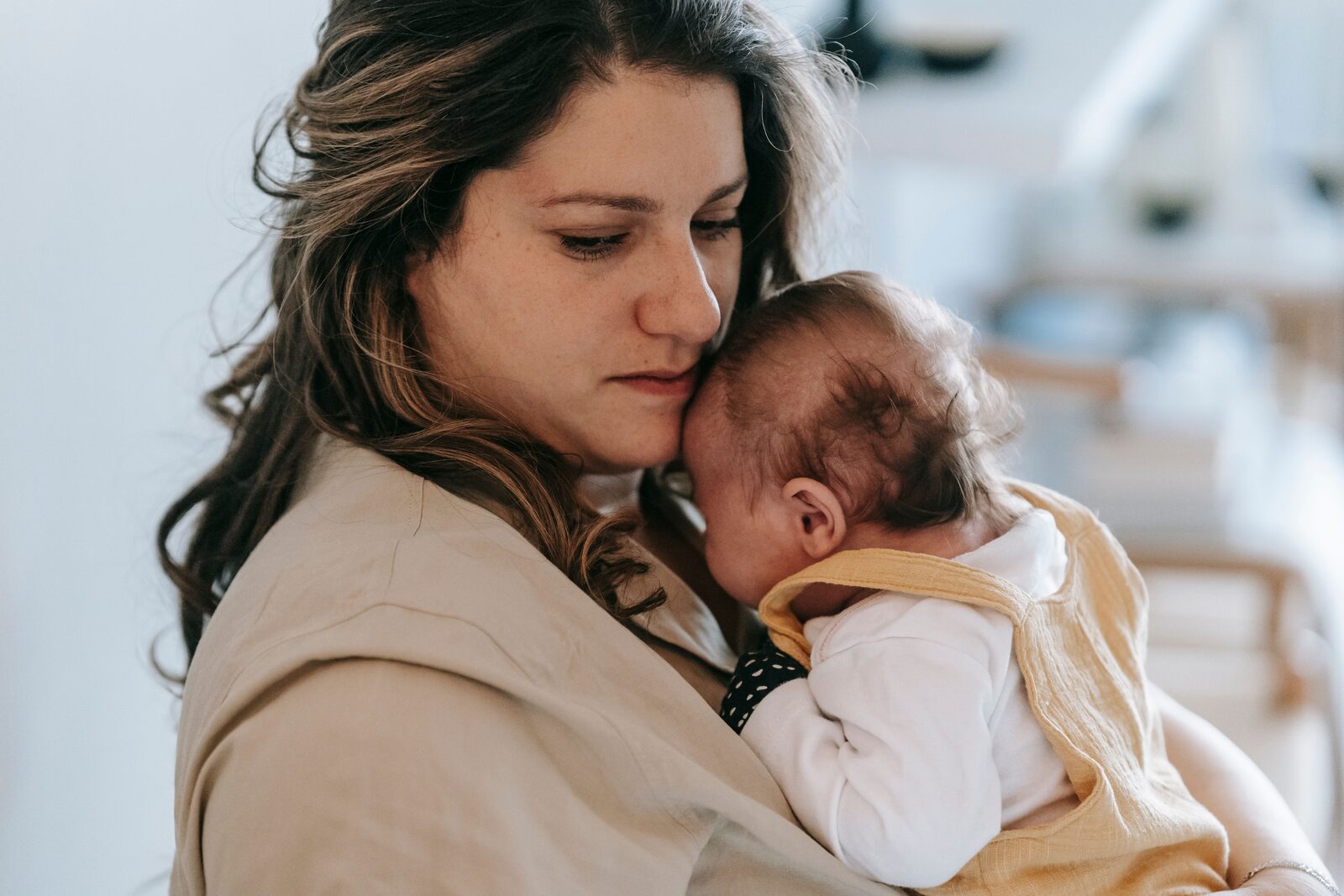


Postnatal depression therapy is not something you should need to fight to access, justify, or feel grateful for. If you are in the weeks or months after having a baby and something feels profoundly wrong — not the temporary emotional rawness that everyone warned you about, but something heavier, more pervasive, and more frightening — you deserve proper professional support, without guilt and without delay.
Postnatal depression is common. It affects roughly one in ten mothers in the UK, and a significant number of partners and fathers experience it too, though it is far less frequently recognised in them. It does not mean you do not love your baby. It does not mean you are failing. It means a serious and treatable condition has developed at one of the most demanding transitions a person can experience — and that it requires more than time and reassurance to address.
This article explains what postnatal depression therapy involves, which approaches are most effective, and how to find a counsellor or psychotherapist with genuine experience in perinatal mental health. If you are reading this in the middle of a difficult night, or in a rare quiet moment wondering whether what you are feeling is normal — it is not something you have to simply endure.
Why Postnatal Depression Is So Often Suffered in Silence
The Gap Between Expectation and Reality
One of the most painful aspects of postnatal depression is the distance between how this period is supposed to feel and how it actually does. The cultural narrative around new parenthood is saturated with images of joy, connection, and fulfilment. When what arrives instead is numbness, dread, disconnection from the baby, or a relentless internal darkness, the natural response is often shame rather than recognition that something has gone clinically wrong.
Many people experiencing postnatal depression do not initially name it as such. They tell themselves they are tired, adjusting, not coping as well as they should. The gap between what they expected to feel and what they actually feel becomes a private source of guilt that compounds the depression itself.
Why It Is So Difficult to Ask for Help
Asking for help with postnatal depression requires admitting, at least implicitly, that the experience of new parenthood is not what it should be — and in a cultural context that treats maternal instinct as self-evident and new parenthood as primarily joyful, that admission carries real social risk. Many people fear judgement, fear having their parenting questioned, or simply cannot find the words for something that feels simultaneously overwhelming and shameful.
The NHS overview of postnatal depression is unambiguous: it is a recognised medical condition, it is not the person’s fault, and it is treatable. A skilled psychotherapist working in this area will understand that without needing it explained.
The Particular Weight of the Perinatal Period
The transition to parenthood involves simultaneous biological, psychological, relational, and practical upheaval of a kind that has few equivalents in adult life. Sleep deprivation alone has well-documented effects on mood, cognition, and emotional regulation. Layered onto that are the hormonal shifts of the postpartum period, the potential impact of a difficult pregnancy or birth experience, the renegotiation of identity and relationships, and the demands of caring for a completely dependent new person.
For people with a history of depression, anxiety, or trauma, this convergence of pressures can be especially significant. Postnatal depression therapy addresses not just the current presentation but the full context within which it has arisen.
Postnatal Depression Therapy: The Approaches That Work
Cognitive Behavioural Therapy
CBT is one of the most widely evidenced approaches for postnatal depression and is recommended as a first-line psychological treatment by the NHS. It works by identifying and gently challenging the thought patterns and behavioural cycles that maintain depression — the self-critical internal voice, the withdrawal from activities that might provide relief, the catastrophic thinking about the baby’s wellbeing or one’s own adequacy as a parent.
In perinatal CBT, the therapist will understand the specific cognitive distortions that postnatal depression tends to generate. These include the belief that intrusive thoughts about the baby reflect genuine intentions or impulses, that inability to feel the expected intensity of love means something is permanently broken, or that asking for help is evidence of failure. Addressing these beliefs directly can produce meaningful relief relatively quickly.
Interpersonal Therapy
Interpersonal Therapy — IPT — has a particularly strong evidence base specifically for postnatal depression, in part because it directly addresses the relational dimension of the perinatal period. New parenthood involves significant role transition, potential grief for the life that existed before, changes in the couple relationship, and sometimes the surfacing of unresolved relational difficulties that the new context has made more acute.
IPT works with these interpersonal factors directly — not as background context but as the primary focus of the therapeutic work. For people whose postnatal depression is significantly bound up with relationship strain, role confusion, or social isolation, it often produces more targeted and durable outcomes than approaches focused primarily on symptom management.
Psychodynamic Therapy
For some people, postnatal depression connects to something older — earlier experiences of being parented, attachment histories that the experience of becoming a parent themselves has reactivated, or longstanding beliefs about self-worth and capability that the demands of new parenthood have brought sharply into focus.
Psychodynamic counselling addresses these deeper roots, working with the full history that a person brings to the experience of parenthood rather than focusing solely on the current presentation. This approach tends to be longer-term, but for people whose postnatal depression feels entangled with more complex personal history, it often reaches something that shorter-term approaches leave intact.
Mother and Baby Units and Specialist Perinatal Services
For more severe presentations of postnatal depression — particularly where there is significant risk to the person or the baby — specialist perinatal mental health services offer a level of support that outpatient therapy alone cannot provide. Mother and Baby Units allow admission for intensive treatment while keeping mother and baby together, which is clinically and relationally significant.
Access to these services is primarily through NHS referral, typically via a GP or midwife. Mind’s guidance on perinatal mental health services provides a clear account of the different levels of support available and how to access them.
Partner and Family Support Within Treatment
Postnatal depression affects the whole family system, not only the person experiencing it directly. Partners may be struggling with their own adjustment, carrying additional responsibility, and unsure how to help. Including partners in some aspects of treatment — whether through joint sessions or through psychoeducation about the condition — can significantly improve outcomes and reduce the relational strain that postnatal depression places on couples.
This does not necessarily mean couples therapy, though that may be relevant. It means acknowledging that recovery does not happen in isolation, and that the people closest to the person affected have a meaningful role in creating conditions that support it.
What to Expect in Early Sessions
The first sessions of postnatal depression therapy typically involve the therapist taking time to understand the full picture: the pregnancy, the birth experience, the current level of support available, the relationship with the baby, and the specific nature of the depression as it is being experienced. There is no correct way to present, and no level of severity below which support is unwarranted.
Many people describe the early sessions as a relief simply because they are able to say things they have not been able to say anywhere else — including things that feel too frightening, too shameful, or too contradictory to bring into everyday conversation.
What a Specialist Therapist Offers That General Support Cannot
Postnatal depression therapy is most effective when delivered by a counsellor or psychotherapist with genuine experience in perinatal mental health — not because general therapists cannot help, but because specialist practitioners bring a depth of understanding of this particular context that changes the quality of the work.
A specialist therapist will not be surprised or alarmed by intrusive thoughts about the baby, which are common in postnatal depression and OCD-spectrum presentations and which most people experience with profound shame. They will understand the particular forms that guilt and ambivalence take in the perinatal period. They will know how to work with the simultaneous demands of caring for a baby while attempting to engage with therapy — including the practical reality that sessions may be interrupted, that concentration is affected by sleep deprivation, and that the person in the room is operating under conditions that most therapeutic models do not account for.
Beyond the clinical, a skilled therapist offers a relationship in which the person behind the parent can be present — where the exhaustion, the grief, the love, the fear, and the complexity can all be held without judgement and without resolution being rushed. That experience, sustained over time, is often what begins to shift the depression in a way that information and reassurance cannot.
You Do Not Have to Feel Like This
Postnatal depression therapy works. The majority of people who receive appropriate, timely support experience significant improvement — not just in their mood, but in their relationship with their baby, their partner, and themselves. Recovery is not only possible; it is the realistic expectation when the right support is in place.
If you are struggling, our directory features verified, qualified psychotherapists and counsellors across the UK, including practitioners with specialist experience in postnatal and perinatal mental health. Each profile includes their therapeutic approach, areas of specialism, session fees, and current availability.
You sought support by reading this. The next step is reaching out to someone who can actually provide it. You deserve that, and so does your baby.
Ready to find the right support? Find a therapist now.