
If you are looking for structured, evidence-based support for anxiety, depression, or another condition, qualified CBT therapists are available locally. Browse accredited practitioners in and around Shoreditch, E1/E2.
Therapy in Shoreditch
Shoreditch is a dynamic neighbourhood on the eastern edge of the City of London, within the boroughs of Hackney and Tower Hamlets. Known as the heart of London's tech and creative industries, it is also home to galleries, street art, restaurants, and a thriving independent scene. Shoreditch is well-served by Liverpool Street and Bethnal Green stations, including the Elizabeth line, Central line, and Overground.
What is CBT therapy?
Cognitive Behavioural Therapy — CBT — is a structured, evidence-based form of therapy that focuses on the relationship between thoughts, feelings, and behaviours. The core idea is that our thoughts influence how we feel, and our feelings influence how we behave. By identifying and challenging unhelpful thought patterns, we can change how we respond to difficult situations.
CBT is one of the most extensively researched therapies in existence, with strong evidence for anxiety, depression, OCD, PTSD, phobias, eating disorders, and more. It is typically a relatively short-term therapy — often completed in 6 to 20 sessions — and is recommended by NICE (the National Institute for Health and Care Excellence) as a first-line treatment for many conditions.

Ta-You Chiu
I am a BACP-registered Integrative Psychotherapist and began exploring this profession in 2017. I have previously worked for the NHS and…
View profile
Michelle Williams
Chartered Counselling Psychologist with over 20 years of clinical experience, having originally qualified in Australia before establishing…
View profile
Justin Pryce
I am a qualified integrative counsellor with experience supporting individuals facing a range of challenges, including anxiety, depression…
View profile
Claudia Varosio
I am a trained transpersonal psychotherapist grounded in Psychosynthesis, integrating somatic therapy, attachment theory and neuroscience…
View profile
Shannon Talbot
I work with couples and individuals around relational and sexual issues. I have LGBTQAI and GSRD-specific training and am neuro-informed…
View profile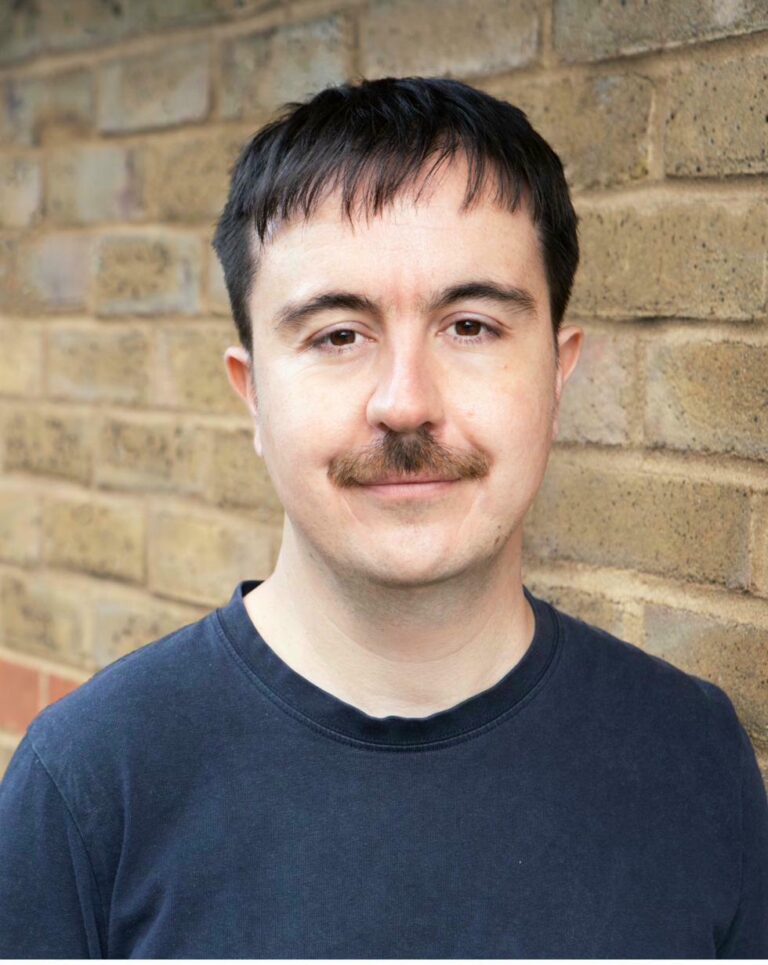
Andrew Tobert
Perhaps something needs to change, even if you can’t quite name what. I’m a relational, integrative psychotherapist in…
View profile
Vincent Goyon
Therapy for anxiety, relationships, shame, sexuality and identity in Shoreditch. ✦ Feeling overwhelmed, disconnected, emotionally stuck, or…
View profile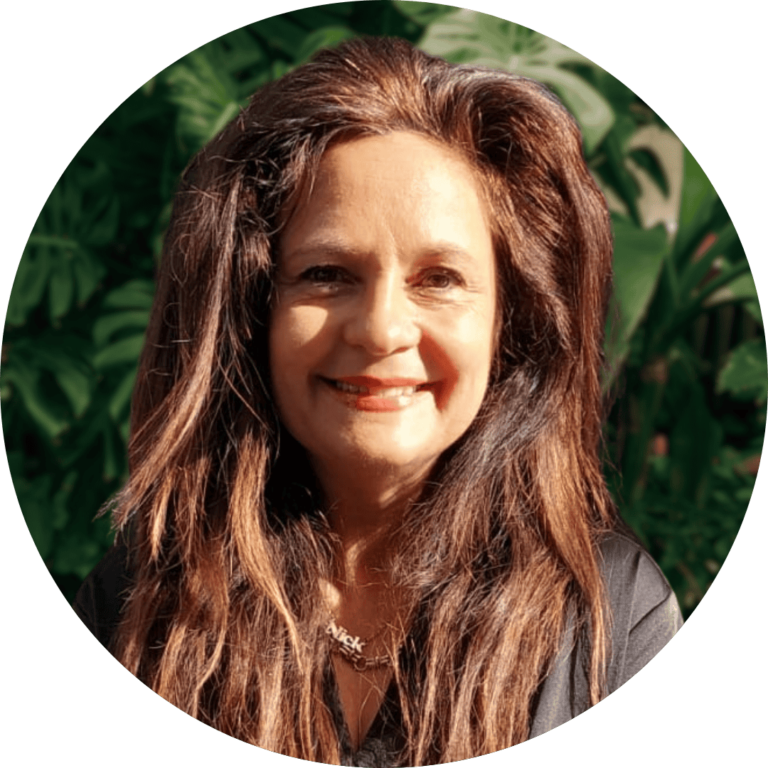
Nicola Wilkins
I am a trained person-centred therapist, with additional somatic training that informs my work with trauma and anxiety. My approach is…
View profile
Chris Bancroft
I work with individuals, couples, polycules and families of all genders, sexualities, backgrounds and neurotypes. I am a gay man and have…
View profile
James Angel
I am an attachment-based psychotherapist trained at The Bowlby Centre, where I now also teach, and I have previously worked within the NHS…
View profile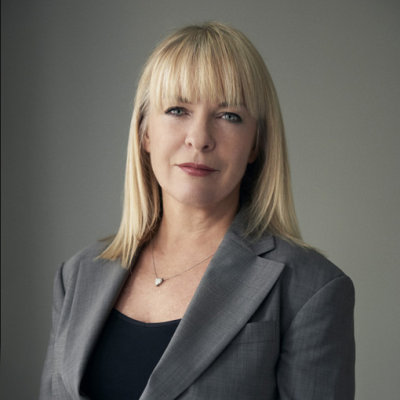
Amanda Baker
Anxious, depressed, feeling lost or stuck, struggling with unhelpful patterns in your life or relationships ? I am BACP-registered…
View profile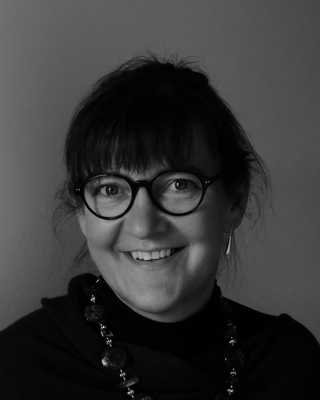
Rachel Milroy
People seek therapy when they are dissatisfied or unhappy and feel that it is possible to make changes but this is very difficult alone…
View profileWhat to expect from CBT therapy
CBT sessions are structured and goal-focused. You and your therapist will identify the specific problems you want to work on, and together explore the thoughts and behaviours connected to them. Between sessions, you will usually be given exercises or practices to try — this practical work is a core part of how CBT builds change over time.
A good CBT therapist will be practical and collaborative rather than directive. Over time, you will build a toolkit of skills for managing difficult thoughts and feelings more effectively — skills that remain useful long after therapy ends. CBT therapists accredited by the BABCP (British Association for Behavioural and Cognitive Psychotherapies) have completed rigorous specialist training.
Frequently Asked Questions
What conditions does CBT treat?
CBT has strong evidence for anxiety disorders, depression, OCD, PTSD, phobias, social anxiety, panic disorder, eating disorders, and health anxiety. It is also widely used for stress, low self-esteem, sleep difficulties, and anger management.
How is CBT different from other therapies?
CBT is more structured and present-focused than psychodynamic or psychoanalytic therapy. It focuses on current thought patterns and behaviours rather than exploring the past in depth. Both approaches have value — your therapist can help you decide which is likely to suit you best.
How many CBT sessions do I need?
NICE guidelines recommend 8 to 16 sessions for most anxiety and depression presentations. Some people find significant improvement in fewer sessions; others benefit from a longer course. Your therapist will review progress regularly and adjust accordingly.