
This directory brings together grief counsellors and bereavement therapists working in and around Herne Hill. Search by availability and session type — in person or online — to find the right support.
Therapy in Herne Hill
Herne Hill is a sought-after neighbourhood in south London, straddling the border of Lambeth and Southwark. It is known for its weekly farmers market, independent shops and cafes, and Brockwell Park — one of south London's most popular open spaces. Herne Hill sits between Brixton, East Dulwich, and Tulse Hill, and is served by train links to Victoria and Blackfriars, making it accessible from across the city.
What is bereavement therapy?
Grief is the natural response to loss. Most commonly this is the death of someone we love, but grief can also follow the end of a relationship, a miscarriage, the loss of a role or identity, or any significant change that takes away something we were counting on.
Grief does not follow a predictable path. It can be consuming and overwhelming, or it can arrive in waves — sometimes months or years after the loss. For some people, grief becomes stuck. They find they cannot move forward, or that loss has reopened earlier wounds. Bereavement therapy offers a dedicated space to grieve fully, without pressure, judgement, or a timeline.
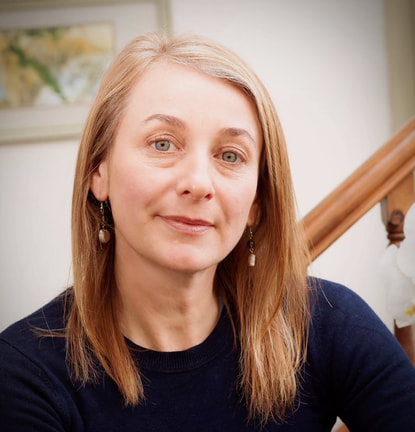
Tilly Hawkins
I am a registered counsellor and psychotherapist based in Tulse Hill, South East London, working with clients from Brixton, Herne Hill and…
View profile
Matt Reid
BACP-accredited counsellor and clinical supervisor based at Health Hub London in Herne Hill, South London, offering both in-person and…
View profile
Louise Greene
I am a professionally trained integrative counsellor and psychotherapist with over 15 years’ experience, and an Accredited Member of the…
View profile
Samuel Smith
I am a Registered Member of the British Association for Counselling and Psychotherapy (BACP) and practise in accordance with their Ethical…
View profile
Angela Risner
I am an accredited therapist with many years experience and can help with any issues you are experiencing offering support and reflection…
View profile
Dafina Ganeva
I started my psychotherapy career as a volunteer of the bereavement team in St.Christopher’s hospice.
View profile
Katherine Watt
I’m a warm, perceptive and experienced therapist, trained in the person-centred approach. Person-centred counselling offers a supportive…
View profile
Letishea McLean
Over 15 years of clinical experience including the NHS, university environments, prison services, and private practice. These experiences…
View profile
Arran Thomas
I find seeking therapy usually starts with seeds of hope. Hope for things to change, to become ‘unstuck’, to have understanding, to find…
View profile
Daisy Marsh
I am a dedicated therapist with experience in both online and face-to-face counselling. My focus lies in offering personalised support and…
View profile
Daniel Armitage
Qualified Integrative Counsellor and Psychotherapist offering individual therapy for adults online and in person in Peckham. Works from a…
View profile
Dominique Frater
I am an integrative counsellor and a member of the BACP, with a Diploma in Therapeutic Counselling and experience working within the NHS…
View profileWhat to expect from bereavement therapy
Bereavement therapy is led entirely by your pace and your experience of loss. Your therapist is not there to move you through stages of grief or tell you what to feel — they are there to sit with you in it, help you make sense of your experience, and support you in finding a way to carry what has happened.
Some people need only a handful of sessions; others benefit from longer-term support, particularly when the loss is complex, unexpected, or traumatic, or when grief has reopened earlier wounds. Therapy can also be helpful for those supporting a grieving partner, parent, or child, and for people who feel they should be over it by now but aren't.
Frequently Asked Questions
How long after a bereavement should I wait before starting therapy?
There is no right answer. Some people find it helpful to start therapy soon after a loss, to have a supported space during the acute phase. Others come to therapy months or years later. The most important thing is that you access support when you feel ready.
Is grief therapy different from regular therapy?
Not fundamentally — good therapy always makes space for loss. However, a therapist experienced in bereavement will understand the specific dimensions of grief: the physical responses, the non-linear nature, the complicated feelings that often accompany loss, including relief, guilt, or anger.
Can grief therapy help with complicated grief?
Yes — prolonged grief disorder (sometimes called complicated grief) is a recognised condition in which grief does not ease over time and significantly impairs daily functioning. Specialist bereavement therapy can be very effective in these cases.