
This directory brings together relationship counsellors and therapists working in and around Peckham. Search by approach, availability, and session type to find the right practitioner.
Therapy in Peckham
Peckham is a vibrant, diverse neighbourhood in south-east London, part of the Borough of Southwark. Once overlooked, it has become one of the most culturally rich areas of the city — known for its markets, arts scene, and independent businesses. Peckham is well connected by Overground and bus, making it easy to reach from neighbouring areas including Camberwell, Nunhead, and East Dulwich.
What is relationship therapy?
Relationship difficulties are one of the most common reasons people seek therapy — whether they come alone or with a partner. They can range from recurring arguments and communication breakdowns to emotional distance, trust issues, or the lingering effects of an affair or betrayal.
Sometimes there is no dramatic event — just a gradual growing apart, or a persistent sense that real connection has been lost. Individual therapy for relationship issues can be just as valuable as couples therapy — it helps you understand your own patterns, what you bring to relationships, and what you genuinely need.

Nicholas Owens
I practise psychodynamic psychotherapy, exploring patterns in thoughts, feelings and relationships, and the unconscious processes that…
View profile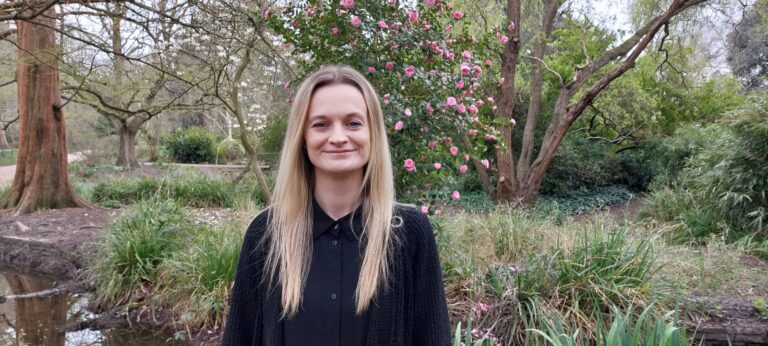
Karis Hanson
Hello, I’m Karis, an integrative counsellor and psychotherapist. I work collaboratively with each client to tailor my approach to your…
View profile
Adijat Eniola Fetuga
My approach to therapy is collaborative, direct, and goal-oriented. I believe in empowering clients to take an active role in their…
View profile
Arran Thomas
I find seeking therapy usually starts with seeds of hope. Hope for things to change, to become ‘unstuck’, to have understanding, to find…
View profile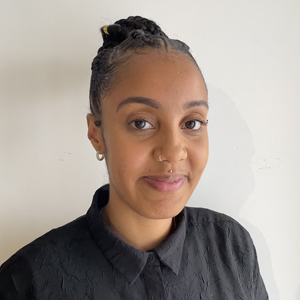
Dominique Frater
I am an integrative counsellor and a member of the BACP, with a Diploma in Therapeutic Counselling and experience working within the NHS…
View profile
Helen Osgerby
I am a fully qualified integrative counsellor and a registered member of the BACP, working within its ethical framework. I offer a safe…
View profile
Lisa Romanova
I utilise evidence-based strategies, including CBT, attachment theory and EFT (Emotionally Focused Therapy) principles, to guide clients…
View profile
Luisa Kos
I am a psychodynamic psychotherapist trained at WPF and Tavistock Relationships, and a registered member of the BACP. Since qualifying in…
View profile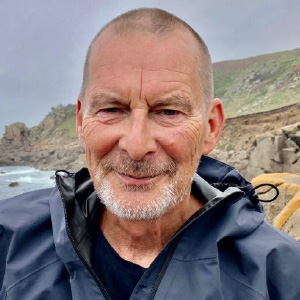
Matt Beale-Collins
I am a registered member of the BACP and work in line with its Ethical Framework. I have experience mentoring young adults excluded from…
View profile
Millie Gentle
I’ve worked as a counsellor for over 10 years, working in private practice, for charities and EAPs. I’ve been in private…
View profile
Peter Reynolds
I hold an Advanced Diploma in Integrative Counselling. My training draws on a range of therapeutic approaches, which allows me to adapt my…
View profile
Richard Bennett
I am a qualified integrative therapist offering a warm, non-judgemental space where you can explore whatever brings you to therapy and move…
View profileWhat to expect from relationship therapy
Relationship therapy — whether individual or with a partner — typically begins with an exploration of current patterns: what tends to happen, how each person responds, and what has been tried so far. From there, the work goes deeper: exploring early attachment experiences, the models of relationship formed in childhood, and the hopes and fears that shape behaviour in intimate relationships.
Attachment-based approaches, psychodynamic therapy, and emotionally focused therapy are all commonly used. Progress in relationship therapy often feels non-linear — things sometimes feel harder before they feel better, as honest communication replaces silence or avoidance.
Frequently Asked Questions
Should I do individual or couples therapy for relationship issues?
Both are valuable. Individual therapy helps you understand your own patterns, what you bring to relationships, and what you need. Couples therapy brings both partners into a supported dialogue. Many people do individual therapy first, then couples therapy, or both simultaneously with different therapists.
Can therapy help after an affair?
Yes — therapy can be enormously helpful after a betrayal, whether the aim is to rebuild the relationship or to process what has happened and find a way forward. Both couples therapy and individual therapy are useful. Rebuilding trust takes time, but many couples do recover from affairs with the right support.
What if my partner refuses to come to therapy?
You can still benefit significantly from individual therapy. Understanding your own patterns and needs is valuable regardless of whether your partner is involved. Individual therapy may also help you decide what you want, and sometimes partners become open to joining later.