
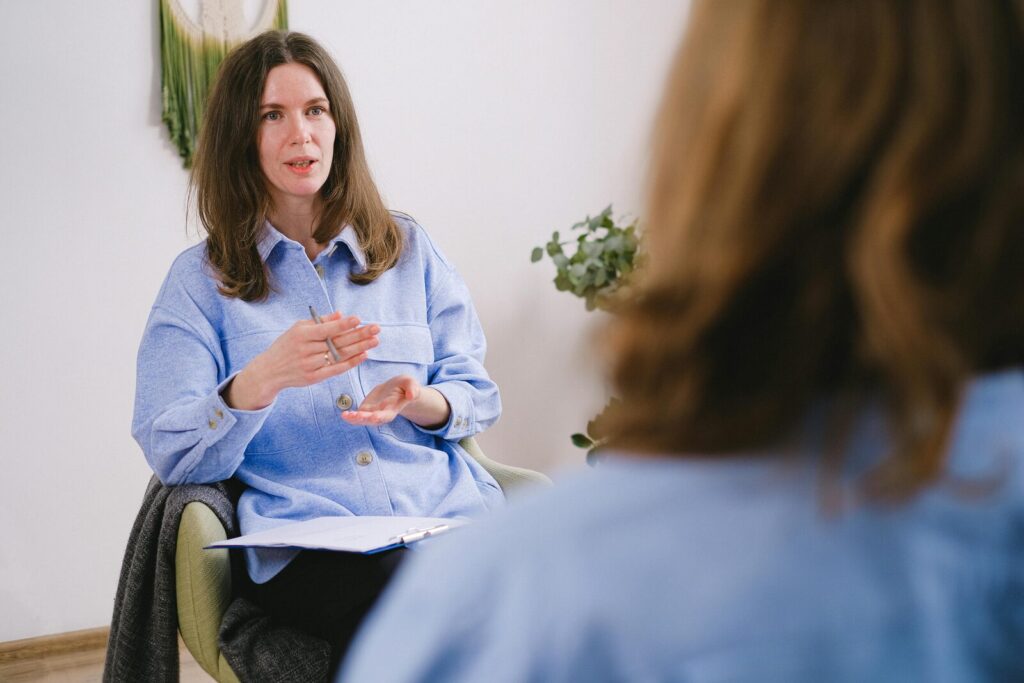


Person-Centred Counselling Explained
Person-centred counselling is one of the most widely practised forms of therapy in the UK, built on a simple but profound idea: that every person has within them the capacity to grow, heal, and find their own answers, given the right conditions. If you have ever felt unheard, judged, or reduced to a list of symptoms, this approach offers something distinctly different. It places you, not a diagnosis or a technique, at the heart of the therapeutic process.
Developed by American psychologist Carl Rogers in the mid-twentieth century, person-centred counselling rests on the belief that a warm, non-judgmental relationship between counsellor and client is not just helpful but is itself the agent of change. It is an approach that has stood the test of time precisely because it treats people as whole human beings rather than problems to be solved.
Whether you are considering therapy for the first time or returning after a difficult experience elsewhere, understanding what person-centred counselling involves can help you make a more informed and confident choice about your care.
Why So Many People Feel Unheard Before They Seek Counselling
The Pressure to Present Well
Modern life in the UK asks a great deal of people. The expectation to manage work, relationships, finances, and personal wellbeing simultaneously, without complaint, is not spoken aloud but is felt everywhere. Many people spend years minimising their own distress, telling themselves they should be coping, or that others have it worse. By the time they seek support from a counsellor or psychotherapist, they have often been carrying their difficulties in silence for a long time.
The result is that the prospect of talking to a professional can feel exposing. There is a fear of being assessed, categorised, or told what to do. For many people, previous experiences of not being truly listened to, whether by a GP under time pressure, a well-meaning friend, or even an earlier therapist, have left them cautious about trying again.
When Advice Is Not What You Need
There is a particular kind of exhaustion that comes from being given solutions to problems that have not yet been properly heard. Well-intentioned advice, however thoughtful, can leave people feeling more alone than before. What many people actually need is space: space to speak without being redirected, space to feel without being managed, and space to arrive at their own understanding in their own time.
This is precisely the gap that person-centred counselling was designed to fill. It is not about telling people what to do or think. It is about creating the conditions in which people can begin to trust themselves again.
The Cultural Complexity of Asking for Help
Across the UK’s richly diverse communities, attitudes towards mental health and therapy vary considerably. For many people, seeking counselling carries cultural or familial weight, a sense that it represents weakness, disloyalty, or an admission of failure. The non-directive, non-judgmental nature of person-centred counselling makes it particularly well suited to people who have felt that more prescriptive approaches did not reflect their values or lived experience.
How Person-Centred Counselling Works in Practice
The Three Core Conditions
Carl Rogers identified three conditions that he considered essential for therapeutic growth to occur. These are unconditional positive regard, empathic understanding, and congruence. Together, they form the philosophical and practical foundation of person-centred counselling, and they are what distinguishes it from more directive or technique-led approaches to therapy in the UK.
Unconditional positive regard means that your counsellor accepts you fully, without judgement, regardless of what you share. There is no behaviour, thought, or feeling that will cause them to withdraw their care or approval. For many people, this is an experience they have rarely, if ever, encountered before, and it can be quietly transformative.
Empathic Understanding
A person-centred counsellor works to understand your experience from the inside, not as an observer assessing you from a professional distance, but as someone genuinely trying to grasp what it feels like to be you. This is not the same as sympathy. Empathic understanding means entering your frame of reference and reflecting it back accurately, so that you feel genuinely known rather than merely listened to.
This quality of being truly heard often produces something unexpected in clients: a sense of relief so deep it can bring tears. Many people describe it as the first time they have felt fully seen by another person. That experience alone begins to shift something in how they relate to themselves.
Congruence and the Authentic Therapist
Congruence refers to the counsellor’s own authenticity within the therapeutic relationship. A person-centred psychotherapist does not hide behind a professional mask or adopt a detached clinical manner. They are genuinely present, willing to share their own responses where appropriate, and honest in their engagement. This realness creates a relationship that feels human rather than transactional, and it is central to why the approach works.
What Sessions Actually Look Like
In a person-centred counselling session, you lead. There is no agenda imposed by the therapist, no worksheets to complete, and no prescribed sequence of topics to work through. You bring whatever is present for you that day, whether a specific event, a feeling you cannot name, or simply a heaviness you cannot explain. Your counsellor follows your lead, reflecting, questioning gently, and helping you go deeper into your own experience.
This can feel unfamiliar at first, particularly if you were expecting to be given tools or strategies. Some people find the openness of the space freeing immediately. Others need a little time to settle into it. A skilled private therapist will hold the space patiently while you find your footing.
What Person-Centred Counselling Is Used For
Person-centred counselling is used for a wide range of difficulties, including depression, anxiety, grief, relationship problems, low self-esteem, and trauma. It is not condition-specific in the way some other modalities are. Because it focuses on the person rather than the presenting problem, it tends to reach the underlying emotional material rather than addressing surface symptoms alone.
You can search for counsellors and psychotherapists who specialise in this approach through The Therapist Finder, where every profile is verified and includes information on specialisms, fees, and current availability. The Royal College of Psychiatrists also provides a clear overview of the approach for anyone wanting to read further before making a decision.
Why Working With a Qualified Psychotherapist Makes the Difference
Understanding person-centred counselling as a concept is one thing. Experiencing it in practice with a skilled, qualified psychotherapist is something else entirely. The relationship between client and counsellor is not incidental to this approach. It is the approach. The quality of that relationship, the consistency of the warmth, the depth of the empathy, and the authenticity of the therapist, is what determines how much growth becomes possible.
A well-trained person-centred counsellor will also know when and how to deepen the work. They will recognise when you are circling something important and create the space for you to approach it in your own time, without pressure. The mental health charity Mind offers accessible information on what to expect from person-centred therapy for those who want further reassurance before taking the first step.
Therapy in the UK is increasingly accessible through both NHS referral and private practice. For those who want to begin sooner rather than later, working with a private therapist means shorter waiting times and the ability to choose someone whose background and approach genuinely fits your needs.
Frequently Asked Questions About Person-Centred Counselling
Is person-centred counselling suitable for depression and anxiety?
Yes. Person-centred counselling is widely used for both depression and anxiety, as well as many other difficulties. Because it focuses on the whole person rather than specific symptoms, it is particularly effective for people whose distress has multiple or unclear causes. Research consistently supports its effectiveness across a broad range of mental health concerns.
How is person-centred counselling different from CBT?
Cognitive behavioural therapy is structured, goal-focused, and teaches specific techniques for managing thoughts and behaviours. Person-centred counselling is non-directive and does not involve homework, worksheets, or set exercises. The two approaches suit different people and different difficulties, and some counsellors are trained in both. If you are unsure which might suit you, discussing this with a therapist before committing is entirely reasonable.
How many sessions of person-centred counselling will I need?
The number of sessions varies depending on the individual and what they bring to therapy. Some people find significant relief and clarity within six to twelve sessions. Others choose to continue for longer, particularly when working through deep-seated patterns or long-standing difficulties. Your counsellor will review progress with you regularly and there is no obligation to commit to a fixed number at the outset.
Conclusion
Person-centred counselling offers something that many people in the UK are quietly searching for: a space where they do not have to perform, manage, or explain themselves away. A space where they are accepted as they are, and trusted to find their own way forward with skilled, compassionate support alongside them.
If what you have read here resonates, whether you are dealing with anxiety, a difficult period in your life, or a long-standing sense of not quite being yourself, taking the step of finding a counsellor trained in this approach could be one of the most considered decisions you make for your own wellbeing.
Browse The Therapist Finder to find a verified psychotherapist or counsellor who specialises in person-centred counselling. Every profile includes specialisms, fees, and availability, so you can find the right match with confidence and clarity.
Ready to find the right support? Find a therapist now.