
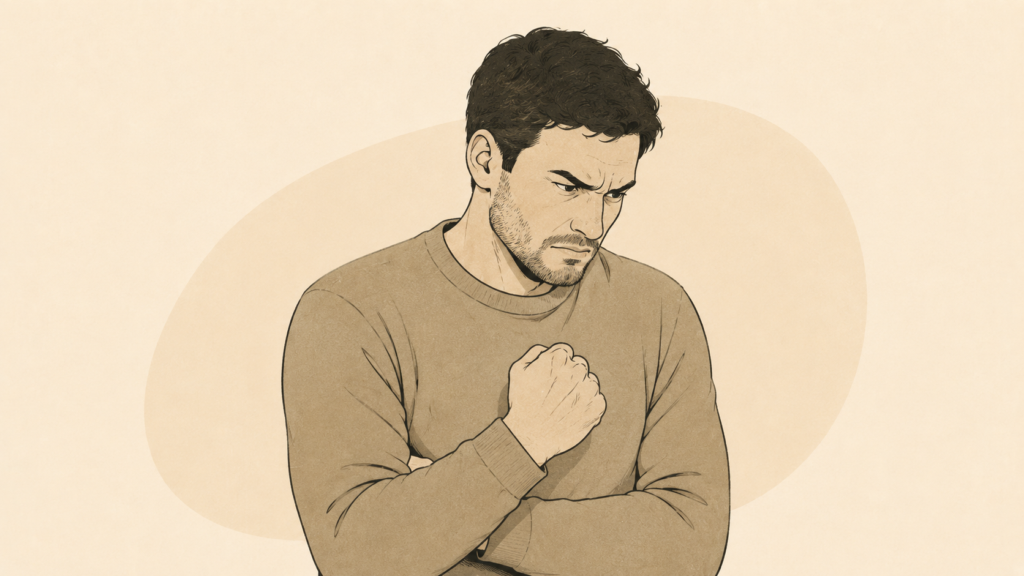


ADHD and Anger in Men: Understanding the Link
Attention Deficit Hyperactivity Disorder, usually known as ADHD, is often associated with inattention, impulsivity and restlessness. But for many men, one of the most difficult and less talked about parts of ADHD is anger.
This does not mean that men with ADHD are angry all the time, or that ADHD excuses aggressive or hurtful behaviour. But ADHD can make emotional regulation harder. Frustration can build quickly, reactions can feel sudden, and it may take longer to calm down once anger has been triggered.
Understanding the link between ADHD and anger can help men, partners and families make sense of what is happening and find better ways to respond. If you are unsure whether ADHD may be affecting you, the NHS guide to adult ADHD is a useful place to start.
How ADHD Can Affect Anger in Men
ADHD affects more than attention. It can also affect impulse control, emotional regulation, stress tolerance, organisation and the ability to pause before reacting. In everyday life, this can make anger feel harder to manage.
Some men with ADHD describe going from calm to furious very quickly. Others feel constantly irritable, especially when they are tired, overwhelmed, overstimulated or under pressure. This can affect work, family life, friendships and romantic relationships.
For some men, anger is not the first feeling. It may sit on top of shame, anxiety, frustration or feeling criticised. A small comment from a partner, colleague or family member can quickly feel like proof that they are failing again.
Why ADHD Can Make Anger Harder to Manage
Impulsivity
ADHD can make it harder to pause before speaking or acting. This means a man may snap, interrupt, raise his voice or say something cutting before he has had time to think it through.
Afterwards, he may feel regret or shame, but by then the damage may already have been done. This is one reason it is important to build in practical pauses before anger escalates.
Emotional dysregulation
Many adults with ADHD struggle to regulate strong feelings. Emotions can arrive quickly and intensely, and it can be hard to bring them down once they have taken hold.
This may look like overreacting to small frustrations, feeling unable to let something go, or needing much longer than others to feel calm again.
Frustration with ADHD symptoms
Forgetfulness, disorganisation, lateness, unfinished tasks and difficulty managing time can be exhausting. When these problems happen repeatedly, they can lead to frustration and self-criticism.
If a man already feels ashamed of these difficulties, even a simple reminder can feel like an attack. Anger can then become a defence against feeling inadequate, exposed or criticised.
Overstimulation
Noise, mess, screens, too many demands, crowded spaces or several tasks happening at once can feel overwhelming for some people with ADHD.
When the nervous system is overloaded, patience can drop very quickly. What looks like anger may partly be a sign that the person has reached the limit of what they can process in that moment.
Signs That Anger May Be Linked to ADHD
Anger can have many causes, and ADHD is only one possibility. But ADHD may be playing a part if anger is linked to patterns such as:
- frequent irritability, especially when stressed or overwhelmed
- sudden outbursts over relatively small triggers
- difficulty calming down after becoming angry
- strong reactions to criticism, reminders or perceived rejection
- frustration with disorganisation, lateness or unfinished tasks
- regret or shame after an angry reaction
- conflict with partners, family members or colleagues because of tone, impatience or emotional intensity
If anger ever becomes threatening, intimidating, violent or abusive, it is important to take that seriously. ADHD may help explain emotional difficulty, but it does not make unsafe behaviour acceptable. Mind has helpful information on understanding and managing anger, including when to seek support.
How ADHD-Related Anger Can Affect Relationships
Anger linked to ADHD can place a real strain on relationships. Partners may feel as if they have to walk on eggshells. They may become anxious about raising ordinary issues, because they fear the reaction that might follow.
At the same time, the man with ADHD may feel constantly criticised, misunderstood or treated like a problem. This can create a cycle where one partner raises an issue, the other reacts defensively, and both end up feeling hurt and alone.
Over time, this can affect trust, intimacy and emotional safety. The couple may stop talking honestly, or they may only talk when things have already reached boiling point.
Couples therapy can help both partners understand the pattern between them, rather than simply blaming one person. You can search for therapists who work with ADHD, anger and relationship difficulties on The Therapist Finder.
Practical Ways to Manage Anger When You Have ADHD
Notice the early warning signs
Anger often has physical signs before it becomes an outburst. These might include a tight chest, clenched jaw, heat in the face, faster breathing, restlessness or an urge to interrupt.
Learning to notice these signs earlier gives you a better chance of pausing before things escalate.
Use a time-out before the argument gets worse
A time-out can be very helpful, but only if it is agreed properly. It should not be used to punish, disappear or avoid the conversation entirely.
A useful version might sound like: “I am getting too wound up to talk properly. I need twenty minutes, and then I will come back.”
The coming back matters. Without that, the time-out can feel like abandonment or avoidance to the other person.
Reduce overstimulation where possible
If anger often appears at particular times, such as after work, during the school run, late at night or when several things are happening at once, it may help to reduce the load around those moments.
This might mean fewer conversations while multitasking, taking ten minutes alone after work, reducing background noise, or agreeing not to discuss difficult topics when either person is already exhausted.
Get things out of your head and into a system
For many adults with ADHD, trying to hold everything in mind creates stress and irritability. Shared calendars, reminders, written lists and regular check-ins can reduce pressure.
This is not about becoming perfectly organised. It is about reducing the number of moments where forgetfulness, panic or last-minute pressure turns into conflict.
Exercise and movement
Regular movement can help many people manage stress, restlessness and emotional intensity. This does not have to mean a strict gym routine. Walking, running, cycling, swimming or strength training can all help release tension and improve mood.
The key is consistency, not perfection.
Seek therapy or ADHD-informed support
Therapy can help men understand what triggers their anger, what sits underneath it, and how to respond differently. CBT can be useful for some adults with ADHD, especially around thought patterns, habits and emotional regulation. Psychodynamic therapy may also help when anger is connected to shame, criticism, early experiences or relationship patterns.
If ADHD is affecting your relationship, couples therapy can give both partners a place to speak more honestly and understand the cycle they are caught in.
You can also find ADHD information and support through ADHD UK and ADDISS, the National Attention Deficit Disorder Information and Support Service.
Speak to your GP about assessment or treatment
If you think you may have ADHD and have not been assessed, speak to your GP. They can talk through referral options and local pathways. The NHS also has information on treatment for adult ADHD, including medication and psychological support.
Medication is not the right route for everyone, but for some people it can make a significant difference to attention, impulsivity and emotional regulation. Any decision about medication should be made with a qualified healthcare professional.
Anger Is Not the Whole Story
It is important not to reduce men with ADHD to anger or conflict. Many men with ADHD are thoughtful, sensitive, creative and deeply committed to the people they love.
The problem is often not a lack of care. It is that emotional reactions can move faster than reflection. With the right support, it is possible to build more space between feeling something and acting on it.
Final Thoughts
ADHD can make anger harder to manage, especially when stress, shame, impulsivity and overstimulation are part of the picture. But anger does not have to keep damaging relationships, work or family life.
Learning to recognise triggers, taking responsibility for reactions, using practical systems and seeking professional support can make a real difference.
If you are a man struggling with ADHD and anger, or if ADHD-related anger is affecting your relationship, speaking to a therapist can help. Browse ADHD-informed therapists on The Therapist Finder and find someone who can support you with emotional regulation, anger and relationships.
fulfilling lives.
If you’re a man struggling with ADHD and anger, speaking to a therapist can make a real difference. Browse therapists who specialise in ADHD and emotional regulation on The Therapist Finder.
For individual therapy focused on anger, you can browse anger management therapists in London on the directory.