
East Dulwich is home to a number of accredited therapists offering depression therapy. Browse practitioners below by approach, including CBT, psychodynamic, and person-centred therapy, and find the right fit.
Therapy in East Dulwich
East Dulwich is a leafy residential neighbourhood in south-east London, known for its independent cafes, Lordship Lane, and strong community feel. It sits within the London Borough of Southwark and draws a mix of young families, professionals, and long-term residents. The area is well-served by buses and is close to Peckham Rye and East Dulwich stations, making it accessible from across south London.
What is depression therapy?
Depression is more than feeling low or going through a difficult patch. It is a persistent state that can affect every area of life, how you think, feel, sleep, eat, relate to others, and find meaning in your days. Common experiences include a loss of interest in things that once brought pleasure, exhaustion that rest doesn’t fix, difficulty concentrating, withdrawing from people, and a pervasive sense of hopelessness.
Depression affects around one in six people at some point in their lives. It is not a character flaw or a sign of weakness, it is a condition with recognisable patterns, understood causes, and effective treatments. Talking therapy is one of the most effective interventions for depression, whether used alone or alongside medication.

Samuel Smith
I am a Registered Member of the British Association for Counselling and Psychotherapy (BACP) and practise in accordance with their Ethical…
View profile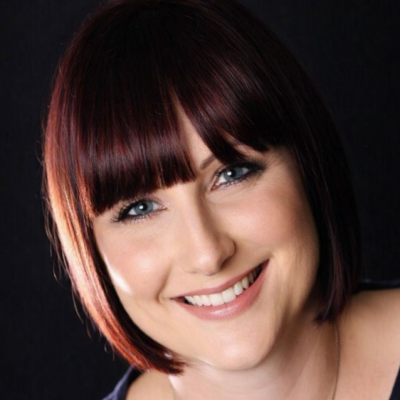
Louise Greene
I am a professionally trained integrative counsellor and psychotherapist with over 15 years’ experience, and an Accredited Member of the…
View profile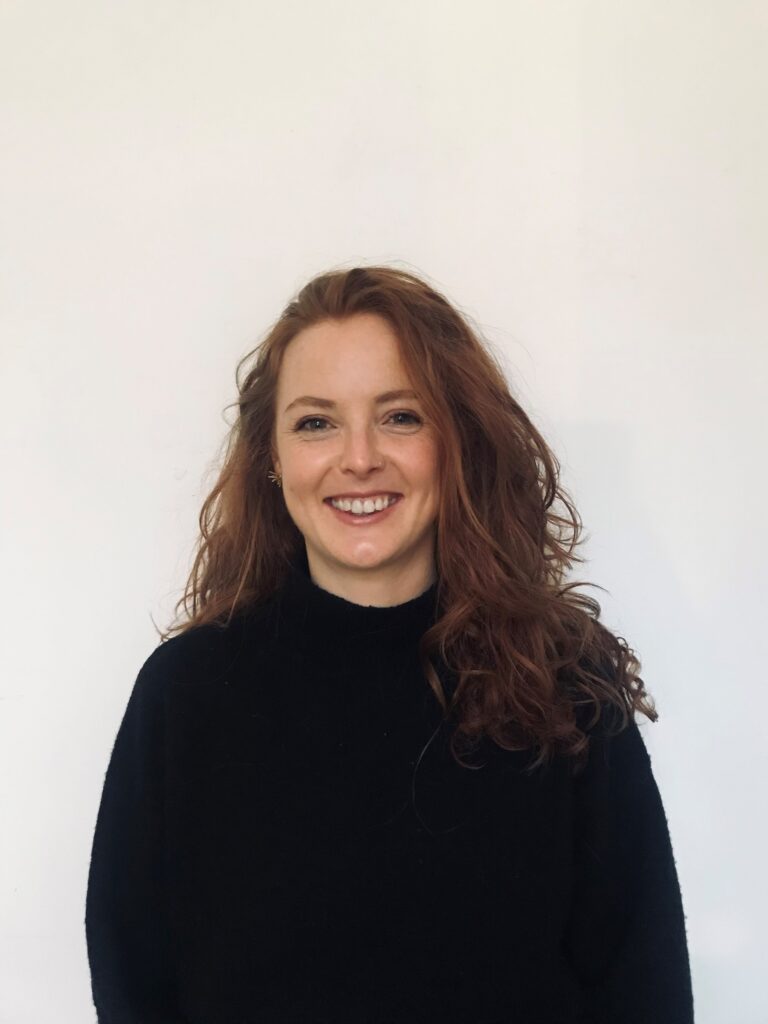
Eliza Preston
I have seven years of experience as a psychotherapist, having worked in a number of NHS services in London, in a university counselling…
View profile
Lucie Nalletamby
I am a Clinical Psychologist with over a decade of experience working in the NHS and private practice. I have worked in the NHS since 2011…
View profile
Caroline Brown
With a background in psychodynamic, person-centred, and mindfulness-based therapies, I specialise in supporting adults who are navigating…
View profile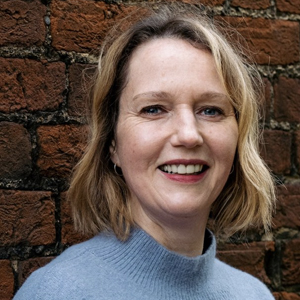
Katherine Watt
I’m a warm, perceptive and experienced therapist, trained in the person-centred approach. Person-centred counselling offers a supportive…
View profile
Adijat Eniola Fetuga
My approach to therapy is collaborative, direct, and goal-oriented. I believe in empowering clients to take an active role in their…
View profile
Arran Thomas
I find seeking therapy usually starts with seeds of hope. Hope for things to change, to become ‘unstuck’, to have understanding, to find…
View profile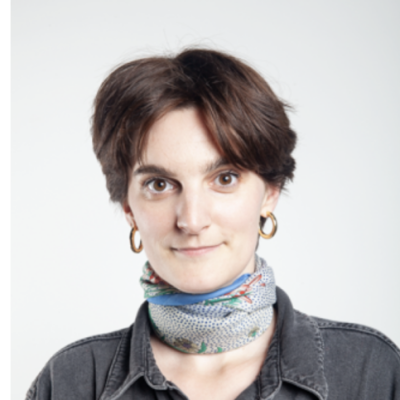
Daisy Marsh
I am a dedicated therapist with experience in both online and face-to-face counselling. My focus lies in offering personalised support and…
View profile
Daniel Armitage
Qualified Integrative Counsellor and Psychotherapist offering individual therapy for adults online and in person in Peckham. Works from a…
View profile
Dominique Frater
I am an integrative counsellor and a member of the BACP, with a Diploma in Therapeutic Counselling and experience working within the NHS…
View profile
Helen Osgerby
I am a fully qualified integrative counsellor and a registered member of the BACP, working within its ethical framework. I offer a safe…
View profileWhat to expect from depression therapy
Depression therapy begins with space to talk honestly about your experience, when it started, how it feels, what your life is like right now. Your therapist will help you understand the thoughts, feelings, and situations that contribute to your low mood, and work with you to develop more effective ways of responding to them.
CBT can be particularly useful for identifying and shifting negative thought patterns. Psychodynamic and person-centred approaches help you explore deeper emotional themes at your own pace. Many people find that therapy lifts mood, restores motivation, and changes their relationship with themselves over time. Progress can feel slow at first but tends to build meaningfully across sessions.
Frequently Asked Questions
Is therapy effective for depression?
Yes, talking therapy is one of the most well-evidenced treatments for depression. CBT, psychodynamic therapy, and interpersonal therapy all have strong research support. Many people find significant improvement within a few months of starting therapy.
Should I see a therapist or a GP first for depression?
You can do both. Your GP can assess severity and discuss whether medication might help alongside therapy. A therapist can begin the psychological work. There is no rule about which to approach first, many people do both simultaneously.
How long does depression therapy take?
A short course of CBT (8 to 16 sessions) helps many people with mild to moderate depression. Others benefit from longer-term therapy, particularly when depression is recurrent or linked to deeper emotional patterns. Your therapist will guide you on what is likely to help most.
How much does seeing a depression therapist in East Dulwich cost?
Private therapy in London typically ranges from around £50 to £100 per session. Each therapist sets their own fee depending on experience and training, and some keep a few lower-cost places. Profiles on The Therapist Finder show current fees, so there are no surprises when you get in touch. Our UK therapy cost breakdown sets out median fees by therapist type and region.
Are online sessions an option for depression therapy?
Yes. Many therapists working in East Dulwich offer online sessions alongside in-person appointments. On difficult days, meeting online can make the difference between attending and cancelling. In-person sessions suit people who value a separate, quiet space. Many people mix the two.
What type of therapy should I choose for depression?
There is no single right answer. CBT is well evidenced and practical. Psychodynamic therapy looks at the deeper patterns behind low mood, which helps when depression keeps returning. If you are unsure, mention it at a first session. A good therapist will talk through what fits your situation.