
Depression therapy in South London is offered by qualified practitioners trained in evidence-based approaches including CBT, psychodynamic therapy, and interpersonal therapy. Browse accredited therapists below.
Therapy in South London
South London is a broad, diverse area encompassing neighbourhoods including Brixton, Peckham, East Dulwich, Clapham, Streatham, Lewisham, Greenwich, and many more. It is home to a wide range of communities and has seen significant growth in independent businesses, arts, and culture in recent years. Therapy seekers across south London can access practitioners locally or online.
What is depression therapy?
Depression is more than feeling low or going through a difficult patch. It is a persistent state that can affect every area of life, how you think, feel, sleep, eat, relate to others, and find meaning in your days. Common experiences include a loss of interest in things that once brought pleasure, exhaustion that rest doesn’t fix, difficulty concentrating, withdrawing from people, and a pervasive sense of hopelessness.
Depression affects around one in six people at some point in their lives. It is not a character flaw or a sign of weakness, it is a condition with recognisable patterns, understood causes, and effective treatments. Talking therapy is one of the most effective interventions for depression, whether used alone or alongside medication.

Chavel Campbell
I’m an MNCPS Accredited integrative psychotherapist offering therapy for all across the UK. Many people come to therapy carrying a lot on…
View profile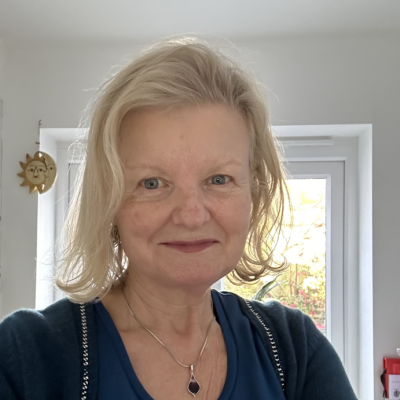
Nicola Williams
Practitioner Psychologist registered with the Health and Care Professions Council and a Chartered Associate Fellow of the British…
View profile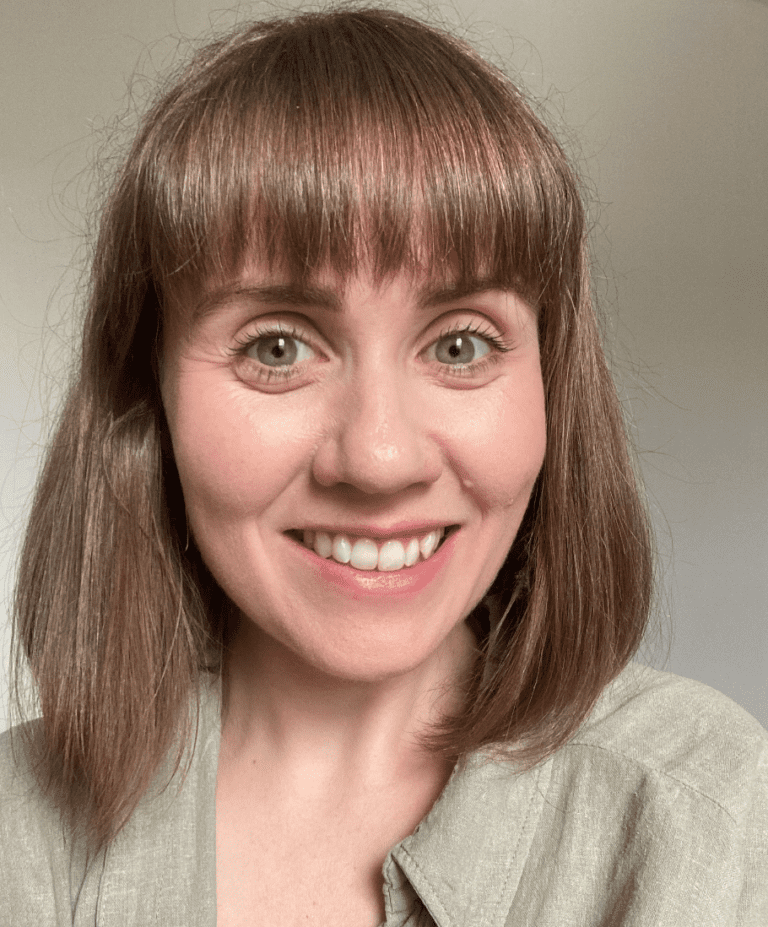
Charlotte Constable
I’m a counsellor based in Streatham and Tooting in South West London, offering in-person, online, and telephone appointments. I provide a…
View profile
Mark Hoffman
I’m an integrative counsellor and psychotherapist (MBACP) and a fully qualified, insured breathwork facilitator. I offer a warm, supportive…
View profile
Miriam Christie
If you are looking for heartfelt therapy to help you to overcome difficulties in your life, you are in the right place. My particular…
View profile
Alex Solomon
I help young men struggling with anxiety, confidence, relationships and life changes.
View profile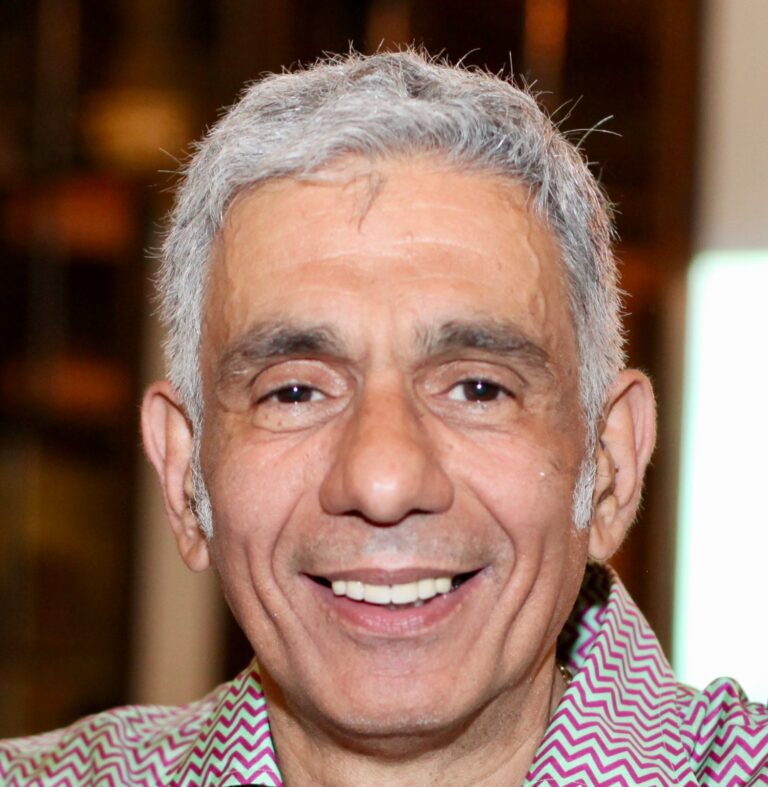
Tolis Marinos
MBACP-registered Gestalt counsellor and psychotherapist with over 30 years of experience supporting people through life changes. He holds a…
View profile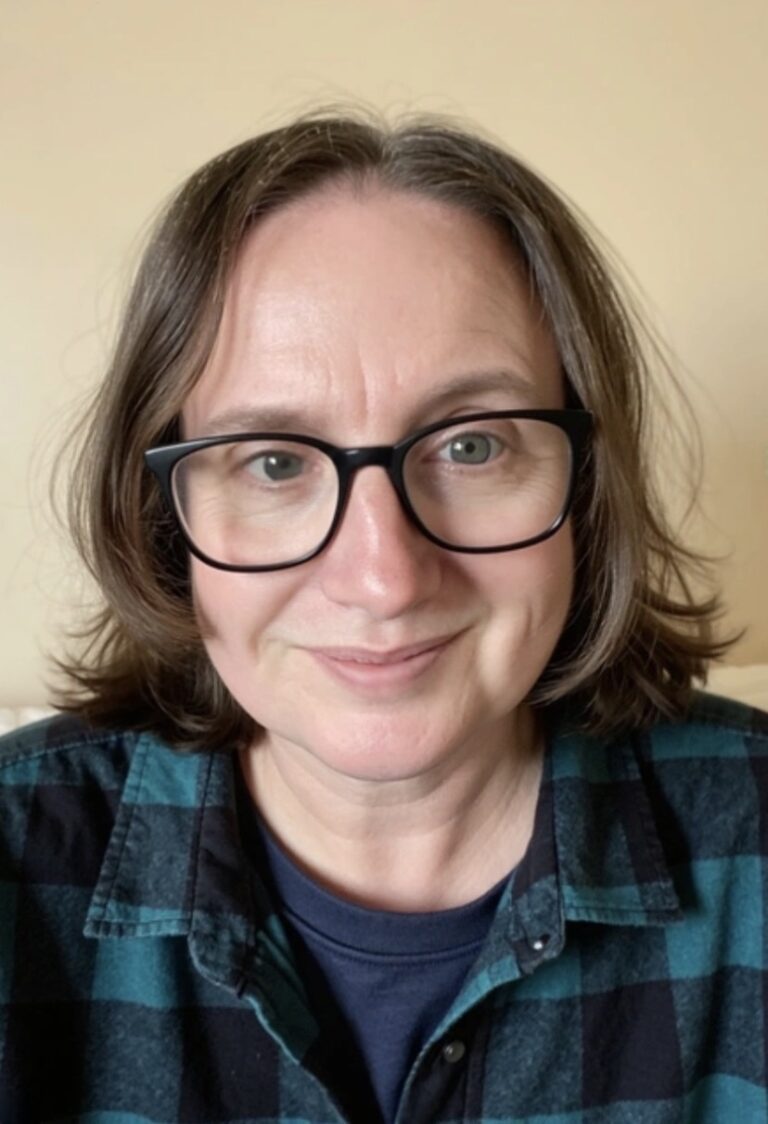
Emma Edwards
As a Counsellor I have worked with a variety of issues, especially those related to bereavement and loss. The experience of grief for many…
View profile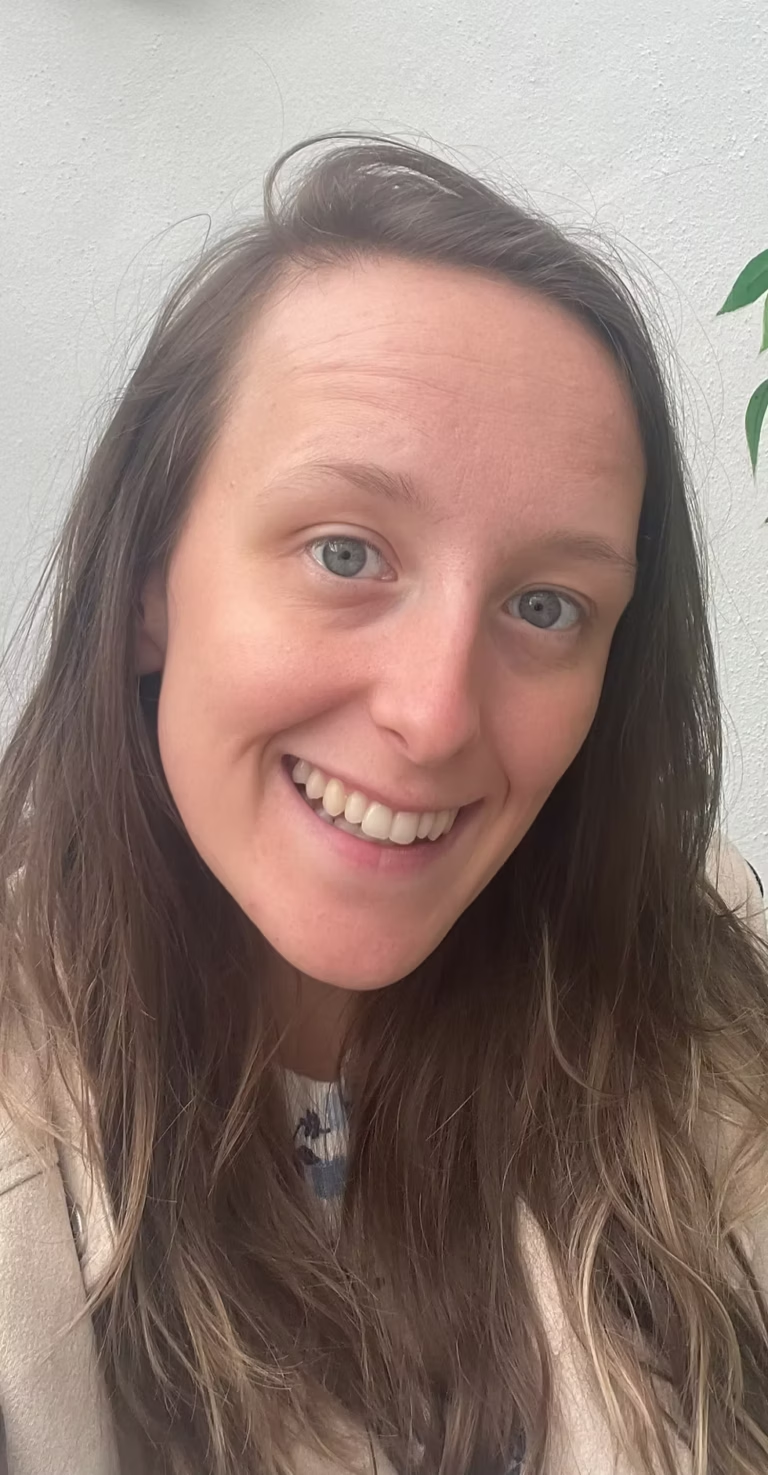
Polly Watson
I am a trained psychodynamic counsellor working with adults, young people and children, offering in-person sessions in Wimbledon and online…
View profile
Britta Bielenb
I joined UKCP as a fully accredited clinical member several years ago, having completed an MA and diploma in Gestalt therapy for individual…
View profile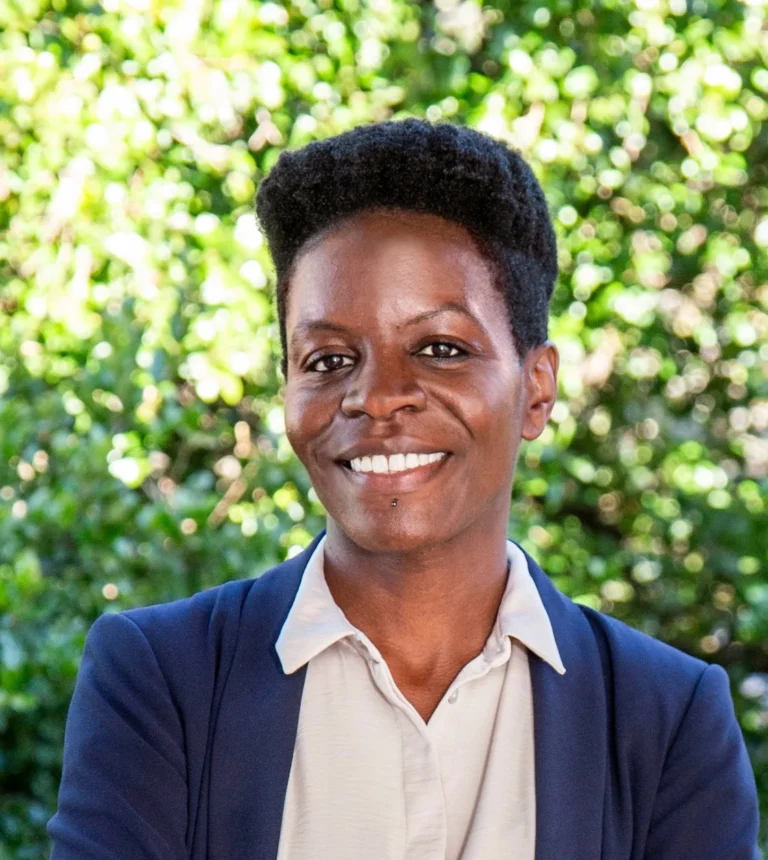
Ayo Adesioye
BACP-registered, integrative psychotherapist based in south-east London. She holds a Postgraduate Diploma in Integrative Counselling and…
View profile
David Hargreaves
BACP Accredited integrative counsellor based in Penge, South East London. He holds a Diploma in Counselling with Distinction and his BACP…
View profileWhat to expect from depression therapy
Depression therapy begins with space to talk honestly about your experience, when it started, how it feels, what your life is like right now. Your therapist will help you understand the thoughts, feelings, and situations that contribute to your low mood, and work with you to develop more effective ways of responding to them.
CBT can be particularly useful for identifying and shifting negative thought patterns. Psychodynamic and person-centred approaches help you explore deeper emotional themes at your own pace. Many people find that therapy lifts mood, restores motivation, and changes their relationship with themselves over time. Progress can feel slow at first but tends to build meaningfully across sessions.
Frequently Asked Questions
Is therapy effective for depression?
Yes, talking therapy is one of the most well-evidenced treatments for depression. CBT, psychodynamic therapy, and interpersonal therapy all have strong research support. Many people find significant improvement within a few months of starting therapy.
Should I see a therapist or a GP first for depression?
You can do both. Your GP can assess severity and discuss whether medication might help alongside therapy. A therapist can begin the psychological work. There is no rule about which to approach first, many people do both simultaneously.
How long does depression therapy take?
A short course of CBT (8 to 16 sessions) helps many people with mild to moderate depression. Others benefit from longer-term therapy, particularly when depression is recurrent or linked to deeper emotional patterns. Your therapist will guide you on what is likely to help most.
How much does depression therapy cost in South London?
Across the therapists listed on The Therapist Finder, the median fee is £85 a session, with most charging between £70 and £110. Fees vary across South London, with central boroughs tending to sit at the higher end. Some therapists keep a small number of lower cost places, and charities and training organisations offer reduced fee counselling if private rates are out of reach. For wider context, see what therapy costs across the UK, based on fee data from 410 registered therapists.
Does online therapy help with depression?
Yes. Studies comparing online and face to face therapy for depression find similar outcomes for most people. Online sessions also remove the effort of travelling, which matters when low mood makes leaving the house hard. Many South London therapists offer both.
How do I choose the right therapist for depression?
Look for someone registered with a recognised body such as the BACP, UKCP, BPC or HCPC, and with experience of working with depression. Beyond credentials, the relationship itself is one of the strongest predictors of whether therapy helps, so use a first session or introductory call to notice how you feel talking to them.