
Depression therapy in Forest Hill is offered by qualified practitioners trained in evidence-based approaches including CBT, psychodynamic therapy, and interpersonal therapy. Browse accredited therapists below.
Therapy in Forest Hill
Forest Hill is a residential neighbourhood in south-east London, within the London Borough of Lewisham. It is known for the Horniman Museum and Gardens — a beloved local institution set in 16 acres of parkland — and has a growing independent cafe and arts scene. Forest Hill is served by train links to London Bridge and London Victoria, making it accessible from across south and central London.
What is depression therapy?
Depression is more than feeling low or going through a difficult patch. It is a persistent state that can affect every area of life — how you think, feel, sleep, eat, relate to others, and find meaning in your days. Common experiences include a loss of interest in things that once brought pleasure, exhaustion that rest doesn't fix, difficulty concentrating, withdrawing from people, and a pervasive sense of hopelessness.
Depression affects around one in six people at some point in their lives. It is not a character flaw or a sign of weakness — it is a condition with recognisable patterns, understood causes, and effective treatments. Talking therapy is one of the most effective interventions for depression, whether used alone or alongside medication.

Limor Tevet
I have experience working with a range of difficulties, from depression and low mood, anxiety and stress, to anger issues, trauma and…
View profile
Tanya Poonawala
Therapy is a space for you and about you. It’s a space to understand yourself, explore self-awareness and self-regulation, and…
View profile
Jackie van Roosmalen
I started my professional journey as a creative arts therapist and I worked in community settings including residential homes, schools and…
View profile
Katja Hajek
I am a Clinical Psychologist and therapist with many years of experience working both in the NHS and also privately. I have both experience…
View profile
Virginia Craven
Talking things through with someone in a safe, private space who is not attached to your life in any other way can be helpful and…
View profile
Valerija But
I have extensive work experience in health/community settings and over 15 years in private practice. Approaches I draw from in my work…
View profile
Ben White
MBACP-accredited counsellor and psychotherapist based in East Dulwich, London SE22. He holds a Masters degree in Addiction Psychology and…
View profile
Victoria Gale
A qualified counsellor since 2019, she brings a warm, thoughtful approach grounded in nearly two decades as a primary school teacher. Her…
View profile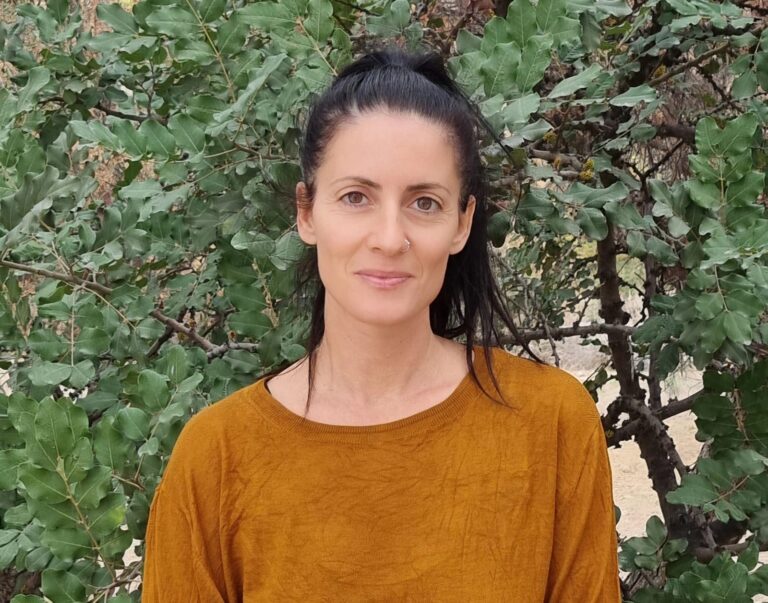
Christina Argyropoulou
I support adults experiencing a wide range of challenges, including anxiety, depression, trauma, chronic illness, relationship…
View profile
Philomena Chipman
MBACP Accredited counsellor and psychotherapist with over 22 years of experience working across mental health and education settings. She…
View profile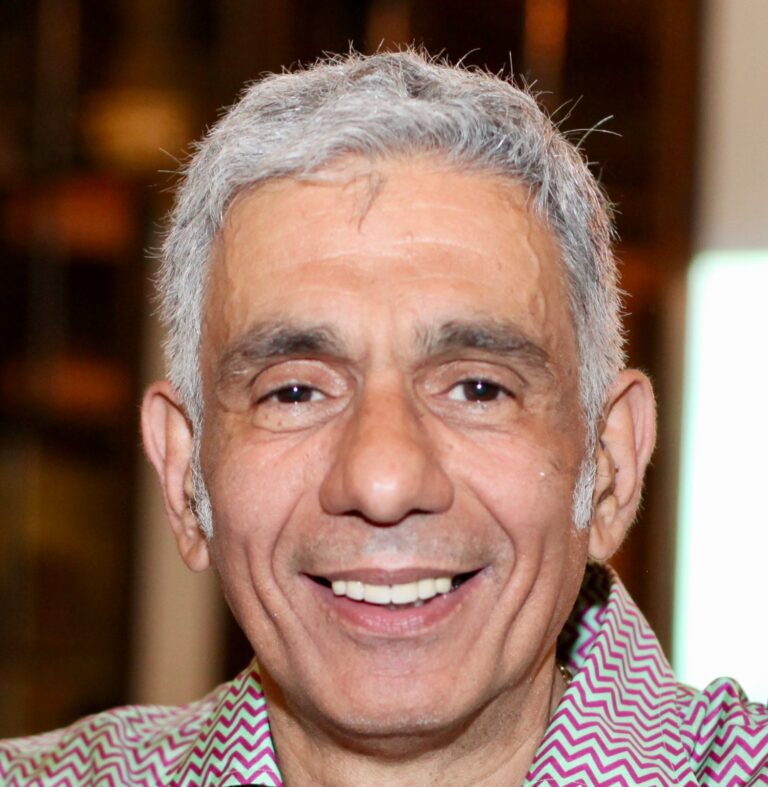
Tolis Marinos
MBACP-registered Gestalt counsellor and psychotherapist with over 30 years of experience supporting people through life changes. He holds a…
View profile
Samuel Smith
I am a Registered Member of the British Association for Counselling and Psychotherapy (BACP) and practise in accordance with their Ethical…
View profileWhat to expect from depression therapy
Depression therapy begins with space to talk honestly about your experience — when it started, how it feels, what your life is like right now. Your therapist will help you understand the thoughts, feelings, and situations that contribute to your low mood, and work with you to develop more effective ways of responding to them.
CBT can be particularly useful for identifying and shifting negative thought patterns. Psychodynamic and person-centred approaches help you explore deeper emotional themes at your own pace. Many people find that therapy lifts mood, restores motivation, and changes their relationship with themselves over time. Progress can feel slow at first but tends to build meaningfully across sessions.
Frequently Asked Questions
Is therapy effective for depression?
Yes — talking therapy is one of the most well-evidenced treatments for depression. CBT, psychodynamic therapy, and interpersonal therapy all have strong research support. Many people find significant improvement within a few months of starting therapy.
Should I see a therapist or a GP first for depression?
You can do both. Your GP can assess severity and discuss whether medication might help alongside therapy. A therapist can begin the psychological work. There is no rule about which to approach first — many people do both simultaneously.
How long does depression therapy take?
A short course of CBT (8 to 16 sessions) helps many people with mild to moderate depression. Others benefit from longer-term therapy, particularly when depression is recurrent or linked to deeper emotional patterns. Your therapist will guide you on what is likely to help most.