
Shoreditch has a number of accredited therapists offering relationship counselling. Browse practitioners below by approach and find the right support for your situation.
Therapy in Shoreditch
Shoreditch is a dynamic neighbourhood on the eastern edge of the City of London, within the boroughs of Hackney and Tower Hamlets. Known as the heart of London's tech and creative industries, it is also home to galleries, street art, restaurants, and a thriving independent scene. Shoreditch is well-served by Liverpool Street and Bethnal Green stations, including the Elizabeth line, Central line, and Overground.
What is relationship therapy?
Relationship difficulties are one of the most common reasons people seek therapy — whether they come alone or with a partner. They can range from recurring arguments and communication breakdowns to emotional distance, trust issues, or the lingering effects of an affair or betrayal.
Sometimes there is no dramatic event — just a gradual growing apart, or a persistent sense that real connection has been lost. Individual therapy for relationship issues can be just as valuable as couples therapy — it helps you understand your own patterns, what you bring to relationships, and what you genuinely need.

Ta-You Chiu
I am a BACP-registered Integrative Psychotherapist and began exploring this profession in 2017. I have previously worked for the NHS and…
View profile
Shannon Talbot
I work with couples and individuals around relational and sexual issues. I have LGBTQAI and GSRD-specific training and am neuro-informed…
View profile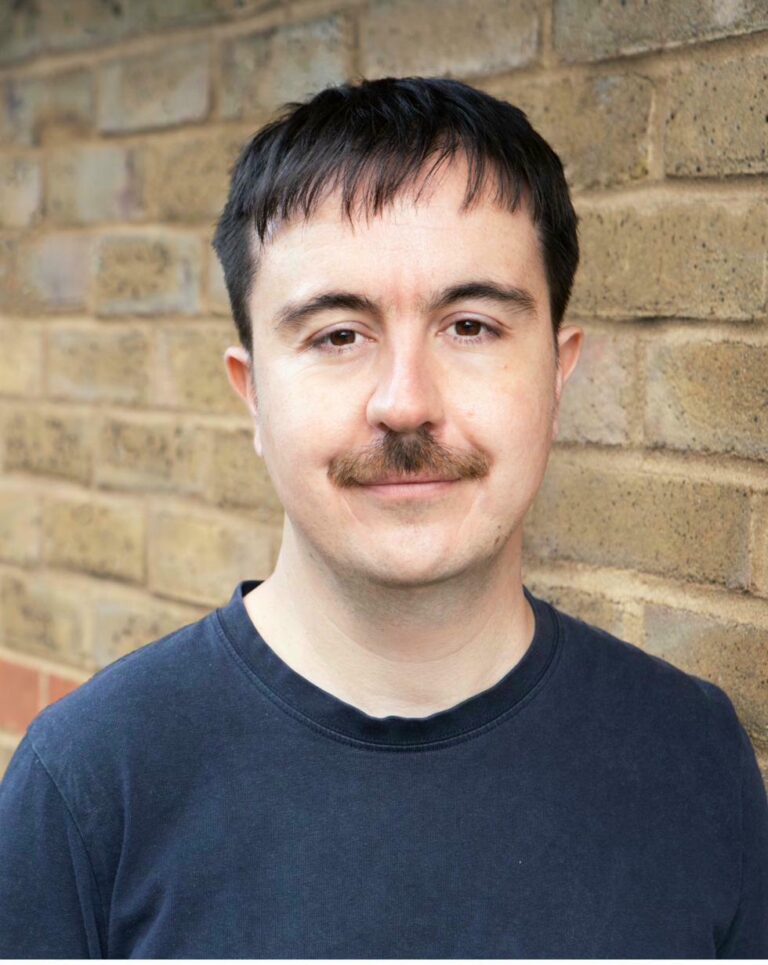
Andrew Tobert
Perhaps something needs to change, even if you can’t quite name what. I’m a relational, integrative psychotherapist in…
View profile
Vincent Goyon
Therapy for anxiety, relationships, shame, sexuality and identity in Shoreditch. ✦ Feeling overwhelmed, disconnected, emotionally stuck, or…
View profile
Nicola Wilkins
I am a trained person-centred therapist, with additional somatic training that informs my work with trauma and anxiety. My approach is…
View profile
Chris Bancroft
I work with individuals, couples, polycules and families of all genders, sexualities, backgrounds and neurotypes. I am a gay man and have…
View profile
James Angel
I am an attachment-based psychotherapist trained at The Bowlby Centre, where I now also teach, and I have previously worked within the NHS…
View profile
Madeleine Roantree
Life can become difficult for many reasons. You may be feeling anxious, overwhelmed, low in mood, stuck in unhelpful patterns, struggling…
View profile
Paul de Bruin
In addition to my private practice, I’ve worked in various settings, including the NHS Mental Health Service, Maytree Suicide Respite…
View profile
Stefania Orsi
I am an experienced Counselling Psychologist, working in private practice in Shoreditch since 2014. Extensive NHS experience in IAPT low…
View profile
Rebecca Sparkes
UKCP-accredited psychotherapist with over 15 years of experience in private practice and the NHS, specialising in addiction, eating…
View profile
Monica Mendes
My name is Monica, and I’m a registered therapeutic counsellor and life coach. You may be here because life feels overwhelming…
View profileWhat to expect from relationship therapy
Relationship therapy — whether individual or with a partner — typically begins with an exploration of current patterns: what tends to happen, how each person responds, and what has been tried so far. From there, the work goes deeper: exploring early attachment experiences, the models of relationship formed in childhood, and the hopes and fears that shape behaviour in intimate relationships.
Attachment-based approaches, psychodynamic therapy, and emotionally focused therapy are all commonly used. Progress in relationship therapy often feels non-linear — things sometimes feel harder before they feel better, as honest communication replaces silence or avoidance.
Frequently Asked Questions
Should I do individual or couples therapy for relationship issues?
Both are valuable. Individual therapy helps you understand your own patterns, what you bring to relationships, and what you need. Couples therapy brings both partners into a supported dialogue. Many people do individual therapy first, then couples therapy, or both simultaneously with different therapists.
Can therapy help after an affair?
Yes — therapy can be enormously helpful after a betrayal, whether the aim is to rebuild the relationship or to process what has happened and find a way forward. Both couples therapy and individual therapy are useful. Rebuilding trust takes time, but many couples do recover from affairs with the right support.
What if my partner refuses to come to therapy?
You can still benefit significantly from individual therapy. Understanding your own patterns and needs is valuable regardless of whether your partner is involved. Individual therapy may also help you decide what you want, and sometimes partners become open to joining later.