



Therapy fees in the UK are rarely published in one place, so most people find out the price one enquiry at a time. You email three therapists, wait, and only then learn whether any of them sit inside your budget.
This guide sets out what private therapy actually costs, using the fees published on therapist profiles listed on The Therapist Finder. The figures come from 434 registered therapists, 410 of whom state a fee. These are practitioners taking clients now, so the numbers describe the real market rather than a survey estimate. Compiled August 2026.
The short answer
- The median private therapy session in the UK costs £85.
- Half of all therapists charge between £70 and £110.
- One in five will see someone for £60 or less, usually as a reduced fee place.
- Fees on the directory run from £25 to £400 a session.
- NHS Talking Therapies remains free, and in England you refer yourself without seeing a GP first.
What most people pay
Averages hide a lot. Here is how the 410 published fees actually spread out.
| Fee per session | Therapists | Share |
|---|---|---|
| Under £50 | 12 | 3% |
| £50 to £69 | 64 | 16% |
| £70 to £89 | 152 | 37% |
| £90 to £109 | 76 | 19% |
| £110 to £149 | 74 | 18% |
| £150 and above | 32 | 8% |
More than half of all therapists sit between £70 and £109. If someone quotes you £180 a session, they are in the top few per cent of the market, and you should expect a clear reason for the difference.
Cost by type of therapist
The title on a therapist’s profile predicts the fee better than anything else. A counsellor and a psychologist are separated by about £55 a session.
| Type of therapist | Typical fee | Most charge |
|---|---|---|
| Counsellor | £75 | £60 to £85 |
| Integrative therapist | £80 | £75 to £100 |
| Child or adolescent therapist | £80 | £73 to £89 |
| Psychotherapist | £85 | £75 to £110 |
| CBT therapist | £90 | £80 to £105 |
| Family therapist | £90 | £83 to £120 |
| Couples therapist | £100 | £85 to £120 |
| Psychosexual therapist | £100 | £95 to £120 |
| Psychologist | £130 | £110 to £155 |
Psychologists charge most because the route to qualifying is longer and, for clinical psychologists, doctoral. Counsellors sit lowest. Neither figure tells you who will suit you. Plenty of people do their best work with a counsellor at £70, and a £130 fee buys different training rather than a better outcome.
Couples work costs more across the board. Sessions usually run longer, often 60 to 90 minutes, and holding two people in the room asks more of the therapist.
London and the rest of the UK
Location moves the price by a meaningful amount.
| Where the therapist practises | Typical fee | Most charge |
|---|---|---|
| London postcodes | £85 | £75 to £110 |
| Outside London | £73 | £55 to £100 |
Around £12 a session separates the two, which comes to roughly £600 over a year of weekly work. Room rent explains most of the gap. A consulting room in central London costs several times what the same room costs in the north of England.
Worth stating plainly: the directory currently lists more London therapists than any other area, so the London figure rests on 305 profiles and the figure for the rest of the UK rests on 84. Treat the second as indicative.
What a full course of therapy costs
Per session pricing makes therapy sound cheaper than the commitment feels. At the median fee of £85:
- Six sessions, enough for a focused piece of work, cost around £510.
- Twelve sessions, a common length for CBT, cost around £1,020.
- A year of weekly therapy, allowing for holidays, runs to roughly 44 sessions and £3,740.
Open ended psychodynamic or psychoanalytic work has no set end point, so ask at the start how the therapist thinks about length. A good therapist will discuss this openly rather than leave you to guess.
What a therapist’s fee actually pays for
An £85 session is not £85 of income. Therapists in private practice are self-employed and carry the whole cost of running a practice. A large part of every fee is spent before they see any of it.
| Running cost | What it involves |
|---|---|
| Clinical supervision | Around £75 an hour. BACP accredited members must have at least an hour and a half every month, and most have more. Supervision is a condition of registration, not an optional extra. |
| Professional body membership | £196 a year for BACP individual membership, with further fees for joining the register and for accreditation. UKCP, BPC and HCPC each charge their own. |
| Room hire | £10 to £20 an hour across most of London on a regular weekly slot, more for occasional hours and considerably more in central consulting rooms. |
| Professional indemnity insurance | Required for registration and renewed every year. |
| Continuing professional development | 30 hours a year for BACP members, paid for by the therapist. |
| Data protection | Annual registration with the Information Commissioner’s Office, plus secure record keeping. |
| Unpaid working time | Notes after every session, enquiries that come to nothing, late cancellations, referrals, reading and the admin of running a small business. |
Self-employment removes the rest of the safety net. No sick pay, no holiday pay, no employer pension, and no income during the weeks a therapist does not work. Most take six to eight weeks off a year and earn nothing in them.
What it costs to qualify
Nobody charges anything until the training is finished, and the training is long and self funded.
- A counselling or psychotherapy qualification takes four to five years part time, usually paid for by the trainee.
- Most trainings require the trainee to be in personal therapy every week for the length of the course, at their own expense. Four years of weekly sessions is a five figure sum on its own.
- Trainees complete several hundred client hours on placement, most of them unpaid, while still paying for their own supervision.
- A doctorate in clinical psychology takes longer again, which is the main reason psychologists charge around £55 a session more than counsellors.
None of this makes a high fee automatically fair, and you are still entitled to shop around. It does explain where the floor sits. A therapist charging £50 an hour in London, after room hire and supervision, keeps a good deal less than the headline suggests.
Why fees vary so much
Beyond the costs every therapist carries, four things move the price.
- Experience and demand. Therapists with full practices and long waiting lists raise their fees. Newly qualified therapists building a practice often price below the median deliberately.
- Specialism. Couples, psychosexual, trauma and eating disorder specialists charge more, partly for the extra training and partly because the work is more demanding.
- Where they practise. Room rent in central London runs several times the cost of the same room elsewhere in the country, and fees follow.
- Session length. Couples and family sessions often run 60 to 90 minutes rather than the standard 50, so the hourly comparison is not like for like.
Free and lower cost routes
Private therapy is one option among several, and it is not the first place most people should look.
- NHS Talking Therapies. Free, and in England you refer yourself online without a GP appointment. Waiting times vary by area and the number of sessions is usually limited.
- Your employer. Many employers run an assistance programme offering six to eight free sessions. Check your staff handbook or intranet before assuming you do not have one.
- Training clinics. Therapy training organisations run low cost clinics staffed by trainees under close supervision, typically £5 to £40 a session on a sliding scale. Waiting lists are common and sessions are often time limited.
- Charities. Mind, Cruse, Rape Crisis, Refuge and various local organisations offer free or very low cost counselling, usually for specific circumstances.
- Reduced fee places with private therapists. Most therapists hold one or two places at a lower rate. These are rarely advertised, so you have to ask.
If you are looking in London specifically, our guide to affordable therapy options in London works through each of these routes with named services and current prices.
How to ask about a reduced fee
Therapists are used to this conversation and very few take offence. Be direct and specific in your first email:
“Your work looks like a good fit for what I am dealing with. My budget is around £60 a session. Do you have any reduced fee places, or could you suggest someone who might?”
Naming a figure is more useful than asking whether they are flexible. A therapist who cannot meet it will often pass you to a colleague who can. On the directory, 81 therapists list a starting fee of £60 or less, and 31 start at £50 or less, so the places exist.
Online therapy widens what you can afford
Working online removes geography from the decision. Someone living in London who is willing to work over video opens up therapists across the UK, where the median fee is around £12 a session lower. Over a year of weekly sessions that difference is roughly £600.
Online work suits most people for most difficulties. In person tends to be preferable for trauma work, for people who find video draining, and for anyone without a private space at home.
Find a therapist who fits your budget
Every profile on The Therapist Finder shows the therapist’s fee, so you compare price before you make contact rather than after two emails and a week of waiting. Every therapist listed has had their registration with a recognised professional body checked before their profile went live.
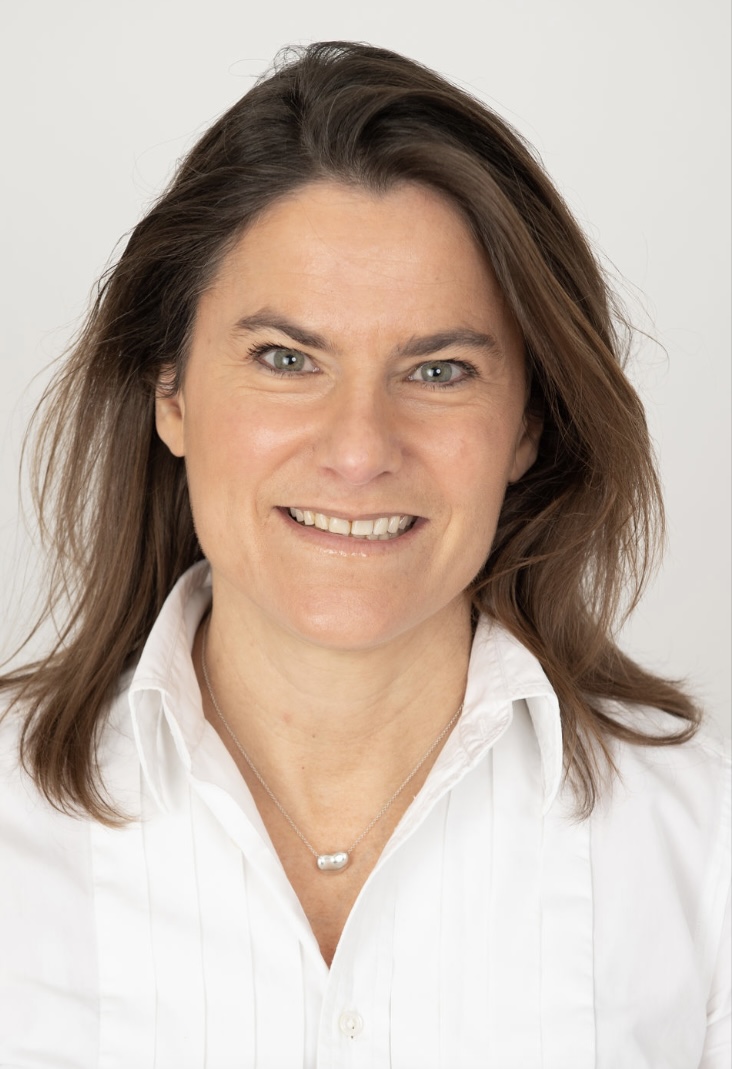
Marina Palmer
I am a BACP Accredited Counsellor with twelve years’ experience, offering individual counselling to adults, aged 18 and above…
View profile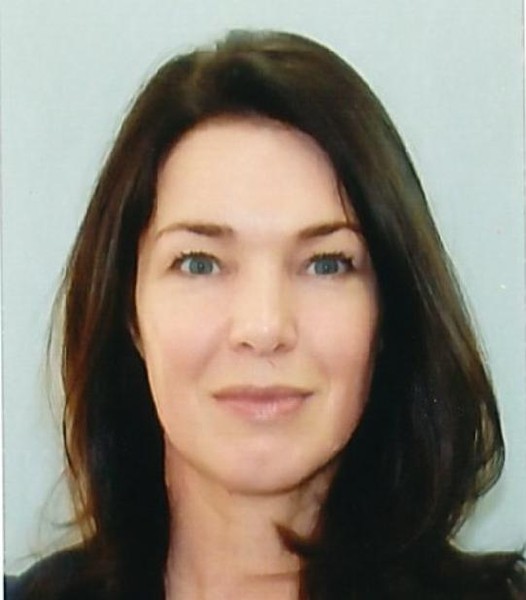
Janine Hayward
Hello. Do you struggle with anxiety, work, relationships or parenting stress? Are you overwhelmed, worried, depressed, stuck, low in…
View profile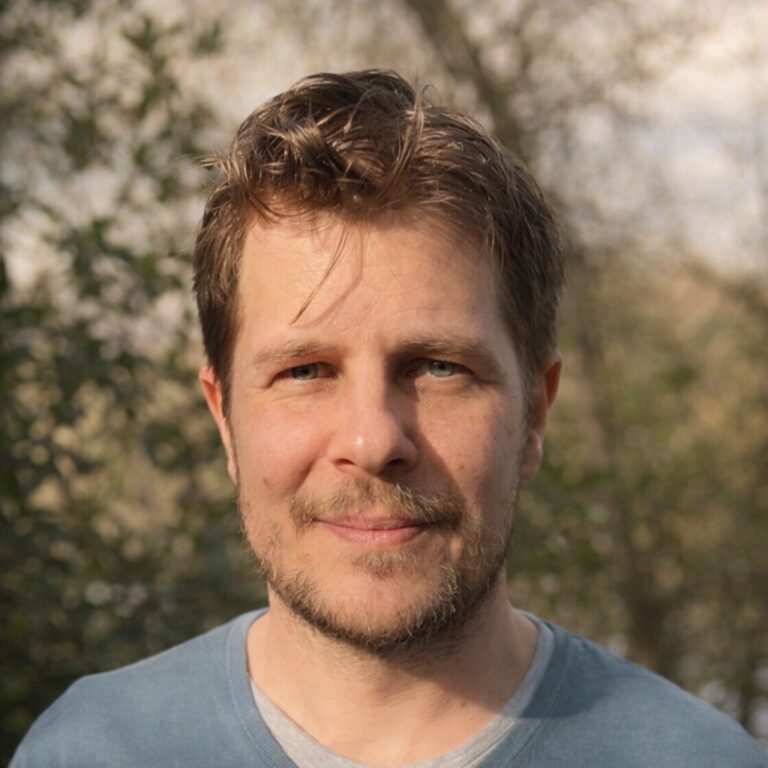
Tom Laverton
Therapy for people who feel the pressure to hold everything together, but are starting to feel the strain of doing it alone. You might look…
View profile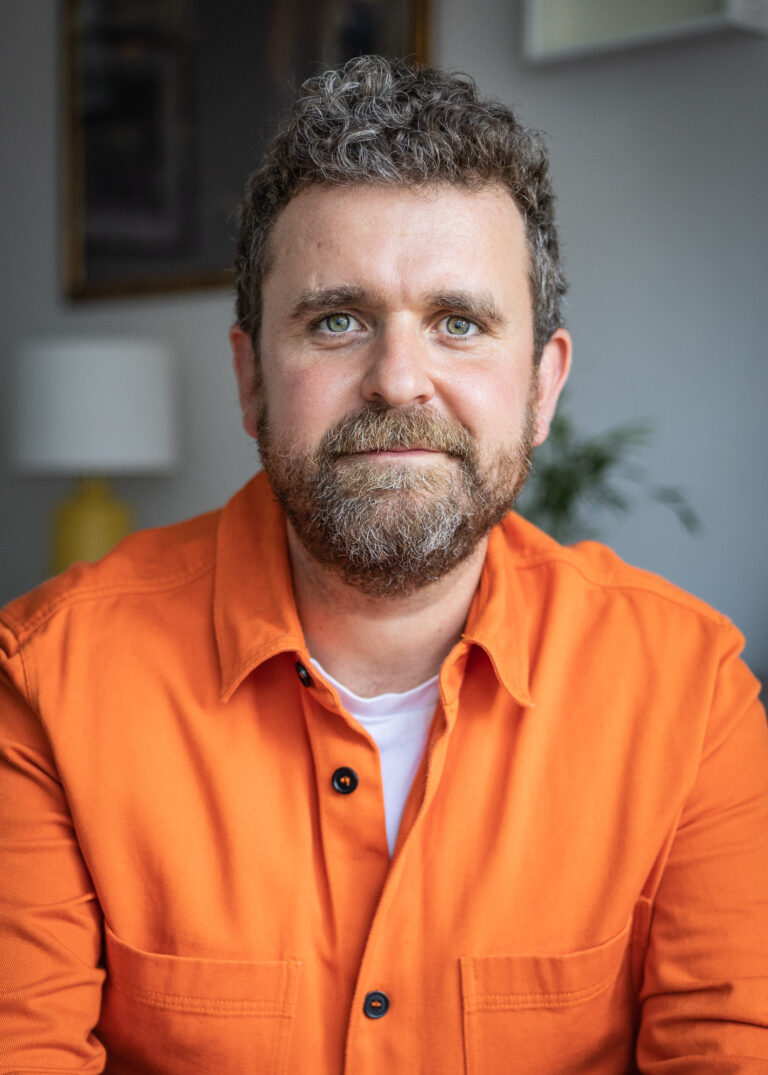
Jonathan Humphreys
I help people who are feeling lost and are looking to explore how they might move forward. Increasingly, I am sought out by individuals who…
View profile
Sara Saxon
Seeking support can sometimes feel difficult, but I see it as a thoughtful and constructive step towards understanding and change. I offer…
View profile
Philomena Chipman
MBACP Accredited counsellor and psychotherapist with over 22 years of experience working across mental health and education settings. She…
View profileSearch the full directory by location, area of difficulty and type of therapy.
Frequently asked questions
How much does therapy cost in the UK?
The median private therapy session costs £85. Half of all therapists charge between £70 and £110, and fees run from £25 to £400. Counsellors sit lowest at around £75, psychologists highest at around £130. Figures taken from 410 published fees on The Therapist Finder in August 2026.
Why is therapy so expensive?
The fee covers a great deal more than the hour itself. Therapists in private practice pay for clinical supervision at around £75 an hour, professional body membership from £196 a year, room hire of £10 to £20 an hour in London, indemnity insurance, 30 hours of continuing professional development a year and their own unpaid admin time. They have no sick pay, holiday pay or pension. Qualifying takes four to five years of self funded training, usually alongside weekly personal therapy at their own expense.
What is the cheapest way to speak to a therapist?
Free, through NHS Talking Therapies, which takes self-referrals in England without a GP appointment, or through your employer’s assistance programme if you have one. The cheapest paid route is a training clinic, where trainee therapists work under supervision from around £5 to £40 a session. Reduced fee places with private therapists usually start around £40 to £50.
Is therapy free on the NHS?
Yes. NHS Talking Therapies is free at the point of use and covers CBT, counselling and several other approaches for common difficulties such as anxiety and depression. You refer yourself online in England. Waiting times vary considerably by area, and the number of sessions is usually capped, so people wanting longer or open ended work often go private afterwards.
How much does a counsellor cost compared with a psychologist?
A counsellor charges around £75 a session, with most between £60 and £85. A psychologist charges around £130, with most between £110 and £155. The gap reflects length of training rather than a difference in results. For common difficulties such as anxiety, low mood and relationship problems, a counsellor or psychotherapist is usually the appropriate choice.
Do therapists offer reduced fees?
Most hold one or two lower fee places, though they rarely advertise them. Ask directly in your first email and name the figure you are able to manage. Of the therapists listed on The Therapist Finder, 81 state a starting fee of £60 or less and 31 start at £50 or less.
How many sessions will I need?
It depends on the difficulty and the approach. CBT for a specific problem often runs 6 to 12 sessions, which comes to roughly £510 to £1,020 at the median fee. Psychodynamic and psychoanalytic work is usually open ended. Ask at the first session how the therapist thinks about length, and agree a point to review progress together.
How we worked this out
Figures come from the fees published on 434 therapist profiles listed on The Therapist Finder in August 2026, of which 410 state a usable price. Where a therapist publishes a range, we use the midpoint. Where a therapist publishes a single fee, we use that figure. Fees by type of therapist use the professional title on each profile, and therapists holding more than one title appear in more than one row.
The directory lists more London therapists than any other area, so the national median leans towards London prices. We review these figures a few times a year.