
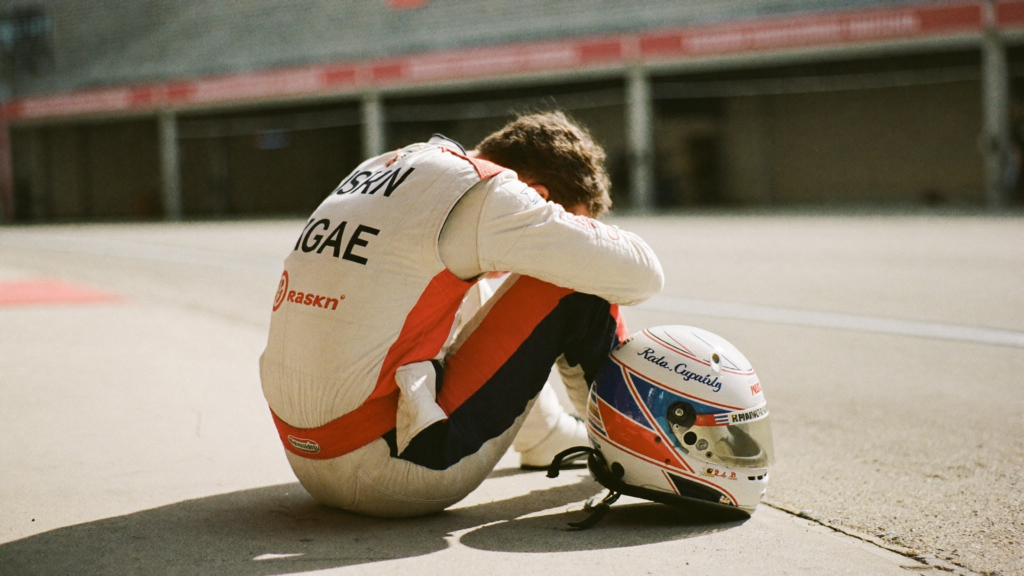


In a recent interview with The Guardian, Formula 1 world champion Lando Norris opened up about something rarely associated with elite sport: self-doubt. And that honesty matters more than another trophy ever could.
In a culture that still glorifies relentless confidence, it’s deeply encouraging to see one of the world’s most successful athletes admit that even at the top, uncertainty creeps in. Lando Norris mental health discussions are helping challenge outdated ideas about masculinity, pressure and emotional vulnerability in elite sport.
Because here’s the truth: self-doubt doesn’t disappear when you become successful. Sometimes, it gets louder.
Why Lando Norris Speaking About Mental Health Matters
For decades, success has been marketed as immunity, as if achievement eliminates insecurity.
But according to the British Association for Counselling and Psychotherapy (BACP), anxiety, imposter syndrome and performance pressure affect people across all industries, from students to CEOs to elite athletes.
When someone like Norris speaks openly, three things happen:
| Impact | Why It Matters |
|---|---|
| Normalisation | It shows that self-doubt is human, not weakness |
| Permission | It gives others language to express what they feel |
| Connection | It reduces isolation, especially among young men |
And that last point is critical.
Why This Conversation Matters for Men
Statistics consistently show that men are less likely to seek support for mental health struggles. Cultural expectations around strength and stoicism still run deep. Organisations like James’ Place are working to change that narrative. They provide life-saving therapy specifically for men experiencing suicidal crisis, with fast access, no waiting lists, no judgement. Similarly, Boys Get Sad Too has built a global movement around one simple but powerful truth: strength and openness are not opposites.
When high-profile figures admit vulnerability, it reinforces what these organisations have been saying for years.
High Performance and Hidden Pressure
Formula 1 drivers operate under extraordinary scrutiny: global audiences, multi-million-pound contracts, millisecond decisions, public criticism, relentless travel.
Yet mental pressure is rarely visible on the podium. When Norris acknowledges doubt ahead of a season, it challenges the outdated idea that confidence must be constant. Instead, it suggests something more sustainable: you can feel unsure and still perform brilliantly.
For people who find that these feelings are becoming difficult to manage, support with anxiety and self-doubt can provide space to understand where those feelings come from and develop healthier ways of responding to them.
That message is transformative, particularly for young athletes, students under academic pressure, entrepreneurs battling imposter syndrome, and anyone measuring themselves against social media perfection.
Why This Cultural Shift Is Encouraging
There is a noticeable shift happening: athletes speaking openly, mental health charities gaining visibility, campaigns targeted specifically at men, and honest conversations in mainstream media.
We are slowly moving from “just get on with it” to “let’s talk about it.” And that shift saves lives.
Find Support That Takes This Seriously
If self-doubt or performance pressure is something you recognise in yourself, you don’t have to carry it alone. Search verified, independent UK therapists at The Therapist Finder.
This guest post was written by Paul Madden, a verified therapist on The Therapist Finder. You can view his full profile here.