
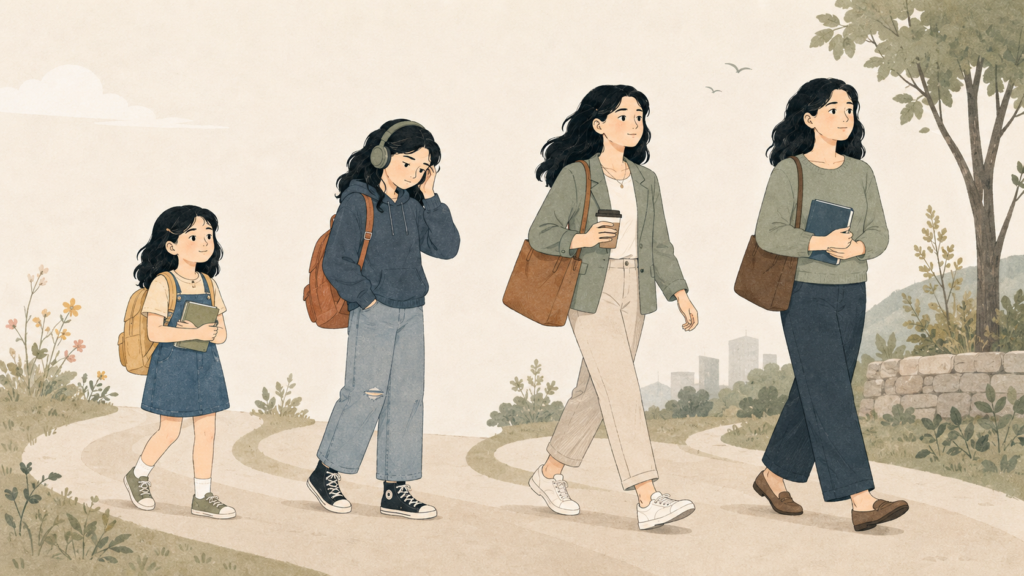


ADHD Across the Lifespan: Children, Teenagers and Adults
Attention Deficit Hyperactivity Disorder, usually known as ADHD, is a neurodevelopmental condition that can affect people throughout their lives. Although ADHD is often associated with children, many people continue to experience ADHD symptoms in adolescence and adulthood.
ADHD does not look the same at every age. A young child may be physically restless and impulsive. A teenager may struggle more with organisation, emotional regulation and school demands. An adult may have difficulties with time management, work, relationships, household tasks or self-esteem.
Understanding how ADHD can change across the lifespan can help people get the right support at the right stage. If you are looking for a general overview, the NHS guide to ADHD is a useful place to start.
ADHD in Children
ADHD is often first noticed in childhood, especially when a child starts school and is expected to sit still, follow instructions, concentrate for longer periods and manage social situations.
In children, ADHD can show up through inattention, hyperactivity and impulsivity. Some children have mainly inattentive symptoms, while others are more visibly restless or impulsive. Many have a mixture of both.
Inattention
A child with ADHD may find it hard to focus on schoolwork, follow instructions, finish tasks or stay with activities that require sustained effort. They may seem forgetful, easily distracted or disorganised.
This is not usually because the child does not care. Their attention may be inconsistent. They might focus deeply on something they love, but struggle to stay with something repetitive, difficult or less immediately rewarding.
Hyperactivity
Hyperactivity in children may look like fidgeting, climbing, running around, talking a lot, finding it hard to sit still, or seeming constantly “on the go”.
This can be particularly difficult in classrooms, restaurants, waiting rooms or other places where children are expected to stay quiet and still for long periods.
Impulsivity
Impulsivity may show up as interrupting, blurting out answers, grabbing things, struggling to wait, acting before thinking, or taking physical risks.
These behaviours can affect friendships and family life. Other children may experience the child as bossy, intense or unpredictable, while adults may mistakenly see the behaviour as deliberate disobedience.
Support for children with ADHD
Children with ADHD often benefit from clear routines, movement breaks, visual instructions, calm boundaries, emotional support and understanding from school and home.
Parents can speak to their GP, school SENCO or health visitor if they are concerned about ADHD. The NHS explains that treatment for children with ADHD may include parent training, support at school, behavioural approaches and, in some cases, medication under specialist care. You can read more in the NHS guide to ADHD treatment.
For UK-based information and support, ADHD UK and ADDISS provide resources for people affected by ADHD and their families.
ADHD in Teenagers
Adolescence can be a particularly difficult stage for young people with ADHD. The teenage years bring more independence, more academic pressure, more social complexity and stronger emotional demands.
Some signs of hyperactivity may become less obvious during adolescence. A teenager may no longer run around or climb on things, but may still feel internally restless, impatient or easily bored.
School and study pressures
As schoolwork becomes more demanding, teenagers with ADHD may struggle with planning, deadlines, revision, coursework, homework and exam preparation.
They may be bright and capable, but still find it hard to start tasks, organise materials, remember deadlines or revise consistently. This gap between ability and performance can be very painful.
Friendships and social life
ADHD can affect friendships. A teenager may interrupt, talk too much, miss social cues, act impulsively, forget arrangements or become emotionally reactive during conflict.
Some teenagers with ADHD become socially confident and energetic. Others may feel rejected, misunderstood or different from their peers. Both can be true at different times.
Emotional regulation
Emotional regulation can be one of the most difficult parts of ADHD in adolescence. Feelings may arrive quickly and strongly, especially around criticism, rejection, embarrassment or frustration.
This can increase the risk of anxiety, low mood, conflict at home or school refusal. Mind has information on ADHD and mental health, which may be useful for young people and families.
Support for teenagers with ADHD
Teenagers often need support that respects their growing independence. This might include study skills support, reasonable adjustments at school or college, therapy, coaching, medication review, help with routines and support around emotional regulation.
Schools and colleges can offer additional support through their special educational needs provision. Parents and young people can also speak to the GP, school SENCO, CAMHS or relevant local services depending on the situation.
ADHD in Adults
Many adults with ADHD were not diagnosed as children. Some only begin to recognise ADHD after a child is assessed, after repeated work difficulties, or after years of feeling disorganised, overwhelmed or “not quite able to keep up”.
Adult ADHD may look less like visible hyperactivity and more like restlessness, difficulty focusing, procrastination, poor time management, emotional reactivity, disorganisation or burnout.
The NHS guide to adult ADHD gives an overview of common adult symptoms and routes to support.
Work and career
Adults with ADHD may struggle with deadlines, admin, meetings, emails, organisation and long periods of concentration. They may find it difficult to prioritise, complete tasks or manage workload without becoming overwhelmed.
At the same time, many adults with ADHD are creative, energetic, quick-thinking and good at responding to pressure. The right role, environment and support can make a significant difference.
If ADHD affects work, some people may be entitled to reasonable adjustments. Acas has guidance on reasonable adjustments at work, and Access to Work may be relevant for some people who need practical support linked to a disability or health condition.
Relationships
ADHD can affect relationships in many ways. Forgetfulness, distractibility, impulsivity, emotional reactivity or difficulty following through on practical tasks can all create tension between partners, family members or friends.
One partner may feel ignored or overburdened, while the person with ADHD may feel criticised, ashamed or misunderstood. Therapy can help couples understand the pattern they are caught in, rather than reducing the problem to one person’s symptoms.
You can search for therapists who work with ADHD and relationship difficulties on The Therapist Finder.
Daily life and self-esteem
Managing bills, appointments, housework, parenting, shopping, forms and messages can be hard for adults with ADHD. These everyday tasks can become a constant source of stress.
Adults with ADHD may also carry years of shame. They may have been called lazy, careless, difficult or unreliable, when in fact they were struggling with executive functioning, attention and emotional regulation.
Good support should address both the practical and emotional sides of ADHD.
ADHD Treatment and Support Across the Lifespan
ADHD support should be tailored to the person’s age, needs, strengths and circumstances. There is no single approach that suits everyone.
Assessment and diagnosis
If ADHD is suspected, a proper assessment is important. In the UK, this usually involves speaking to a GP, who can discuss referral options. Children may be referred to paediatric or child mental health services, while adults may be referred to specialist ADHD or mental health services depending on local pathways.
Waiting times can vary significantly, so it is worth asking what options are available in your local area.
Medication
Medication can be helpful for some children, teenagers and adults with ADHD. In the UK, ADHD medication should be started and monitored by an appropriately qualified specialist.
Medication is not right for everyone, and decisions should be made with a clinician who can consider the person’s symptoms, physical health, risks, benefits and preferences. The NHS gives an overview of ADHD treatment options, including medication and therapy.
Therapy and emotional support
Therapy can help children, teenagers and adults manage the emotional impact of ADHD. This may include anxiety, low self-esteem, shame, anger, relationship difficulties, avoidance or burnout.
CBT can help with practical strategies, routines and unhelpful thought patterns. Psychodynamic therapy may help where ADHD is tied to early experiences of criticism, family roles, shame, self-worth or repeated relationship patterns.
School, college and workplace support
Support in education and work can make a significant difference. This might include written instructions, extra time, movement breaks, visual reminders, reduced distractions, clear deadlines, check-ins, assistive technology or flexible working arrangements.
The right adjustments can reduce unnecessary stress and help people use their strengths more effectively.
Family and relationship support
ADHD affects more than the individual. It can affect family routines, parenting, sibling relationships, romantic relationships and friendships.
Support can help families and couples move away from blame and towards a more accurate understanding of what is happening. This does not mean excusing hurtful behaviour. It means understanding the pattern well enough to change it.
Strengths at Every Stage
ADHD brings real challenges, but it is important not to see people only through their difficulties.
Children with ADHD may be imaginative, energetic, curious and emotionally alive. Teenagers with ADHD may be creative, funny, original, passionate and good at thinking differently. Adults with ADHD may be intuitive, inventive, responsive, determined and able to bring energy to the people and work they care about.
The aim is not to romanticise ADHD, but to understand the whole person: their difficulties, strengths, history, relationships and environment.
Final Thoughts
ADHD can affect people differently across childhood, adolescence and adulthood. At each stage, the challenges may change, but the need for understanding, structure and support remains important.
With proper assessment, practical strategies, emotional support and the right adjustments, people with ADHD can manage difficulties more effectively and build lives that work better for them.
If ADHD is affecting you, your child, your relationship or your family life, speaking to a therapist can help. Browse ADHD-informed therapists on The Therapist Finder to find support that fits your needs.
Where ADHD is affecting the whole household rather than one person, you can browse family therapists in London on the directory.