
Living with ADHD as an adult can affect work, relationships, and self-esteem in ways that often go unrecognised. This page lists accredited therapists in and around Notting Hill, W11 who specialise in working with ADHD — practitioners who understand the real, day-to-day impact of the condition.
Therapy in Notting Hill
Notting Hill is an affluent neighbourhood in the Royal Borough of Kensington and Chelsea, west London. Known for the Portobello Road market, the Notting Hill Carnival, and its elegant garden squares and townhouses, it is one of London's most distinctive and sought-after areas. Notting Hill is served by the Circle and District lines at Notting Hill Gate station.
What is ADHD therapy?
Attention Deficit Hyperactivity Disorder (ADHD) is a neurodevelopmental condition that affects attention, impulse control, and — in some cases — activity levels. It affects both children and adults, though it is frequently undiagnosed until adulthood, particularly in women and those who present with the inattentive rather than hyperactive type.
Living with ADHD in a neurotypical world creates real challenges — with organisation, time management, sustained focus, emotional regulation, and relationships. It also tends to come with a significant emotional burden: years of being misunderstood, underestimating yourself, or being told to try harder. Therapy does not treat ADHD as something to be fixed — it helps you understand how your brain works and develop strategies that work with it.


Alex Knowlden
I am a gentle and thoughtful practitioner, working as both a psychotherapist and yoga teacher, with a trauma-informed approach that…
View profile
Patricia Marcos Martinez
I’m Patricia, an integrative psychotherapist, sandplay therapist, supervisor and trainer based in London. I specialised in work with adults…
View profile
Jonathan Oppong-Wlafe
I have worked for five years in a leading residential clinic working with clients who struggle with dependencies to substances or…
View profile
Morgane Le Cleuyou
Integrative counsellor specialising in neurodivergence, trauma and anxiety, drawing on EFT, EMDR and hypnotherapy.
View profile
James O'Callaghan
I have a level 7 diploma in counselling and I’m currently near completion of my MA in counselling and psychotherapy. I work in private…
View profile
Santiago De Ossorno Garcia
I specialise in brief, focused therapy that creates real change, sometimes in just one session, as I am an expert in Single Session and One…
View profile
April Haesler
I have experience working with a diverse range of presentations and difficulties, including trauma, PTSD, depression, anxiety, living with…
View profile
Dr Anastasios Toumpanakis
I have over 14 years of experience helping adults in crisis. I hold four Psychology degrees (a Doctorate, two Masters, and a Bachelor), and…
View profile
Luana Lamantea
I can help you explore the difficulties, worries or life experiences that have brought you to therapy, at a pace that feels right for you…
View profile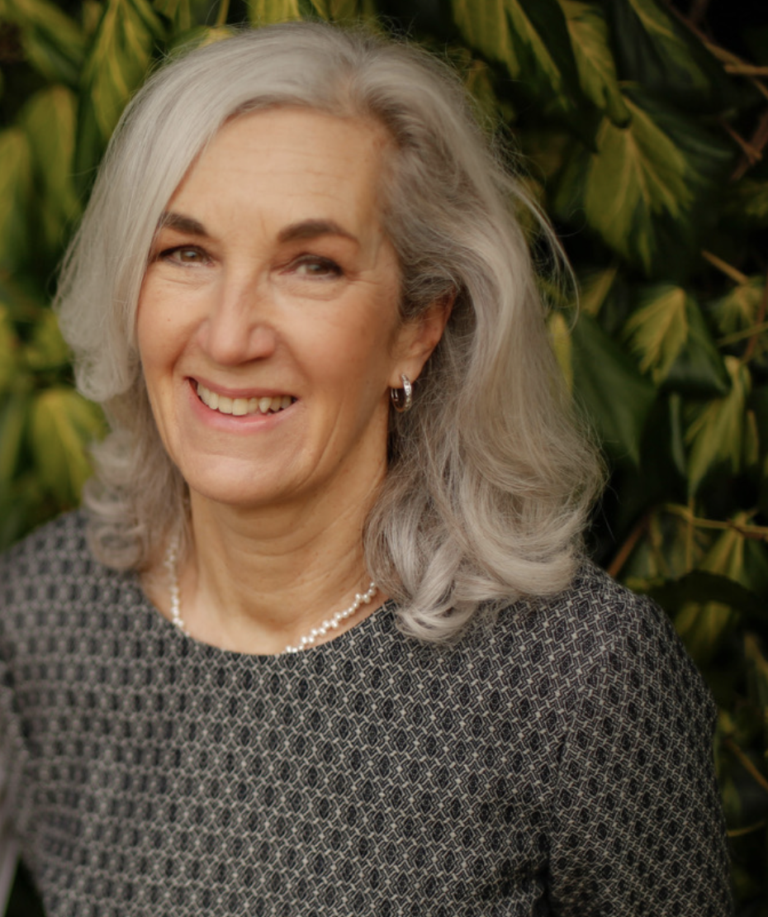
Gillian Lock
How Gillian works and who she can help: Gillian is registered as an Integrative Psychotherapist and works with adult, couple relationships…
View profile
Asselle Seitmagzimova
I offer a warm, holistic approach to therapy for sensitive, deep-feeling people who want to understand themselves more compassionately and…
View profileWhat to expect from ADHD therapy
ADHD therapy typically combines psychoeducation — learning about how ADHD works and how it affects you specifically — with practical strategies for everyday challenges. CBT-based approaches are particularly useful for procrastination, emotional dysregulation, and structuring tasks. Some therapists also focus on the emotional impact of living with undiagnosed ADHD for years: feelings of shame, chronic underachievement, or anxiety.
For those navigating ADHD in relationships, therapy can be invaluable — helping partners understand each other and develop more effective ways of communicating. Sessions may be more practical and structured than in other forms of therapy, or may flex depending on what works best for you.
Frequently Asked Questions
Do I need a diagnosis to have ADHD therapy?
No — you do not need a formal diagnosis to access therapy. Many people seek support based on recognised difficulties, whether or not they have been formally assessed. A good therapist can work with your experience regardless of diagnostic status.
Can therapy replace ADHD medication?
Therapy and medication are different tools that address different aspects of ADHD. Medication helps with symptom management; therapy addresses the psychological, emotional, and practical dimensions. Many people benefit from both. Your GP or psychiatrist can advise on medication.
How does therapy help with ADHD in relationships?
ADHD can create real friction in relationships — around forgetfulness, emotional intensity, and communication differences. Therapy helps both the individual with ADHD and their partner understand what is happening, develop practical strategies, and reduce blame and resentment.