
CBT is recommended by NICE for anxiety, depression, OCD, PTSD, and a range of other conditions. The therapists listed here are accredited CBT practitioners working in and around Forest Hill, SE23.
Therapy in Forest Hill
Forest Hill is a residential neighbourhood in south-east London, within the London Borough of Lewisham. It is known for the Horniman Museum and Gardens — a beloved local institution set in 16 acres of parkland — and has a growing independent cafe and arts scene. Forest Hill is served by train links to London Bridge and London Victoria, making it accessible from across south and central London.
What is CBT therapy?
Cognitive Behavioural Therapy — CBT — is a structured, evidence-based form of therapy that focuses on the relationship between thoughts, feelings, and behaviours. The core idea is that our thoughts influence how we feel, and our feelings influence how we behave. By identifying and challenging unhelpful thought patterns, we can change how we respond to difficult situations.
CBT is one of the most extensively researched therapies in existence, with strong evidence for anxiety, depression, OCD, PTSD, phobias, eating disorders, and more. It is typically a relatively short-term therapy — often completed in 6 to 20 sessions — and is recommended by NICE (the National Institute for Health and Care Excellence) as a first-line treatment for many conditions.

Mark Mahoney
I’m a BACP-registered integrative counsellor specialising in men’s mental health. I work with men who are overthinking…
View profile
Limor Tevet
I have experience working with a range of difficulties, from depression and low mood, anxiety and stress, to anger issues, trauma and…
View profile
caroline fuseau
I am an experienced couple psychotherapist and integrative psychotherapist working with adults. My approach is relational and focused on…
View profile
Tanya Poonawala
Therapy is a space for you and about you. It’s a space to understand yourself, explore self-awareness and self-regulation, and…
View profile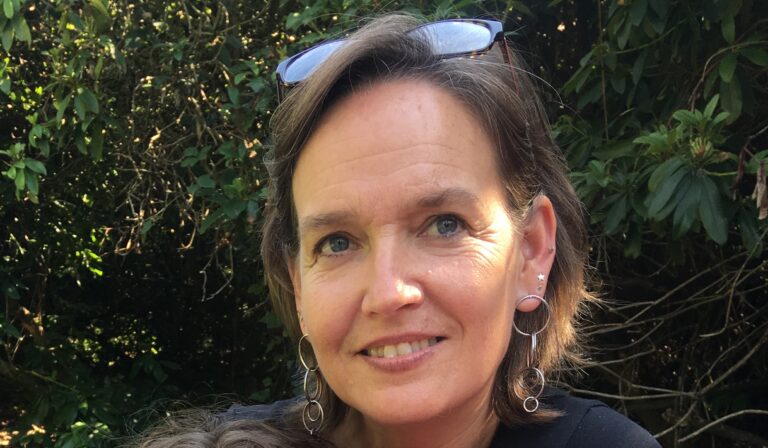
Jackie van Roosmalen
I started my professional journey as a creative arts therapist and I worked in community settings including residential homes, schools and…
View profile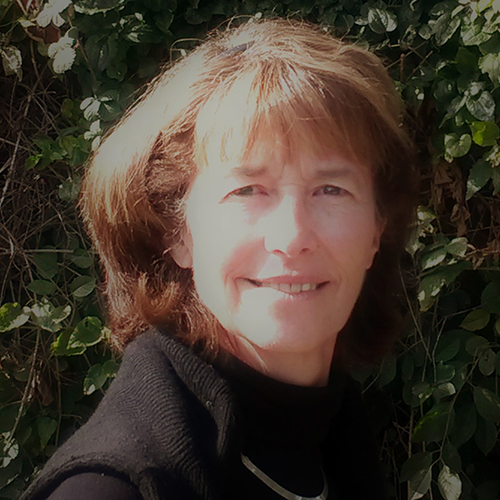
Katja Hajek
I am a Clinical Psychologist and therapist with many years of experience working both in the NHS and also privately. I have both experience…
View profile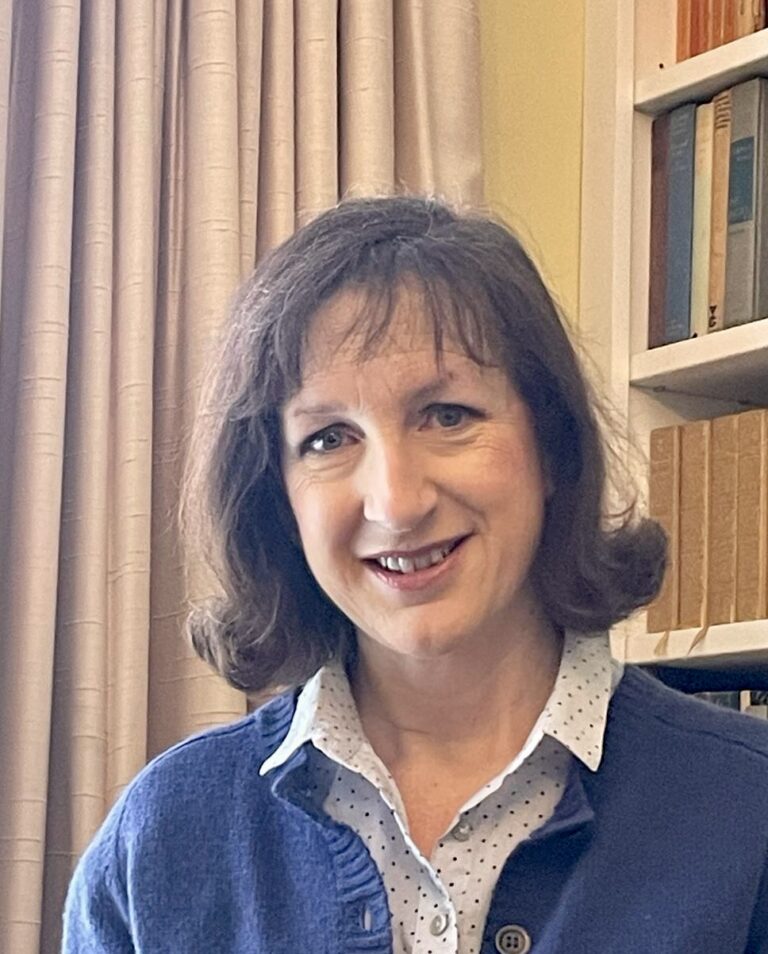
Virginia Craven
Talking things through with someone in a safe, private space who is not attached to your life in any other way can be helpful and…
View profile
Valerija But
I have extensive work experience in health/community settings and over 15 years in private practice. Approaches I draw from in my work…
View profile
Ben White
MBACP-accredited counsellor and psychotherapist based in East Dulwich, London SE22. He holds a Masters degree in Addiction Psychology and…
View profile
Victoria Gale
A qualified counsellor since 2019, she brings a warm, thoughtful approach grounded in nearly two decades as a primary school teacher. Her…
View profile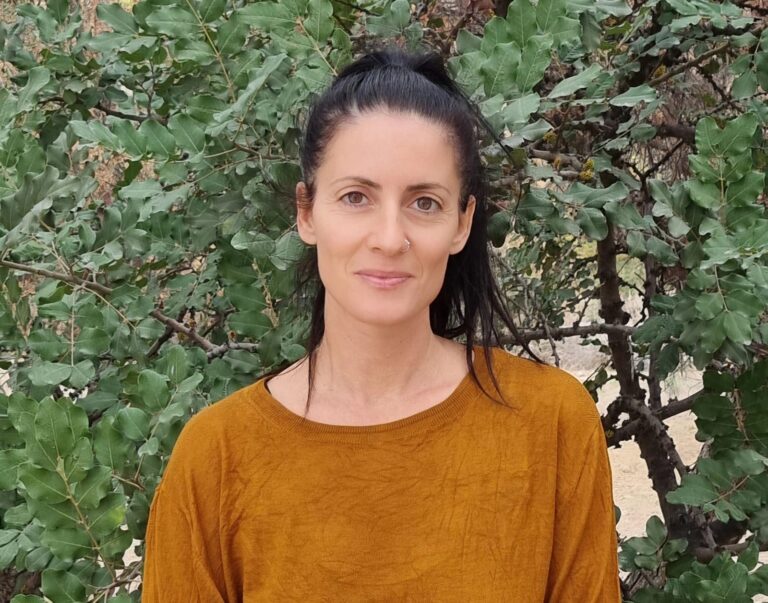
Christina Argyropoulou
I support adults experiencing a wide range of challenges, including anxiety, depression, trauma, chronic illness, relationship…
View profile
Philomena Chipman
MBACP Accredited counsellor and psychotherapist with over 22 years of experience working across mental health and education settings. She…
View profileWhat to expect from CBT therapy
CBT sessions are structured and goal-focused. You and your therapist will identify the specific problems you want to work on, and together explore the thoughts and behaviours connected to them. Between sessions, you will usually be given exercises or practices to try — this practical work is a core part of how CBT builds change over time.
A good CBT therapist will be practical and collaborative rather than directive. Over time, you will build a toolkit of skills for managing difficult thoughts and feelings more effectively — skills that remain useful long after therapy ends. CBT therapists accredited by the BABCP (British Association for Behavioural and Cognitive Psychotherapies) have completed rigorous specialist training.
Frequently Asked Questions
What conditions does CBT treat?
CBT has strong evidence for anxiety disorders, depression, OCD, PTSD, phobias, social anxiety, panic disorder, eating disorders, and health anxiety. It is also widely used for stress, low self-esteem, sleep difficulties, and anger management.
How is CBT different from other therapies?
CBT is more structured and present-focused than psychodynamic or psychoanalytic therapy. It focuses on current thought patterns and behaviours rather than exploring the past in depth. Both approaches have value — your therapist can help you decide which is likely to suit you best.
How many CBT sessions do I need?
NICE guidelines recommend 8 to 16 sessions for most anxiety and depression presentations. Some people find significant improvement in fewer sessions; others benefit from a longer course. Your therapist will review progress regularly and adjust accordingly.