
Looking for PTSD therapy in Crystal Palace? This page lists accredited trauma therapists offering evidence-based treatments including EMDR, somatic therapy, and trauma-focused CBT.
Therapy in Crystal Palace
Crystal Palace is a hilltop neighbourhood in south London, sitting at the borders of Bromley, Croydon, Lambeth, Lewisham, and Southwark. It is known for Crystal Palace Park, its creative community of artists and families, and a growing independent high street. The area is served by Overground and National Rail connections, making it accessible from central London and surrounding areas.
What is trauma therapy?
Trauma is a natural response to overwhelming or threatening experiences. It can follow a single event — such as an accident, assault, or sudden bereavement — or develop through sustained adversity such as childhood neglect, domestic abuse, or long-term illness. Post-Traumatic Stress Disorder (PTSD) develops when the brain and nervous system remain in a state of heightened threat long after the danger has passed.
Common experiences include flashbacks, nightmares, emotional numbing, hypervigilance, and strong avoidance of anything connected to the trauma. Trauma affects people differently, and it is important to work with a therapist who has specific training in trauma-informed approaches — therapy that moves too quickly or is not properly attuned can make things worse.

Limor Tevet
I have experience working with a range of difficulties, from depression and low mood, anxiety and stress, to anger issues, trauma and…
View profile
Valerija But
I have extensive work experience in health/community settings and over 15 years in private practice. Approaches I draw from in my work…
View profile
Tanya Poonawala
Therapy is a space for you and about you. It’s a space to understand yourself, explore self-awareness and self-regulation, and…
View profile
Victoria Gale
A qualified counsellor since 2019, she brings a warm, thoughtful approach grounded in nearly two decades as a primary school teacher. Her…
View profile
Matt Reid
BACP-accredited counsellor and clinical supervisor based at Health Hub London in Herne Hill, South London, offering both in-person and…
View profile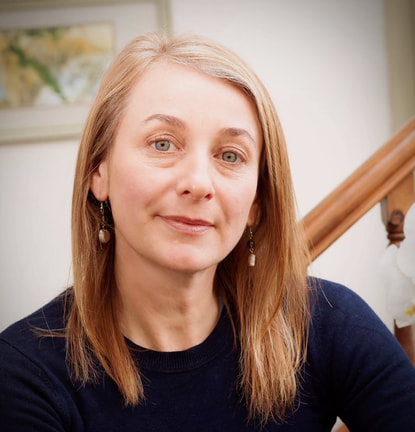
Tilly Hawkins
I am a registered counsellor and psychotherapist based in Tulse Hill, South East London, working with clients from Brixton, Herne Hill and…
View profile
Charlotte Constable
I’m a counsellor based in Streatham and Tooting in South West London, offering in-person, online, and telephone appointments. I provide a…
View profile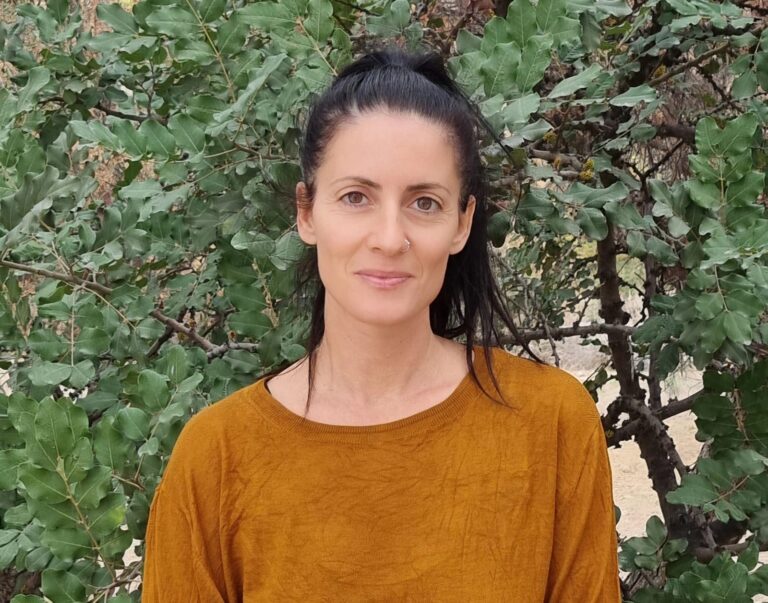
Christina Argyropoulou
I support adults experiencing a wide range of challenges, including anxiety, depression, trauma, chronic illness, relationship…
View profile
Louise Greene
I am a professionally trained integrative counsellor and psychotherapist with over 15 years’ experience, and an Accredited Member of the…
View profile
Lucie Nalletamby
I am a Clinical Psychologist with over a decade of experience working in the NHS and private practice. I have worked in the NHS since 2011…
View profile
Adijat Eniola Fetuga
My approach to therapy is collaborative, direct, and goal-oriented. I believe in empowering clients to take an active role in their…
View profile
Daniel Armitage
Qualified Integrative Counsellor and Psychotherapist offering individual therapy for adults online and in person in Peckham. Works from a…
View profileWhat to expect from trauma therapy
Trauma therapy is always paced carefully. Initial sessions focus on building trust, safety, and stability before approaching the traumatic material itself. Your therapist will never push you to revisit experiences before you are ready.
EMDR (Eye Movement Desensitisation and Reprocessing) is one of the most well-evidenced trauma treatments, helping the brain to process and integrate traumatic memories. Somatic therapy works with the body's responses, recognising that trauma is held in the nervous system as well as the mind. Trauma-focused CBT is another widely used approach. Progress in trauma therapy is not always linear, but most people experience meaningful relief over time.
Frequently Asked Questions
What is the difference between trauma and PTSD?
Trauma refers broadly to the psychological impact of overwhelming experiences. PTSD is a specific clinical diagnosis that occurs when trauma symptoms — including flashbacks, avoidance, and hyperarousal — persist for more than a month and significantly impact daily life. Both can be effectively treated with specialist therapy.
What is EMDR and does it work?
EMDR (Eye Movement Desensitisation and Reprocessing) is a structured therapy recommended by NICE for PTSD. It uses bilateral stimulation — often eye movements — while the person recalls traumatic memories, helping the brain to reprocess them. Research strongly supports its effectiveness.
How long does trauma therapy take?
This varies considerably depending on the complexity and duration of the trauma. Some people find significant relief in 8 to 12 sessions of focused trauma therapy. Complex or childhood trauma usually requires a longer course of work. Your therapist will give you a realistic sense of timescales after an initial assessment.