
Whether you are navigating a difficult period in your relationship, processing a breakup, or working through patterns that repeat across relationships, qualified support is available in Camberwell.
Therapy in Camberwell
Camberwell is a vibrant, diverse neighbourhood in south London, within the London Borough of Southwark. Home to Camberwell College of Arts and a busy, characterful high street, it has a strong creative identity alongside a close-knit community. Camberwell is well-served by buses and lies close to Denmark Hill, Peckham, and Brixton, making it accessible from across south and central London.
What is relationship therapy?
Relationship difficulties are one of the most common reasons people seek therapy — whether they come alone or with a partner. They can range from recurring arguments and communication breakdowns to emotional distance, trust issues, or the lingering effects of an affair or betrayal.
Sometimes there is no dramatic event — just a gradual growing apart, or a persistent sense that real connection has been lost. Individual therapy for relationship issues can be just as valuable as couples therapy — it helps you understand your own patterns, what you bring to relationships, and what you genuinely need.
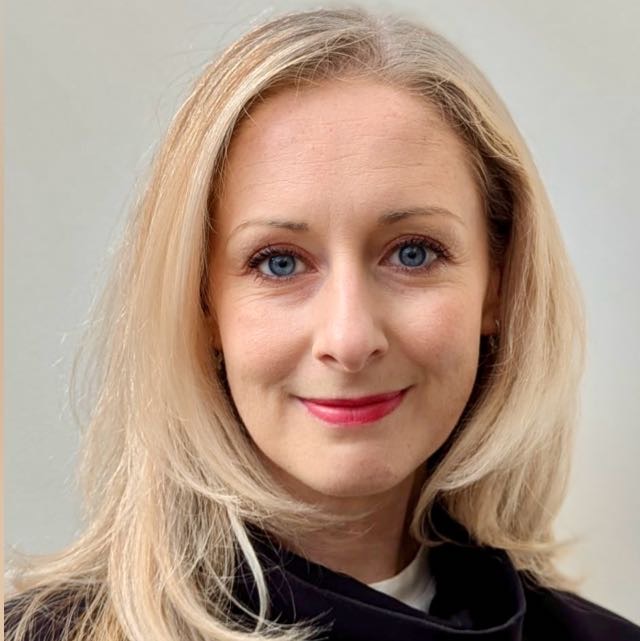
Dr Claire Tobin
Many of the difficulties we experience in adulthood can be shaped by early relationships and experiences. I am a Senior Clinical…
View profile
Louise Greene
I am a professionally trained integrative counsellor and psychotherapist with over 15 years’ experience, and an Accredited Member of the…
View profile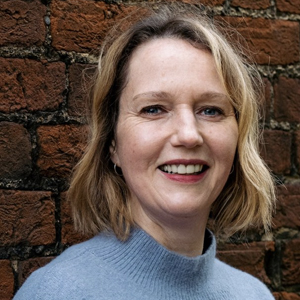
Katherine Watt
I’m a warm, perceptive and experienced therapist, trained in the person-centred approach. Person-centred counselling offers a supportive…
View profile
Caroline Brown
With a background in psychodynamic, person-centred, and mindfulness-based therapies, I specialise in supporting adults who are navigating…
View profile
Adijat Eniola Fetuga
My approach to therapy is collaborative, direct, and goal-oriented. I believe in empowering clients to take an active role in their…
View profile
Arran Thomas
I find seeking therapy usually starts with seeds of hope. Hope for things to change, to become ‘unstuck’, to have understanding, to find…
View profile
Daisy Marsh
I am a dedicated therapist with experience in both online and face-to-face counselling. My focus lies in offering personalised support and…
View profile
Daniel Armitage
Qualified Integrative Counsellor and Psychotherapist offering individual therapy for adults online and in person in Peckham. Works from a…
View profile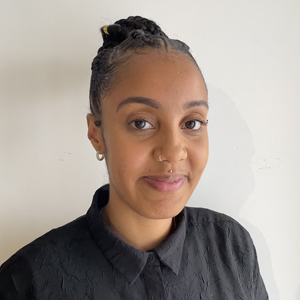
Dominique Frater
I am an integrative counsellor and a member of the BACP, with a Diploma in Therapeutic Counselling and experience working within the NHS…
View profile
Helen Osgerby
I am a fully qualified integrative counsellor and a registered member of the BACP, working within its ethical framework. I offer a safe…
View profile
James Andrewes
I am an HCPC-registered counselling psychologist with ten years’ experience across a range of NHS mental health settings. My work is…
View profile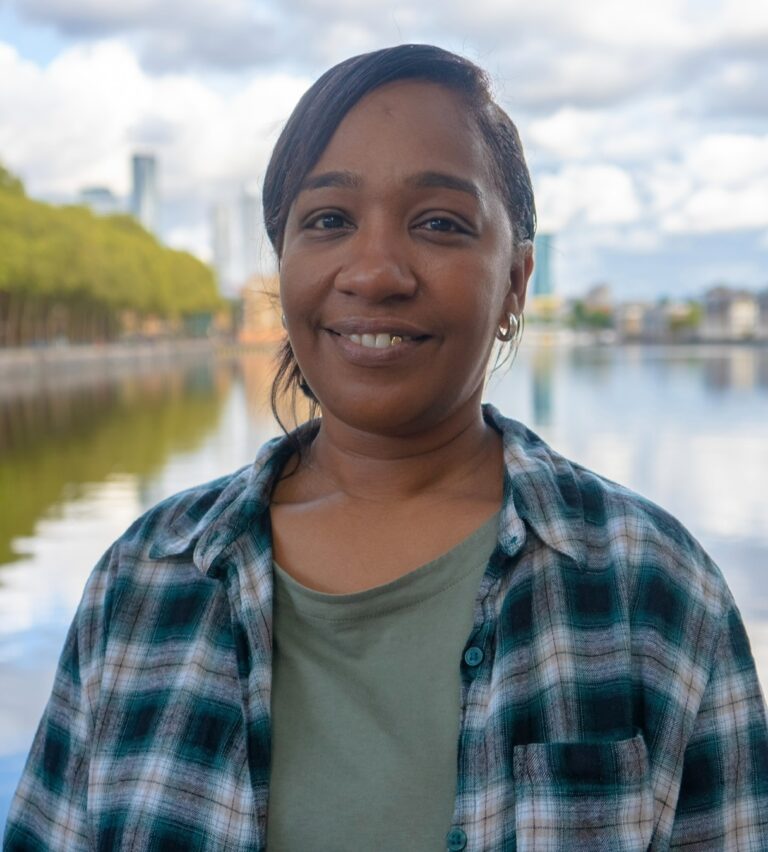
Laveen Smith
Supporting adults one-to-one with self-esteem, relationships and life changes.
View profileWhat to expect from relationship therapy
Relationship therapy — whether individual or with a partner — typically begins with an exploration of current patterns: what tends to happen, how each person responds, and what has been tried so far. From there, the work goes deeper: exploring early attachment experiences, the models of relationship formed in childhood, and the hopes and fears that shape behaviour in intimate relationships.
Attachment-based approaches, psychodynamic therapy, and emotionally focused therapy are all commonly used. Progress in relationship therapy often feels non-linear — things sometimes feel harder before they feel better, as honest communication replaces silence or avoidance.
Frequently Asked Questions
Should I do individual or couples therapy for relationship issues?
Both are valuable. Individual therapy helps you understand your own patterns, what you bring to relationships, and what you need. Couples therapy brings both partners into a supported dialogue. Many people do individual therapy first, then couples therapy, or both simultaneously with different therapists.
Can therapy help after an affair?
Yes — therapy can be enormously helpful after a betrayal, whether the aim is to rebuild the relationship or to process what has happened and find a way forward. Both couples therapy and individual therapy are useful. Rebuilding trust takes time, but many couples do recover from affairs with the right support.
What if my partner refuses to come to therapy?
You can still benefit significantly from individual therapy. Understanding your own patterns and needs is valuable regardless of whether your partner is involved. Individual therapy may also help you decide what you want, and sometimes partners become open to joining later.