
Whether you are navigating a difficult period in your relationship, processing a breakup, or working through patterns that repeat across relationships, qualified support is available in Dulwich.
Therapy in Dulwich
Dulwich encompasses several distinct neighbourhoods in south London — East Dulwich, West Dulwich, and Dulwich Village — each with its own character. The wider area is known for its green spaces, including Dulwich Park and the grounds of Dulwich College. It is a sought-after residential area with strong transport links to central London via both train and bus.
What is relationship therapy?
Relationship difficulties are one of the most common reasons people seek therapy — whether they come alone or with a partner. They can range from recurring arguments and communication breakdowns to emotional distance, trust issues, or the lingering effects of an affair or betrayal.
Sometimes there is no dramatic event — just a gradual growing apart, or a persistent sense that real connection has been lost. Individual therapy for relationship issues can be just as valuable as couples therapy — it helps you understand your own patterns, what you bring to relationships, and what you genuinely need.
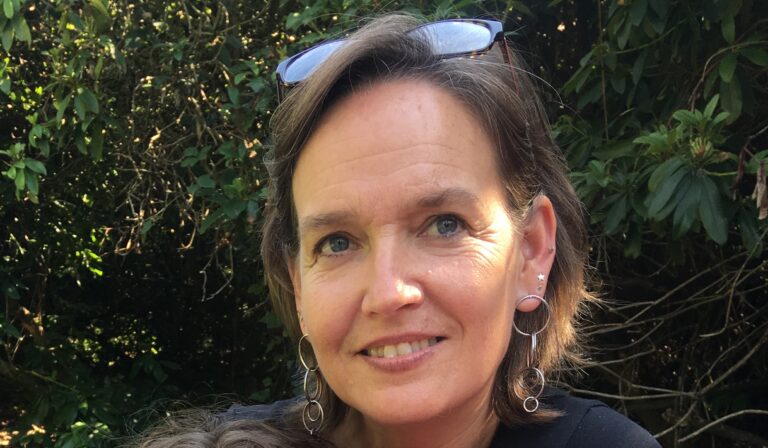
Jackie van Roosmalen
I started my professional journey as a creative arts therapist and I worked in community settings including residential homes, schools and…
View profile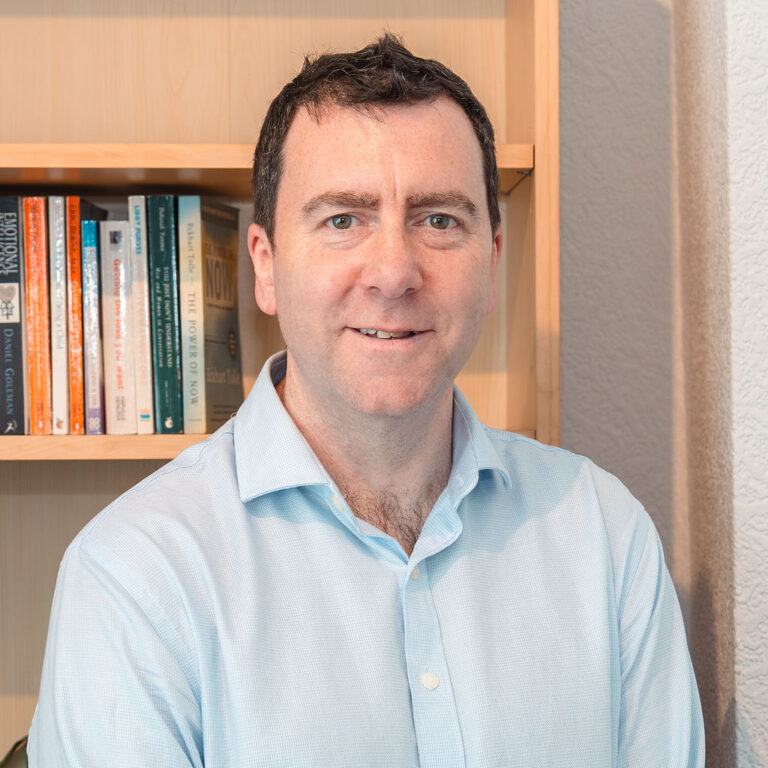
Mark Mahoney
I’m a BACP-registered integrative counsellor specialising in men’s mental health. I work with men who are overthinking…
View profile
Limor Tevet
I have experience working with a range of difficulties, from depression and low mood, anxiety and stress, to anger issues, trauma and…
View profile
Ben White
MBACP-accredited counsellor and psychotherapist based in East Dulwich, London SE22. He holds a Masters degree in Addiction Psychology and…
View profile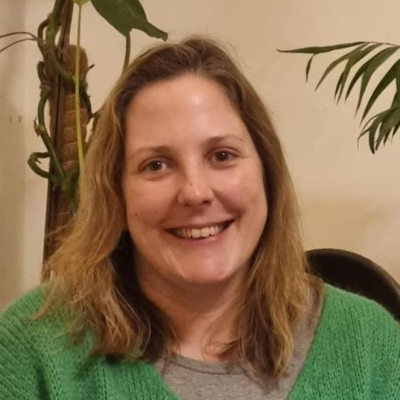
Victoria Gale
A qualified counsellor since 2019, she brings a warm, thoughtful approach grounded in nearly two decades as a primary school teacher. Her…
View profile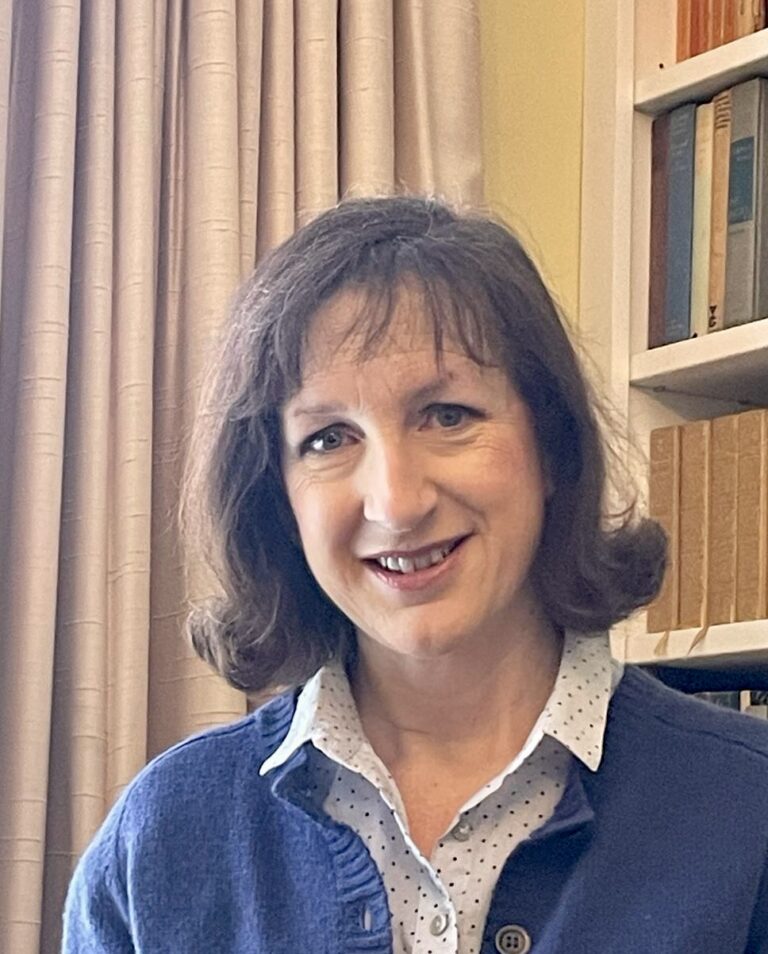
Virginia Craven
Talking things through with someone in a safe, private space who is not attached to your life in any other way can be helpful and…
View profile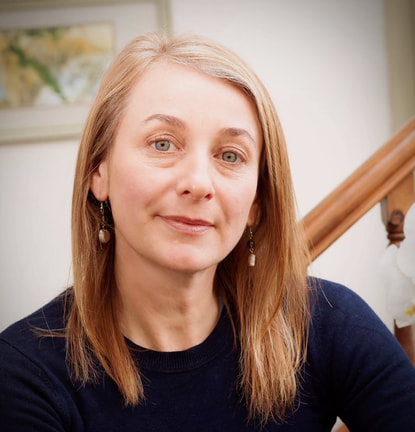
Tilly Hawkins
I am a registered counsellor and psychotherapist based in Tulse Hill, South East London, working with clients from Brixton, Herne Hill and…
View profile
Valerija But
I have extensive work experience in health/community settings and over 15 years in private practice. Approaches I draw from in my work…
View profile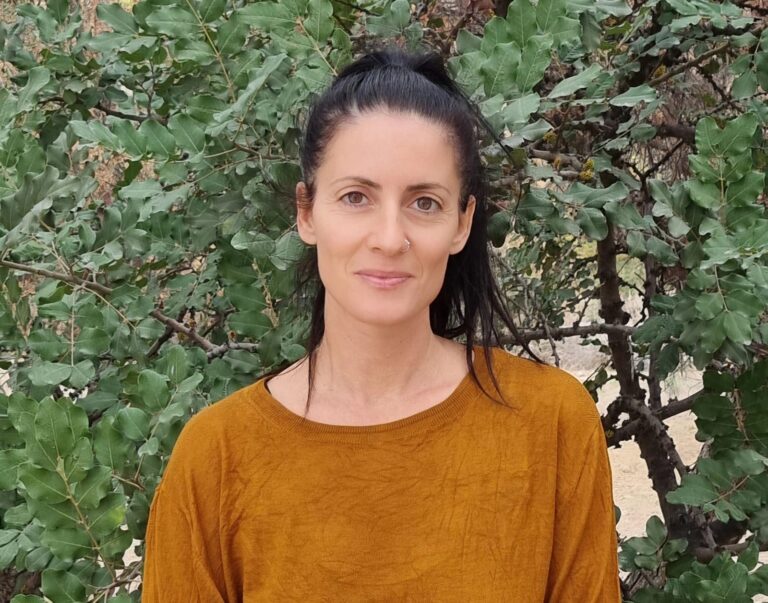
Christina Argyropoulou
I support adults experiencing a wide range of challenges, including anxiety, depression, trauma, chronic illness, relationship…
View profile
Matt Reid
BACP-accredited counsellor and clinical supervisor based at Health Hub London in Herne Hill, South London, offering both in-person and…
View profile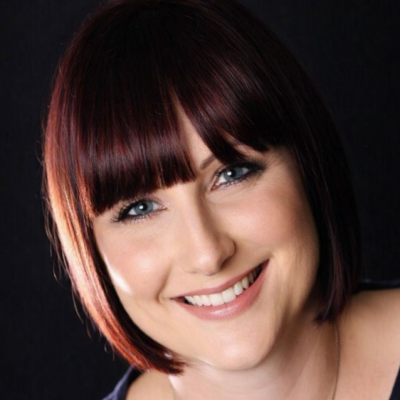
Louise Greene
I am a professionally trained integrative counsellor and psychotherapist with over 15 years’ experience, and an Accredited Member of the…
View profile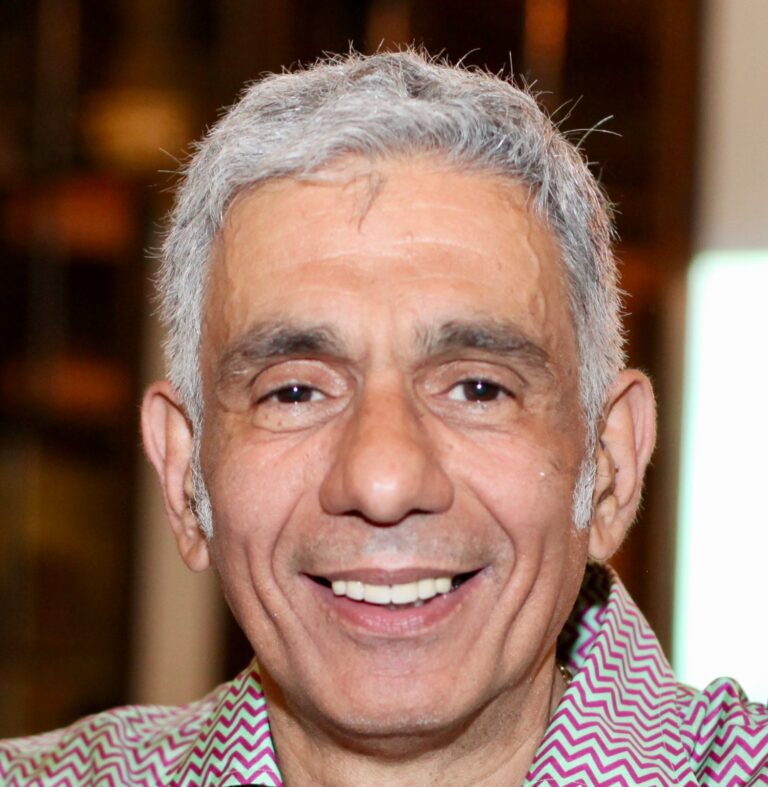
Tolis Marinos
MBACP-registered Gestalt counsellor and psychotherapist with over 30 years of experience supporting people through life changes. He holds a…
View profileWhat to expect from relationship therapy
Relationship therapy — whether individual or with a partner — typically begins with an exploration of current patterns: what tends to happen, how each person responds, and what has been tried so far. From there, the work goes deeper: exploring early attachment experiences, the models of relationship formed in childhood, and the hopes and fears that shape behaviour in intimate relationships.
Attachment-based approaches, psychodynamic therapy, and emotionally focused therapy are all commonly used. Progress in relationship therapy often feels non-linear — things sometimes feel harder before they feel better, as honest communication replaces silence or avoidance.
Frequently Asked Questions
Should I do individual or couples therapy for relationship issues?
Both are valuable. Individual therapy helps you understand your own patterns, what you bring to relationships, and what you need. Couples therapy brings both partners into a supported dialogue. Many people do individual therapy first, then couples therapy, or both simultaneously with different therapists.
Can therapy help after an affair?
Yes — therapy can be enormously helpful after a betrayal, whether the aim is to rebuild the relationship or to process what has happened and find a way forward. Both couples therapy and individual therapy are useful. Rebuilding trust takes time, but many couples do recover from affairs with the right support.
What if my partner refuses to come to therapy?
You can still benefit significantly from individual therapy. Understanding your own patterns and needs is valuable regardless of whether your partner is involved. Individual therapy may also help you decide what you want, and sometimes partners become open to joining later.
How much does relationship counselling cost in Dulwich?
Across the therapists listed on The Therapist Finder, the median fee is £85 a session, with most charging between £70 and £110. Relationship sessions often cost more than individual ones and usually run longer, from 60 to 90 minutes, so ask about both the fee and the length when you enquire. Our UK therapy cost breakdown sets out median fees by therapist type and region.
What happens in a first relationship counselling session?
The first session is mostly about understanding. Your therapist will ask what has brought you both, how long things have felt difficult, and what each of you hopes for. You will not be expected to resolve anything on the day. It is also your chance to see whether this therapist feels like the right fit for you as a couple.
Can we have relationship counselling online?
Yes. Many Dulwich therapists offer online sessions alongside in person ones. Online suits couples juggling work and childcare, though some therapists like to meet in the room at least once. Where you can, sit together for online sessions rather than joining separately.