
Relationship counselling in North London is available from a range of qualified practitioners working across the area. These therapists work with individuals and couples on communication, trust, conflict, and other relationship difficulties.
Therapy in North London
North London encompasses a wide range of neighbourhoods including Islington, Camden, Hackney, Stoke Newington, Highgate, Crouch End, Finsbury Park, and Hampstead. It is home to a diverse mix of communities, from the busy commercial areas around Islington and Camden Town to the quieter residential streets of Highgate and Hampstead. Therapy seekers across north London can access a wide range of practitioners locally or online.
What is relationship therapy?
Relationship difficulties are one of the most common reasons people seek therapy — whether they come alone or with a partner. They can range from recurring arguments and communication breakdowns to emotional distance, trust issues, or the lingering effects of an affair or betrayal.
Sometimes there is no dramatic event — just a gradual growing apart, or a persistent sense that real connection has been lost. Individual therapy for relationship issues can be just as valuable as couples therapy — it helps you understand your own patterns, what you bring to relationships, and what you genuinely need.

Aashima Aggarwal
I can help you understand what is happening beneath the anxiety, stress or emotional overwhelm you may be experiencing, and support you in…
View profile
Lesley Kollikho
My approach is trauma-informed and integrative, drawing on psychodynamic, relational, somatic, and existential perspectives. I believe that…
View profile
Ophra Gilead
I offer a safe, non-judgemental space where you can explore what is troubling you and begin to understand your difficulties more clearly. I…
View profile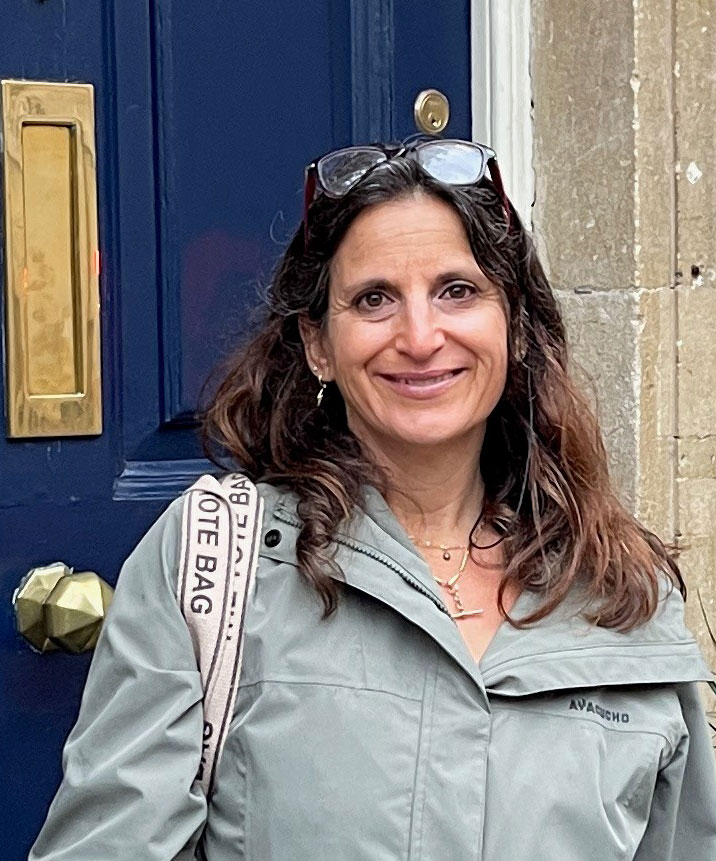
Tanya Gordon
UKCP registered and MBACP Accredited psychotherapist with an MA in psychotherapy, specialising in work with children, adolescents, and…
View profile
Edoardo Zollo
With over 19 years of experience helping individuals and a strong background in couples counselling, I am here to support you in addressing…
View profile
Nicol Batra
Mid-life wondering, men’s issues, depression, anger, fear and shame. Specialisms in addiction, suicidality, male identity issues…
View profile
Filiz Yilmaz
Living between cultures can be enriching, but it can also leave you feeling lost, disconnected or unsure where you belong. I am a BACP…
View profile
Ian Michie
20 years experience working across the NHS, addiction services and private practice
View profile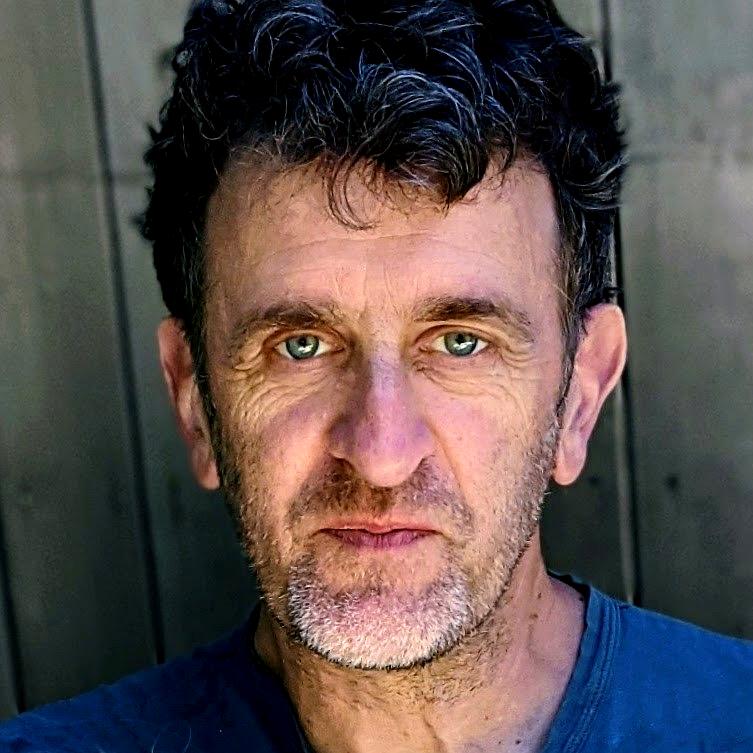
Stephan Fowler
I work with adults (18+) struggling with anxiety, depression, relationships, or loss. These are very broad terms; your reason for seeking…
View profile
Charlotte Bevan
I am a qualified Psychotherapeutic Counsellor and registered member of the British Association for Counselling and Psychotherapy (MBACP)…
View profile
Ben Osborne
I have been practicing for the last 5 years. I work both in-person and remotely on a variety of platforms. In addition to my private…
View profile
Adam Lawrence-Rodriguez
Couples often come to therapy when they feel stuck in the same arguments, emotionally distant, unsure how to reconnect, or when trust has…
View profileWhat to expect from relationship therapy
Relationship therapy — whether individual or with a partner — typically begins with an exploration of current patterns: what tends to happen, how each person responds, and what has been tried so far. From there, the work goes deeper: exploring early attachment experiences, the models of relationship formed in childhood, and the hopes and fears that shape behaviour in intimate relationships.
Attachment-based approaches, psychodynamic therapy, and emotionally focused therapy are all commonly used. Progress in relationship therapy often feels non-linear — things sometimes feel harder before they feel better, as honest communication replaces silence or avoidance.
Frequently Asked Questions
Should I do individual or couples therapy for relationship issues?
Both are valuable. Individual therapy helps you understand your own patterns, what you bring to relationships, and what you need. Couples therapy brings both partners into a supported dialogue. Many people do individual therapy first, then couples therapy, or both simultaneously with different therapists.
Can therapy help after an affair?
Yes — therapy can be enormously helpful after a betrayal, whether the aim is to rebuild the relationship or to process what has happened and find a way forward. Both couples therapy and individual therapy are useful. Rebuilding trust takes time, but many couples do recover from affairs with the right support.
What if my partner refuses to come to therapy?
You can still benefit significantly from individual therapy. Understanding your own patterns and needs is valuable regardless of whether your partner is involved. Individual therapy may also help you decide what you want, and sometimes partners become open to joining later.