


Therapy for Low Self-Esteem: How to Find the Right Support and Begin to Heal
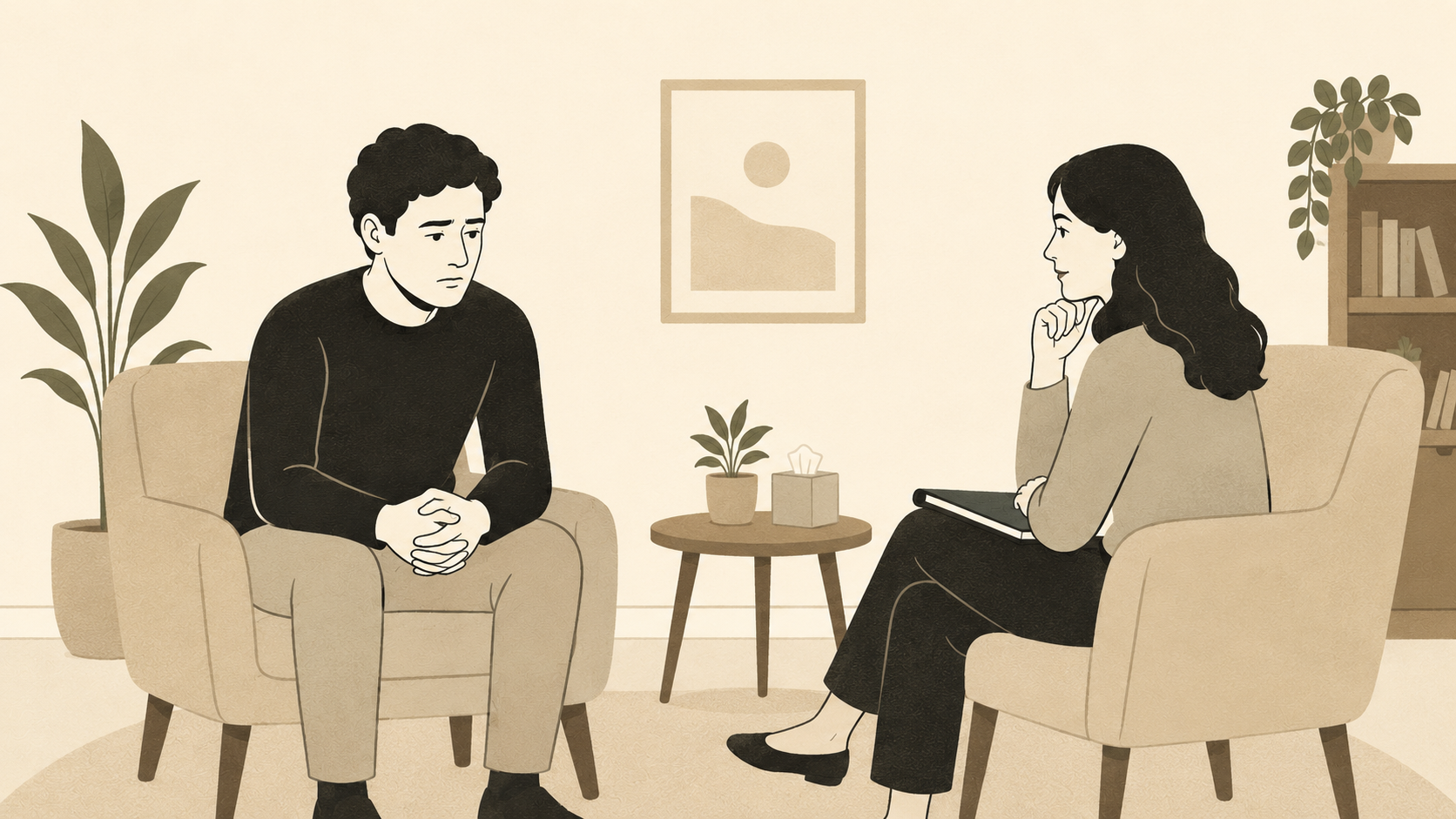
Therapy for low self-esteem is something that many people in the UK quietly consider for months, or even years, before they take action. If you have spent a long time feeling fundamentally not good enough, doubting your worth, or struggling to believe that you deserve good things, you are far from alone. Therapy for low self-esteem means working with a trained professional to understand where those feelings come from and, gradually, to change them at the root.
Low self-esteem is not a personality flaw or a sign of weakness. It is a learned pattern, usually formed in response to early experiences, and it can be unlearned with the right support.
What follows is an honest, practical guide to understanding low self-esteem and finding the help that can genuinely make a difference.
Why Low Self-Esteem Is So Common and So Difficult to Shift
Where Low Self-Esteem Comes From
Low self-esteem rarely appears from nowhere. It tends to develop in response to experiences that taught us, often at a very young age, that we were somehow less than, inadequate, or unwanted. This might have come from critical or emotionally unavailable parents, bullying at school, difficult family dynamics, or repeated experiences of failure or rejection during formative years.
These early messages can become deeply embedded beliefs: “I am not clever enough,” “I am too much,” “I do not deserve to be happy.” Over time, those beliefs shape how we interpret everything that happens to us, often in ways that confirm what we already fear about ourselves.
The Pressure of Modern Life in the UK
Living in the UK today adds its own particular weight. Social media creates a relentless backdrop of comparison, where everyone else appears to be thriving, achieving, and belonging. The cost of living crisis has left many people feeling financially precarious, which can deepen a sense of personal failure even when circumstances are entirely outside individual control.
In many communities across the UK, particularly those shaped by cultural expectations around stoicism, family honour, or professional success, admitting to low self-worth can feel like a dangerous vulnerability. This can mean that the internal experience is entirely hidden from the people around you, making the loneliness of low self-esteem even more acute.
According to Mind, low self-esteem is closely linked to anxiety, depression, and difficulties in relationships, and it can affect every area of a person’s life when left unaddressed.
Why It Does Not Simply Resolve on Its Own
Many people hope that achievement, relationships, or time will eventually resolve low self-esteem. Occasionally it does shift with life experience, but more often the underlying beliefs remain intact, simply waiting for the next difficulty to confirm them. Therapy offers something that time alone cannot: a structured space to examine and genuinely change those beliefs.
Understanding Therapy for Low Self-Esteem: What Actually Helps
Step One: Recognising the Patterns That Keep Low Self-Esteem in Place
The first task in therapy for low self-esteem is often becoming aware of the specific thought patterns and behaviours that maintain it. These might include constant self-criticism, dismissing compliments, avoiding situations where failure feels possible, or seeking reassurance from others without ever quite believing it. A skilled psychotherapist will help you map these patterns without judgement.
This awareness alone can be significant. Many people have lived so long inside these patterns that they have come to feel like facts about themselves, rather than learned responses that can be questioned and changed.
Step Two: Understanding the Origins
Most effective therapy for low self-esteem involves, at some point, understanding where the core beliefs came from. This is not about blame or dwelling in the past for its own sake. It is about recognising that a child who was repeatedly criticised, or who never received consistent warmth and encouragement, would naturally conclude something was wrong with them. That conclusion made sense then. It no longer needs to be true now.
Psychodynamic and attachment-based approaches are particularly well-suited to this kind of exploratory work, helping adults to understand the relational roots of how they see themselves.
Step Three: Choosing the Right Therapeutic Approach
Different therapeutic models address low self-esteem in different ways, and the right approach depends on the individual. Cognitive behavioural therapy (CBT) is one of the most widely researched options, helping people to identify and challenge the negative automatic thoughts that sustain low self-worth. The NHS describes CBT as an effective treatment for a range of mental health difficulties, including those rooted in negative self-perception.
Schema therapy goes deeper, addressing the long-held core beliefs, or schemas, that developed in childhood and continue to drive self-defeating patterns in adult life. It is particularly effective when low self-esteem is entrenched or linked to difficult early experiences.
Person-centred counselling offers a different kind of support, one built on unconditional positive regard from the therapist. For people whose self-esteem was damaged by experiences of conditional acceptance or harsh criticism, the experience of being genuinely accepted by another person can itself be therapeutic.
Step Four: Finding a Verified, Qualified Practitioner
In the UK, therapy is not a fully regulated profession, which means it is important to seek out a counsellor or psychotherapist who holds recognised qualifications and is registered with a professional body. The British Association for Counselling and Psychotherapy (BACP) and the UK Council for Psychotherapy (UKCP) both maintain registers of qualified practitioners who are bound by professional ethical standards.
The Therapist Finder lists only verified professionals, with each practitioner’s qualifications confirmed before they appear in the directory. This means you can search with confidence, knowing that the private therapist you contact holds the credentials they claim.
Step Five: Committing to the Process
Therapy for low self-esteem is not a passive experience. It asks something of you between sessions as well as within them. Reflecting on what comes up, noticing your patterns in daily life, and practising new ways of relating to yourself all contribute to the work. Progress is rarely linear, and there will be sessions that feel harder than others.
Most people engaged in structured therapy for low self-esteem begin to notice meaningful shifts within several months. For those working through more complex or long-standing difficulties, longer-term counselling provides the sustained support that deeper change often requires.
How a Psychotherapist Can Help You Go Further Than Self-Help
There is a great deal of useful information available about low self-esteem, and much of it is genuinely helpful as a starting point. But reading about self-worth and actually experiencing a shift in how you feel about yourself are very different things.
A qualified psychotherapist or counsellor offers something that no book or article can provide: a consistent, attuned relationship in which you are genuinely met, week after week, without judgement. For many people with low self-esteem, this experience of being seen and accepted, over time, becomes part of what changes their relationship with themselves.
Therapy in the UK is now more accessible than it has ever been, with many practitioners offering online sessions alongside in-person work. This means that whether you live in a city or a rural area, and regardless of your schedule, finding the right counsellor is a realistic and achievable step.
Frequently Asked Questions About Therapy for Low Self-Esteem
What type of therapy is best for low self-esteem?
Several approaches have good evidence for treating low self-esteem, including CBT, schema therapy, and person-centred counselling. The best approach depends on your individual history and what feels right for you. A qualified psychotherapist will discuss the options with you before you begin.
How long does therapy for low self-esteem take to work?
This varies depending on the person and the depth of the difficulty. Some people notice meaningful change within 12 to 20 sessions of structured therapy such as CBT. Others benefit from longer-term work, particularly where low self-esteem is connected to complex early experiences. Your therapist will help you think about what is realistic for your situation.
Can therapy really change how I feel about myself?
Yes. The beliefs that underpin low self-esteem are learned, which means they can be examined and changed with the right support. This is not about becoming someone different. It is about developing a more accurate and kinder relationship with who you already are. Many people who have struggled for years describe therapy as the first time that genuine change felt possible.
You Do Not Have to Keep Feeling This Way
Low self-esteem can feel so familiar that it is hard to imagine life without it. But the way you feel about yourself now is not fixed, and it is not the full truth of who you are. With the right therapeutic support, it is possible to build a genuinely different relationship with yourself, one grounded in reality rather than in old, inherited beliefs.
If you are ready to take that step, The Therapist Finder can help you find a verified psychotherapist or counsellor who specialises in self-esteem and related difficulties. Every profile in the directory includes the practitioner’s specialisms, session fees, and current availability, so you can make an informed choice from the start.
Ready to find the right support? Find a therapist now.