

Written by Luisa Kos
Table of contents


Understanding trauma & PTSD
Trauma refers to the emotional response to a deeply distressing or disturbing event. It can be caused by a single incident, such as an accident or assault, or develop over time from prolonged exposure to stress, like childhood neglect or abusive relationships.
Post-Traumatic Stress Disorder (PTSD) is a condition that can develop after experiencing or witnessing trauma. It affects how the brain processes memories, emotions, and stress, often leading to distressing symptoms that interfere with daily life.
Common symptoms of trauma & PTSD
Everyone responds to trauma differently, but common symptoms include:
- Flashbacks or intrusive memories
- Nightmares and sleep disturbances
- Avoidance of people, places, or situations that trigger distressing memories
- Feeling constantly on edge, irritable, or easily startled
- Emotional numbness or detachment from loved ones
- Difficulty concentrating or feeling overwhelmed by emotions
The impact of trauma on mental health
Untreated trauma can have a long-term impact on mental and physical health. It may contribute to anxiety, depression, substance use, and relationship difficulties. Some people also develop complex PTSD (C-PTSD), which involves more persistent emotional and behavioural challenges.
Getting help for trauma & PTSD
Recovery from trauma is possible with the right support. Therapy can help process difficult emotions, reduce distressing symptoms, and develop healthy coping strategies. Common approaches include:
- Trauma-Focused Cognitive Behavioural Therapy (TF-CBT) – Helps reframe negative thought patterns linked to trauma.
- Eye Movement Desensitisation and Reprocessing (EMDR) – A structured therapy that helps the brain reprocess traumatic memories.
- Somatic therapy – Focuses on the body’s response to trauma, helping release stored tension.
- Mindfulness & self-regulation techniques – Reduces stress and promotes emotional stability
PTSD can develop immediately after someone experiences a disturbing event, or it can occur weeks, months or even years later.
NHS
Find a trauma therapist
Therapists who can help with Trauma and PTSD

Michaela Stansfield
I work with women at all life stages who may be struggling with life transitions, feeling stressed, burnt out or like they’ve lost themselves. I have experience working within a domestic abuse charity, a low cost counselling service as well as private practice. In addition to my core training as an Integrative Counsellor, I have undertaken additional specialist training and experience working with perinatal issues, matrescence (the process of becoming a mother) and the often conflicting feelings that come with this, pregnancy and baby loss, bereavement and trauma.

Dr Elisabetta Romani
Hello and welcome to “You Matter Therapy Space”, a calm and supportive setting where change happens—one session at a time! Are you experiencing feelings of emptiness or a lack of purpose and meaning? Perhaps you struggle to find your voice, or you can’t think clearly and compassionately about yourself. Often individuals seek counselling to address specific problems, but at times they desire to understand themselves better, both in terms of internal processes and in relation to others. You may lead a good enough life, but still feel the desire to change certain aspects which are causing you some distress. In a warm and non-judgemental space I will listen to you very carefully and help you uncover meanings, whilst reflecting on your patterns and choices.

Atefeh Mehraein
I can help you work through anxiety and the depression that often accompanies it, OCD, relationship difficulties weighing on you, unresolved past trauma, loss, low self-esteem, or feeling stuck in recurring patterns. You might be finding yourself caught in the same situations despite wanting things to be different. You may have some understanding of why this happens but find that understanding alone doesn’t seem to change it. Beginning therapy can feel like a significant step, and it is not always easy to know where to start. I usually recommend an initial consultation, which gives us the opportunity to think together about what has brought you to therapy, what you are hoping for, and whether psychodynamic psychotherapy feels like the right approach for you. Psychodynamic psychotherapy offers a space to speak openly about whatever is on your mind. Through putting thoughts and feelings into words, it is possible for new understandings of yourself to emerge. Over time, this process can bring about meaningful internal shifts, helping you to recognise recurring patterns, understand the origins of emotional difficulties, and relate differently to yourself and others. While our past experiences often continue to influence the way we think, feel, and relate to others, therapy is not only concerned with the past. We also pay close attention to what is happening in your life now, including what may arise within the therapeutic relationship itself. Exploring these experiences together can help us understand difficulties more deeply and create the possibility for lasting change.

Ophra Gilead
I offer a safe, non-judgemental space where you can explore what is troubling you and begin to understand your difficulties more clearly. I work with individuals and couples experiencing relationship issues, bereavement and loss, family difficulties, infertility, difficult childhood experiences, and major life or cultural changes.

Virginia Craven
Talking things through with someone in a safe, private space who is not attached to your life in any other way can be helpful and restorative. Blocking out the noise of everyday life and being heard can bring clarity make a change.

Dr. Leah Jameson
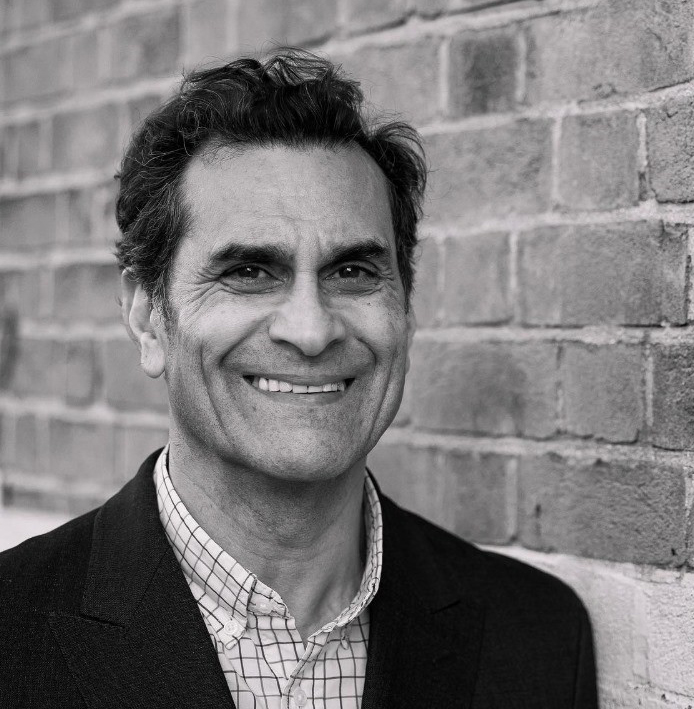
There is no bar of entry for therapy. It is not a trauma olympics. You do not need multiple or extreme experiences to “qualify” for support from a specialist psychologist. Your child self did what it needed to do to get you here. It survived something deeply difficult, a betrayal, and now part of you may want to minimise, forget, or suppress what is still being triggered in the present. I understand the confusion that can come with this. The gaps in childhood memory, or the opposite, remembering too much. The flashbacks. The sights and sounds that feel immediate and real. These are different sides of the same trauma response. Your child self adapted to survive. Now you are left trying to live with the impact. What you bring to therapy matters.These were negative sexual experiences that happened during your most vulnerable stage of life. They happened when you were a child. I will not ask you to forgive or forget. Your child self has already done enough of that to survive. What I offer is a space where you can remember safely, and begin to process what has been held for so long.
Saidat Khan
I am a qualified psychotherapist, who specialises in addictions, psychosexual and relationships and trauma – using Eye Movement Desensitisation Reprocessing (EMDR) technique. I also work general clinical issues: with anxiety, low mood, work related stress. I support clients in understanding the links between their thoughts, emotions, and behaviours, and in developing practical strategies to manage distress and create lasting change. A significant part of my work focuses on sex addiction, pornography use, alcohol and drug dependency, as well as the impact these can have on relationships, including infidelity, loss of trust, and sexual dysfunctions.

Emma Malone
I work integratively – tailoring sessions to what best serves your individual needs. My core training is rooted in Psychodynamic Therapy — which means I’m interested in your unconscious processes and beliefs, with a focus on the past, and often early experiences. The idea is that these have shaped how you think, feel, and relate to yourself and others today – and this understanding helps us to work through difficult emotions, unresolved conflicts, and patterns of behaviour that may be holding you back. At the same time, I draw on more behavioural based ways of working such as CBT where we will take a more active look at the link between your thoughts/beliefs – feelings/emotions and the resulting problematic behaviours. We might think about cognitive restructuring (catching and examining automatic anxious thoughts), behavioural experiments, or worry exposure (often used for OCD). I believe a combination of these approaches, and the flexibility to use both modalities, is the most effective in relieving suffering and helping to create a life with greater emotional well-being, resilience, healthier relationships and a more secure sense of self.
Matt Beale-Collins
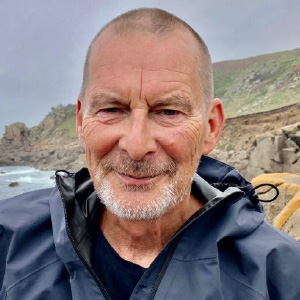
I am a registered member of the BACP and work in line with its Ethical Framework. I have experience mentoring young adults excluded from mainstream education and currently volunteer as a grief counsellor attached to a hospice. I work with adults and young adults, offering a safe, non-judgemental space to explore difficult experiences, relationships, grief, and emotional struggles, both in person and online.

Anna Gilmore
Person centered therapy, short term or long term counselling.
Treatment for trauma & PTSD
If you are struggling with trauma or PTSD, seeking professional support can be a vital step toward healing. Trauma therapy helps process distressing experiences, reduce symptoms, and develop coping strategies to regain control over your life.
There are several treatment options available, and the best approach will depend on your individual needs. According to the National Institute for Health and Care Excellence (NICE), talking therapies should be offered as a first-line treatment before medication is considered.
Trauma therapy & counselling
- Trauma-Focused Cognitive Behavioural Therapy (TF-CBT) – Helps process traumatic memories and change unhelpful thought patterns.
- Eye Movement Desensitisation and Reprocessing (EMDR) – Uses guided eye movements to help the brain reprocess distressing memories.
- Somatic therapy – Focuses on how trauma is stored in the body and helps release tension and stress.
- Compassion-Focused Therapy (CFT) – Aims to reduce feelings of shame and self-criticism related to trauma.
Speaking with a trauma-informed therapist can help you navigate your healing journey in a supportive and structured way.
Tips for managing trauma & PTSD
Talk to someone
Opening up to a trusted friend, family member, or therapist can help relieve emotional burdens. Feeling heard and supported can make a big difference in processing difficult emotions.
Focus on your breathing
Trauma can make your body feel on high alert. Deep, controlled breathing can activate the body’s relaxation response and help ease feelings of anxiety or panic. Try this simple technique:
- Inhale deeply for four seconds.
- Hold your breath for four seconds.
- Exhale slowly for six seconds.
- Repeat until you feel calmer.
Ground yourself in the present
If flashbacks or intrusive thoughts arise, grounding techniques can help bring you back to the present moment. Try:
- Naming five things you can see, four you can touch, three you can hear, two you can smell, and one you can taste.
- Holding a textured object, such as a stone or fabric, to help reconnect with reality.
Prioritise self-care
Regular exercise, good sleep, a balanced diet, and mindfulness practices can support emotional regulation and overall well-being.
Find a trauma therapist
If trauma or PTSD is affecting your daily life, professional help can be life-changing. Our directory connects you with qualified therapists who specialise in trauma recovery. Start your healing journey today.
Self-Help Strategies for Trauma & PTSD
Keep a Journal
Writing down your thoughts and emotions can help you process trauma and recognise patterns in your triggers. Journaling allows you to track distressing moments, how you responded, and what helped you cope. Be sure to note positive experiences as well—reminders of resilience can reinforce your sense of control and progress.
Practice Mindfulness
Activate the Vagus Nerve
- Deep, slow breathing – inhale for four seconds, exhale for six.
- Cold exposure – splash cold water on your face or take a cold shower.
- Humming or singing – the vibrations help activate the vagus nerve.
- Self-massage – gently massaging the neck and shoulders can promote relaxation.
Stay Active & Nourish Your Body
Explore Holistic Therapies
Complementary therapies such as yoga, meditation, acupuncture, and aromatherapy can support trauma recovery by promoting relaxation and stress relief. If you struggle to unwind, exploring guided sessions or professional treatments may be helpful.
Join a Support Group
Connecting with others who have experienced trauma can provide comfort, validation, and practical coping strategies. Whether in-person or online, support groups create a sense of community and remind you that you’re not alone.
Healing from trauma is a journey, but with the right tools and support, recovery is possible. If you’re struggling, consider speaking to a professional therapist who specialises in trauma and PTSD.
What Should I Look for in a Trauma & PTSD Therapist?
There are no strict laws governing the specific qualifications a therapist must have to treat trauma and PTSD, but choosing a qualified and experienced professional is crucial. The National Institute for Health and Care Excellence (NICE) provides guidelines on effective treatments for PTSD, recommending evidence-based therapies such as Trauma-Focused Cognitive Behavioural Therapy (TF-CBT) and Eye Movement Desensitisation and Reprocessing (EMDR).
Key Factors to Consider When Choosing a Therapist:
- Specialisation in Trauma & PTSD – Look for therapists trained in trauma-focused approaches like EMDR, TF-CBT, or somatic therapy.
- Accreditation & Qualifications – Ensure they are registered with a recognised body such as the British Association for Counselling and Psychotherapy (BACP) or UK Council for Psychotherapy (UKCP).
- Therapeutic Approach – Different therapies work for different people; ask about their methods and how they align with your needs.
- Experience & Client Reviews – Consider their experience in treating PTSD and, if available, client testimonials.
- Comfort & Connection – A strong therapist-client relationship is key to healing, so trust your instincts about how comfortable you feel.
In the first instance, doctors may recommend self-help resources or support groups. However, if symptoms persist or worsen, professional therapy is advised. In some cases, a combination of therapy and medication may be considered.
Read the full NICE guidelines: Post-Traumatic Stress Disorder: Management