
Trauma therapy requires a specialist, and finding the right practitioner makes all the difference. This page lists accredited trauma therapists based in or near South London, practitioners trained in trauma-informed approaches including EMDR, trauma-focused CBT, and somatic therapies.
Therapy in South London
South London is a broad, diverse area encompassing neighbourhoods including Brixton, Peckham, East Dulwich, Clapham, Streatham, Lewisham, Greenwich, and many more. It is home to a wide range of communities and has seen significant growth in independent businesses, arts, and culture in recent years. Therapy seekers across south London can access practitioners locally or online.
What is trauma therapy?
Trauma is a natural response to overwhelming or threatening experiences. It can follow a single event, such as an accident, assault, or sudden bereavement, or develop through sustained adversity such as childhood neglect, domestic abuse, or long-term illness. Post-Traumatic Stress Disorder (PTSD) develops when the brain and nervous system remain in a state of heightened threat long after the danger has passed.
Common experiences include flashbacks, nightmares, emotional numbing, hypervigilance, and strong avoidance of anything connected to the trauma. Trauma affects people differently, and it is important to work with a therapist who has specific training in trauma-informed approaches, therapy that moves too quickly or is not properly attuned can make things worse.

Nicola Williams
Practitioner Psychologist registered with the Health and Care Professions Council and a Chartered Associate Fellow of the British…
View profile
Charlotte Constable
I’m a counsellor based in Streatham and Tooting in South West London, offering in-person, online, and telephone appointments. I provide a…
View profile
Helen Cordery
For good or ill, our earliest relationships shape how we relate to others throughout our lives. Attachment-based psychotherapy can help you…
View profile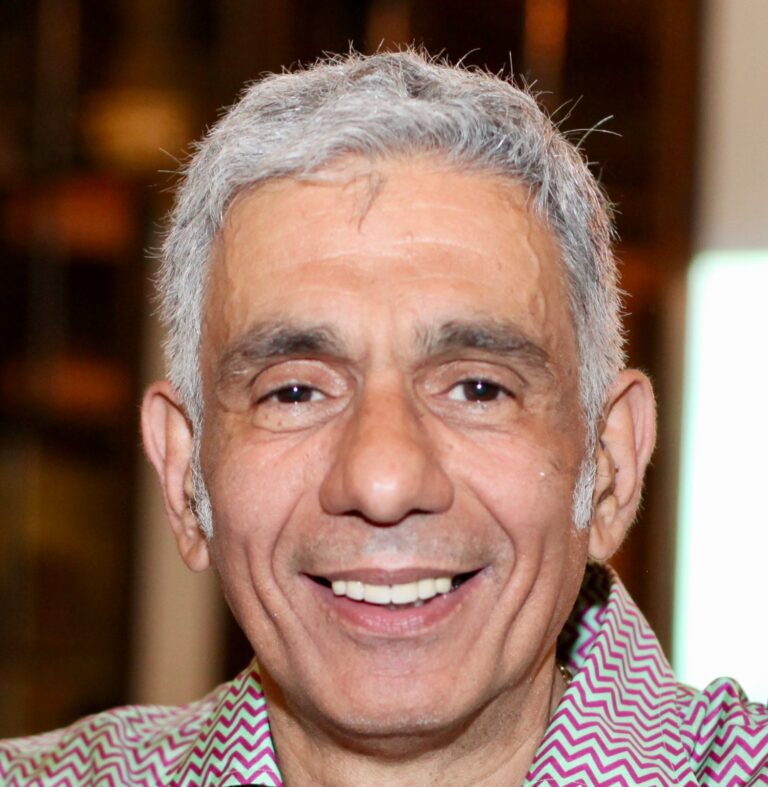
Tolis Marinos
MBACP-registered Gestalt counsellor and psychotherapist with over 30 years of experience supporting people through life changes. He holds a…
View profile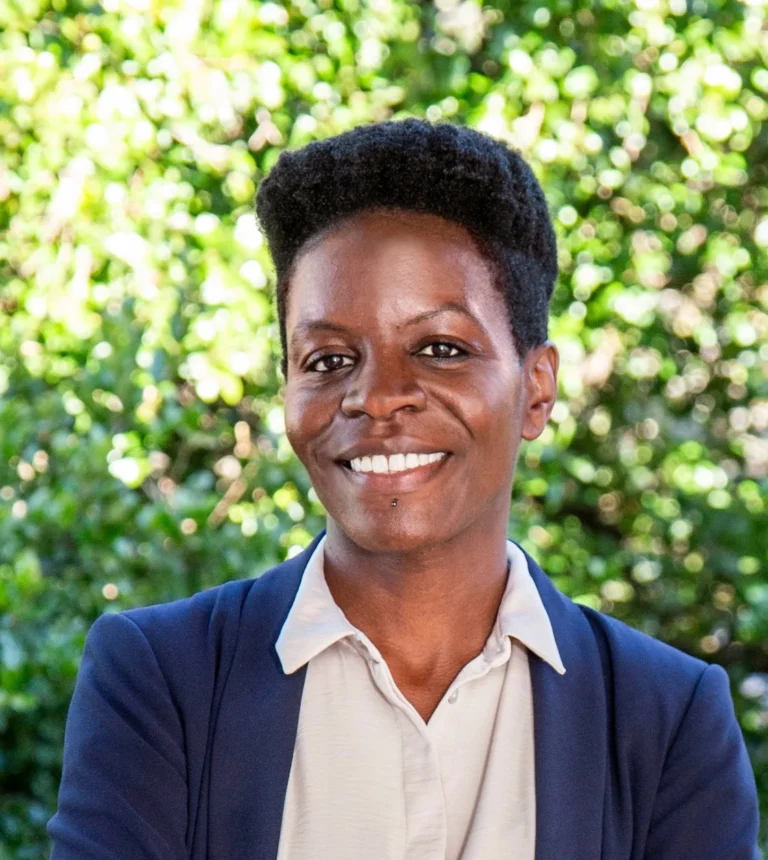
Ayo Adesioye
BACP-registered, integrative psychotherapist based in south-east London. She holds a Postgraduate Diploma in Integrative Counselling and…
View profile
David Hargreaves
BACP Accredited integrative counsellor based in Penge, South East London. He holds a Diploma in Counselling with Distinction and his BACP…
View profile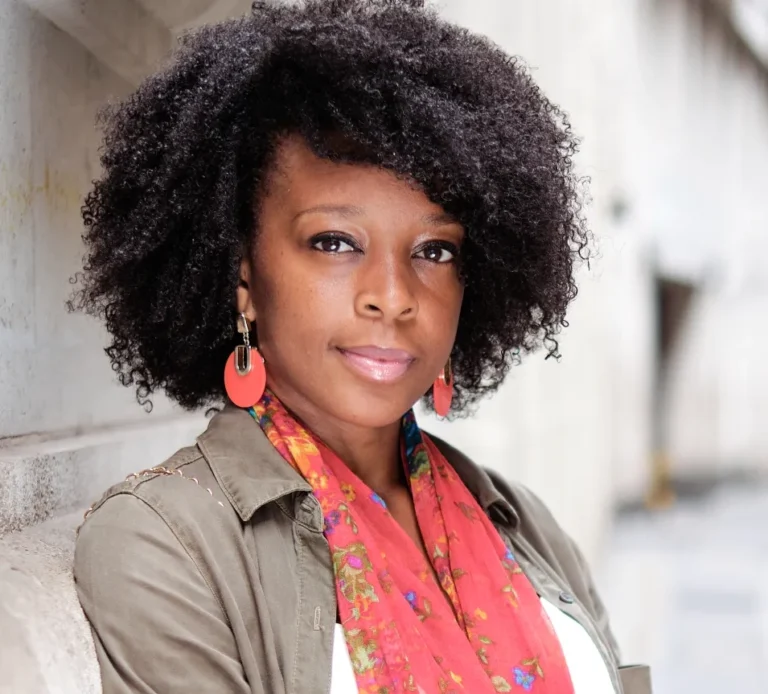
Jannelle Johnson
MBACP registered integrative psychotherapist and coach based in Wimbledon, South West London. She combines the depth of psychotherapeutic…
View profile
Emma Malone
I work integratively – tailoring sessions to what best serves your individual needs. My core training is rooted in Psychodynamic…
View profile
Julia Osborne
I am a qualified integrative counsellor, trained in relational, psychodynamic, and humanistic approaches, alongside attachment theory and…
View profile
Chisom Deborah
I can help young people, adults and families make sense of what they are finding difficult and feel more supported in the process. My…
View profile
Piers Hadman
BACP registered integrative counsellor based in South West London. He practises from a distinctly neuro-affirmative stance, taking a…
View profile
Silvi Naskinova
I can help you understand how past and present experiences may be shaping your relationships, emotions and ways of coping. Working…
View profileWhat to expect from trauma therapy
Trauma therapy is always paced carefully. Initial sessions focus on building trust, safety, and stability before approaching the traumatic material itself. Your therapist will never push you to revisit experiences before you are ready.
EMDR (Eye Movement Desensitisation and Reprocessing) is one of the most well-evidenced trauma treatments, helping the brain to process and integrate traumatic memories. Somatic therapy works with the body’s responses, recognising that trauma is held in the nervous system as well as the mind. Trauma-focused CBT is another widely used approach. Progress in trauma therapy is not always linear, but most people experience meaningful relief over time.
Frequently Asked Questions
What is the difference between trauma and PTSD?
Trauma refers broadly to the psychological impact of overwhelming experiences. PTSD is a specific clinical diagnosis that occurs when trauma symptoms, including flashbacks, avoidance, and hyperarousal, persist for more than a month and significantly impact daily life. Both can be effectively treated with specialist therapy.
What is EMDR and does it work?
EMDR (Eye Movement Desensitisation and Reprocessing) is a structured therapy recommended by NICE for PTSD. It uses bilateral stimulation, often eye movements, while the person recalls traumatic memories, helping the brain to reprocess them. Research strongly supports its effectiveness.
How long does trauma therapy take?
This varies considerably depending on the complexity and duration of the trauma. Some people find significant relief in 8 to 12 sessions of focused trauma therapy. Complex or childhood trauma usually requires a longer course of work. Your therapist will give you a realistic sense of timescales after an initial assessment.
Do I need a PTSD diagnosis before starting trauma therapy?
No. You do not need a diagnosis to start trauma therapy. Many people seek help for experiences that weigh on them without ever having a formal label. A trauma-informed therapist will work with what you bring, at a pace that feels safe, whether or not PTSD has been named.
How much does trauma therapy cost in South London?
Private therapy in London typically ranges from around £50 to £100 per session. Fees vary with each therapist’s experience and training. Every profile on The Therapist Finder lists the therapist’s current fees, so you know where you stand before you get in touch. Our UK therapy cost breakdown sets out median fees by therapist type and region.
Can trauma therapy be done online?
Yes. Many trauma therapists offer online sessions, and approaches such as EMDR have been adapted for remote work. Some people feel safer beginning this work from their own home. What matters most is working with someone experienced in trauma, at a pace you can manage.