
The bereavement therapists listed on this page are based in or near Islington, N1 and are accredited by recognised professional bodies. Browse practitioners by availability and session type below.
Therapy in Islington
Islington is a vibrant inner north London borough known for its independent restaurants, bars, and arts venues centred on Upper Street and the Angel area. It has a mix of creative professionals, long-term residents, and families, alongside a strong community and cultural scene. Islington is well-served by the Victoria and Northern lines, making it one of the most accessible parts of north London.
What is bereavement therapy?
Grief is the natural response to loss. Most commonly this is the death of someone we love, but grief can also follow the end of a relationship, a miscarriage, the loss of a role or identity, or any significant change that takes away something we were counting on.
Grief does not follow a predictable path. It can be consuming and overwhelming, or it can arrive in waves — sometimes months or years after the loss. For some people, grief becomes stuck. They find they cannot move forward, or that loss has reopened earlier wounds. Bereavement therapy offers a dedicated space to grieve fully, without pressure, judgement, or a timeline.

Annie Pender
Annie Pender (MA, HCPC) I am an integrative psychotherapist who is warm and relational, bringing curiosity and creativity to working with…
View profile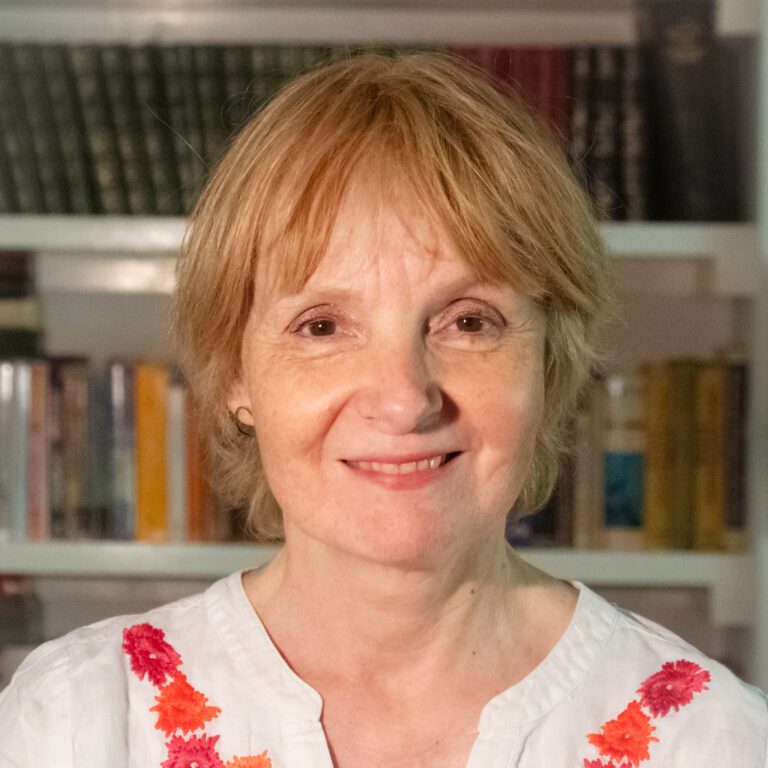
Caroline Moore
I am a psychotherapist in training with the Karuna Institute. I practice Core Process Psychotherapy which is a mindful and contemplative…
View profile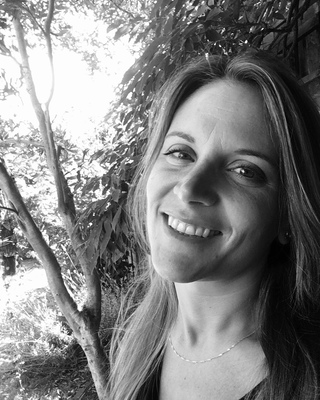
Paola Filotico
I offer short, medium, and long-term online therapy for adults and couples, in English and Italian. My specialties include anxiety…
View profile
Lily Von Kalbach
I’m a UKCP-accredited therapist with an MA and Postgraduate Diploma in Counselling and Psychotherapy. I use integrative approaches in…
View profile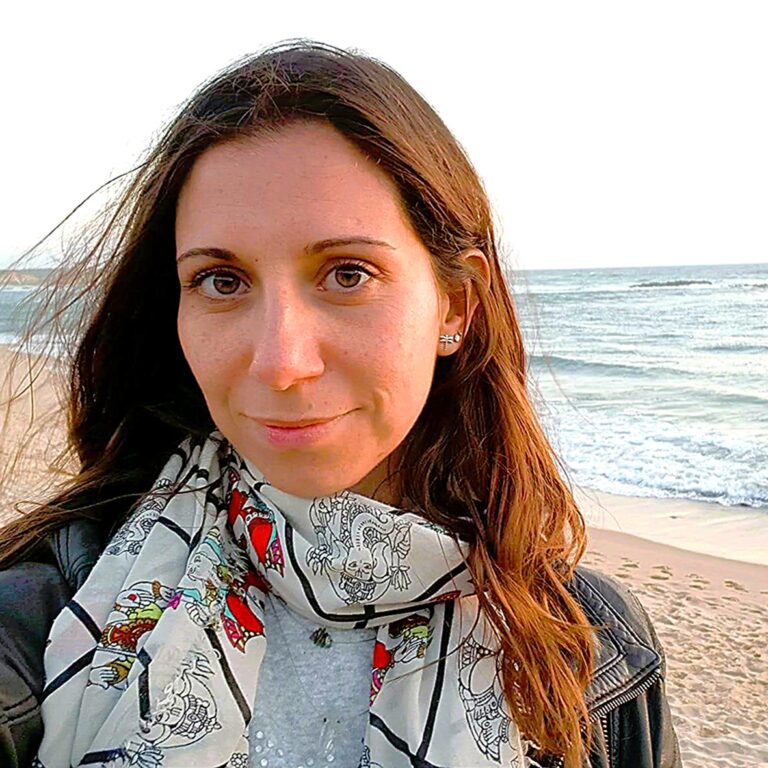
Monica Mendes
My name is Monica, and I’m a registered therapeutic counsellor and life coach. You may be here because life feels overwhelming…
View profile
James Angel
I am an attachment-based psychotherapist trained at The Bowlby Centre, where I now also teach, and I have previously worked within the NHS…
View profile
Farah Chowdhury
BACP-registered integrative counsellor and psychotherapist, and the founder of A Space for You Counselling. She works from locations in…
View profile
Matthew Jadavji
You might be navigating life as someone who’s always felt a little outside the mainstream, queer, neurodivergent, or both. Perhaps…
View profile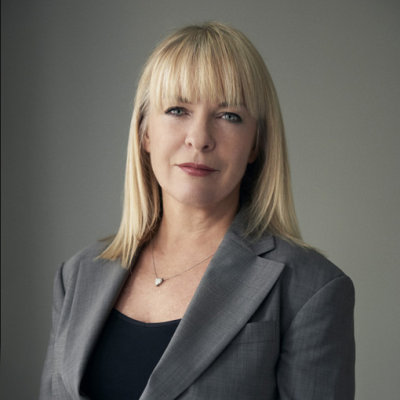
Amanda Baker
Anxious, depressed, feeling lost or stuck, struggling with unhelpful patterns in your life or relationships ? I am BACP-registered…
View profile
Rachel Milroy
People seek therapy when they are dissatisfied or unhappy and feel that it is possible to make changes but this is very difficult alone…
View profile
Ian Anderson
I am a Chartered Psychologist registered with the HCPC with over 40 years of experience. I have worked in private practice with over two…
View profile
Siobhan Campbell
Welcome. I am a highly experienced Integrative counsellor/psychotherapist offering online and telephone therapy sessions to adults 18+ and…
View profileWhat to expect from bereavement therapy
Bereavement therapy is led entirely by your pace and your experience of loss. Your therapist is not there to move you through stages of grief or tell you what to feel — they are there to sit with you in it, help you make sense of your experience, and support you in finding a way to carry what has happened.
Some people need only a handful of sessions; others benefit from longer-term support, particularly when the loss is complex, unexpected, or traumatic, or when grief has reopened earlier wounds. Therapy can also be helpful for those supporting a grieving partner, parent, or child, and for people who feel they should be over it by now but aren't.
Frequently Asked Questions
How long after a bereavement should I wait before starting therapy?
There is no right answer. Some people find it helpful to start therapy soon after a loss, to have a supported space during the acute phase. Others come to therapy months or years later. The most important thing is that you access support when you feel ready.
Is grief therapy different from regular therapy?
Not fundamentally — good therapy always makes space for loss. However, a therapist experienced in bereavement will understand the specific dimensions of grief: the physical responses, the non-linear nature, the complicated feelings that often accompany loss, including relief, guilt, or anger.
Can grief therapy help with complicated grief?
Yes — prolonged grief disorder (sometimes called complicated grief) is a recognised condition in which grief does not ease over time and significantly impairs daily functioning. Specialist bereavement therapy can be very effective in these cases.