
Looking for a bereavement therapist in Notting Hill? This page lists qualified grief counsellors and bereavement specialists in and around the area, offering compassionate support for loss of all kinds.
Therapy in Notting Hill
Notting Hill is an affluent neighbourhood in the Royal Borough of Kensington and Chelsea, west London. Known for the Portobello Road market, the Notting Hill Carnival, and its elegant garden squares and townhouses, it is one of London's most distinctive and sought-after areas. Notting Hill is served by the Circle and District lines at Notting Hill Gate station.
What is bereavement therapy?
Grief is the natural response to loss. Most commonly this is the death of someone we love, but grief can also follow the end of a relationship, a miscarriage, the loss of a role or identity, or any significant change that takes away something we were counting on.
Grief does not follow a predictable path. It can be consuming and overwhelming, or it can arrive in waves — sometimes months or years after the loss. For some people, grief becomes stuck. They find they cannot move forward, or that loss has reopened earlier wounds. Bereavement therapy offers a dedicated space to grieve fully, without pressure, judgement, or a timeline.
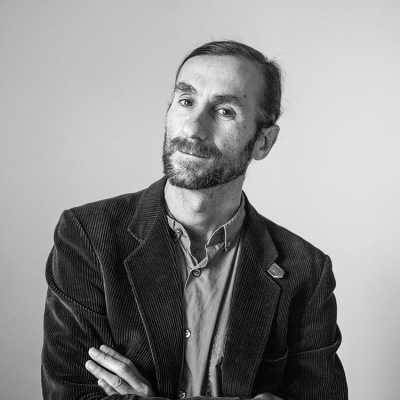

Alex Knowlden
I am a gentle and thoughtful practitioner, working as both a psychotherapist and yoga teacher, with a trauma-informed approach that…
View profile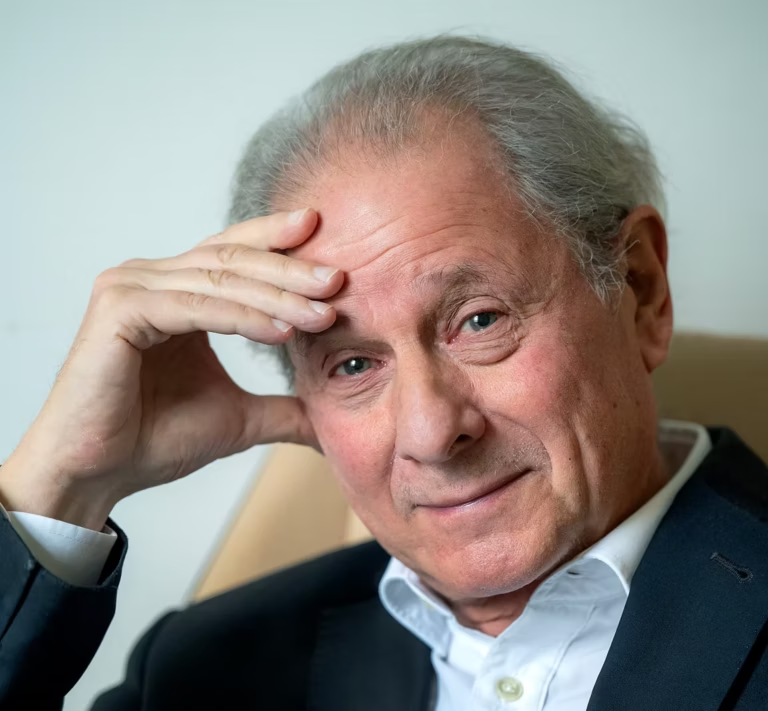
Eric Bettelheim
I am a psychoanalytic psychotherapist with over 15 years of personal and professional experience, trained with the Society of Analytical…
View profile
Deepa Pagarani
UKCP-accredited psychotherapist with over 10 years of experience, based in Maida Vale, central London. She holds a Diploma in Counselling…
View profile
James O'Callaghan
I have a level 7 diploma in counselling and I’m currently near completion of my MA in counselling and psychotherapy. I work in private…
View profile
Ariele Noble
Greater clarity, a sense of release from what feels burdensome and an openness to new ways of understanding yourself and others. Dr Noble…
View profile
April Haesler
I have experience working with a diverse range of presentations and difficulties, including trauma, PTSD, depression, anxiety, living with…
View profile
Amanda Rijlaarsdam
UKCP registered and AHPP accredited body psychotherapist based in Ealing, West London. Body psychotherapy is a holistic, integrative…
View profile
Luana Lamantea
I can help you explore the difficulties, worries or life experiences that have brought you to therapy, at a pace that feels right for you…
View profile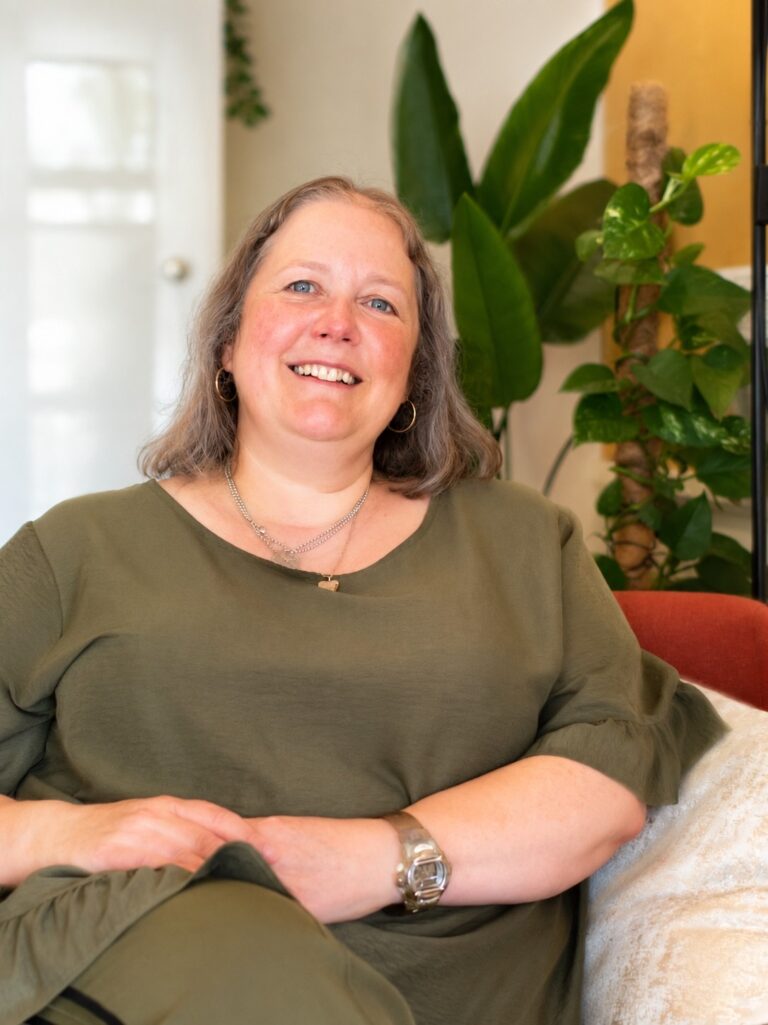
Sue Wilson
Experienced BACP-accredited integrative therapist supporting adults in-person, online and by telephone. I hold a BSc in Psychology &…
View profile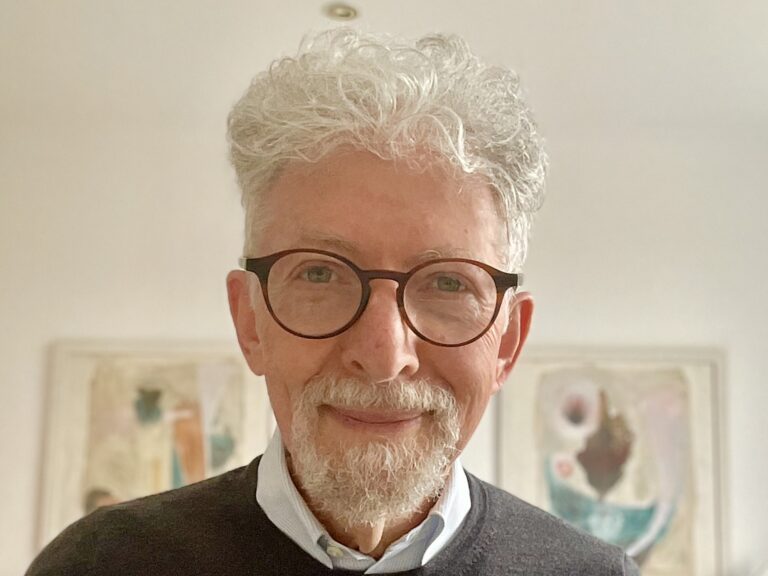
Michael Halton
I am a Senior Psychoanalyst and Fellow of the BPA, BPF, BPC, with 45+years of clinical experience and formally a Consultant Psychotherapist…
View profile
Gillian Lock
How Gillian works and who she can help: Gillian is registered as an Integrative Psychotherapist and works with adult, couple relationships…
View profileWhat to expect from bereavement therapy
Bereavement therapy is led entirely by your pace and your experience of loss. Your therapist is not there to move you through stages of grief or tell you what to feel — they are there to sit with you in it, help you make sense of your experience, and support you in finding a way to carry what has happened.
Some people need only a handful of sessions; others benefit from longer-term support, particularly when the loss is complex, unexpected, or traumatic, or when grief has reopened earlier wounds. Therapy can also be helpful for those supporting a grieving partner, parent, or child, and for people who feel they should be over it by now but aren't.
Frequently Asked Questions
How long after a bereavement should I wait before starting therapy?
There is no right answer. Some people find it helpful to start therapy soon after a loss, to have a supported space during the acute phase. Others come to therapy months or years later. The most important thing is that you access support when you feel ready.
Is grief therapy different from regular therapy?
Not fundamentally — good therapy always makes space for loss. However, a therapist experienced in bereavement will understand the specific dimensions of grief: the physical responses, the non-linear nature, the complicated feelings that often accompany loss, including relief, guilt, or anger.
Can grief therapy help with complicated grief?
Yes — prolonged grief disorder (sometimes called complicated grief) is a recognised condition in which grief does not ease over time and significantly impairs daily functioning. Specialist bereavement therapy can be very effective in these cases.