
Relationship counselling in South London is offered by qualified practitioners trained in approaches including attachment-based therapy, emotionally focused therapy, and psychodynamic work. Browse accredited therapists below.
Therapy in South London
South London is a broad, diverse area encompassing neighbourhoods including Brixton, Peckham, East Dulwich, Clapham, Streatham, Lewisham, Greenwich, and many more. It is home to a wide range of communities and has seen significant growth in independent businesses, arts, and culture in recent years. Therapy seekers across south London can access practitioners locally or online.
What is relationship therapy?
Relationship difficulties are one of the most common reasons people seek therapy — whether they come alone or with a partner. They can range from recurring arguments and communication breakdowns to emotional distance, trust issues, or the lingering effects of an affair or betrayal.
Sometimes there is no dramatic event — just a gradual growing apart, or a persistent sense that real connection has been lost. Individual therapy for relationship issues can be just as valuable as couples therapy — it helps you understand your own patterns, what you bring to relationships, and what you genuinely need.
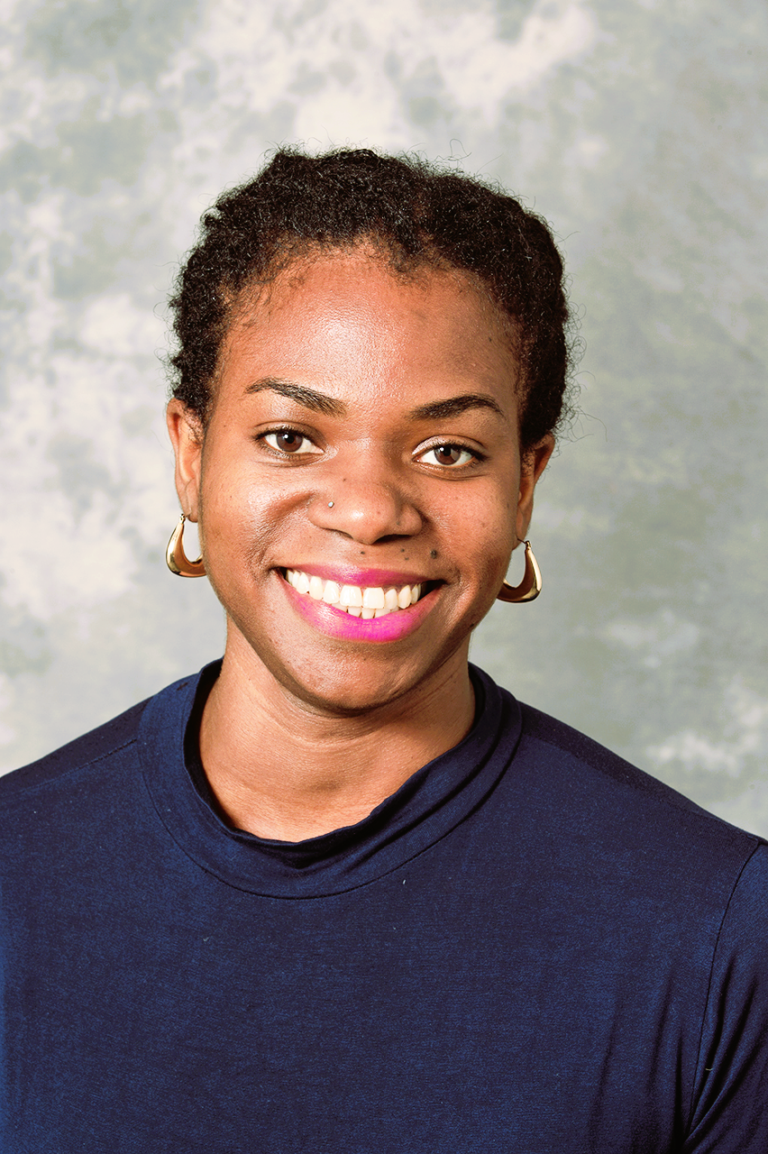
Chavel Campbell
I’m an MNCPS Accredited integrative psychotherapist offering therapy for all across the UK. Many people come to therapy carrying a lot on…
View profile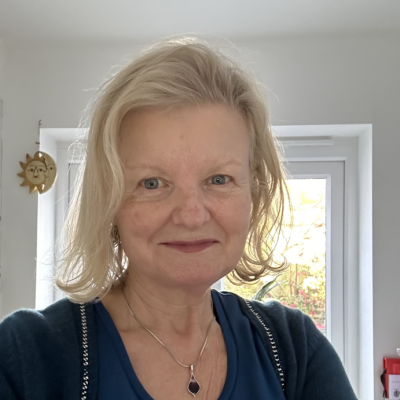
Nicola Williams
Practitioner Psychologist registered with the Health and Care Professions Council and a Chartered Associate Fellow of the British…
View profile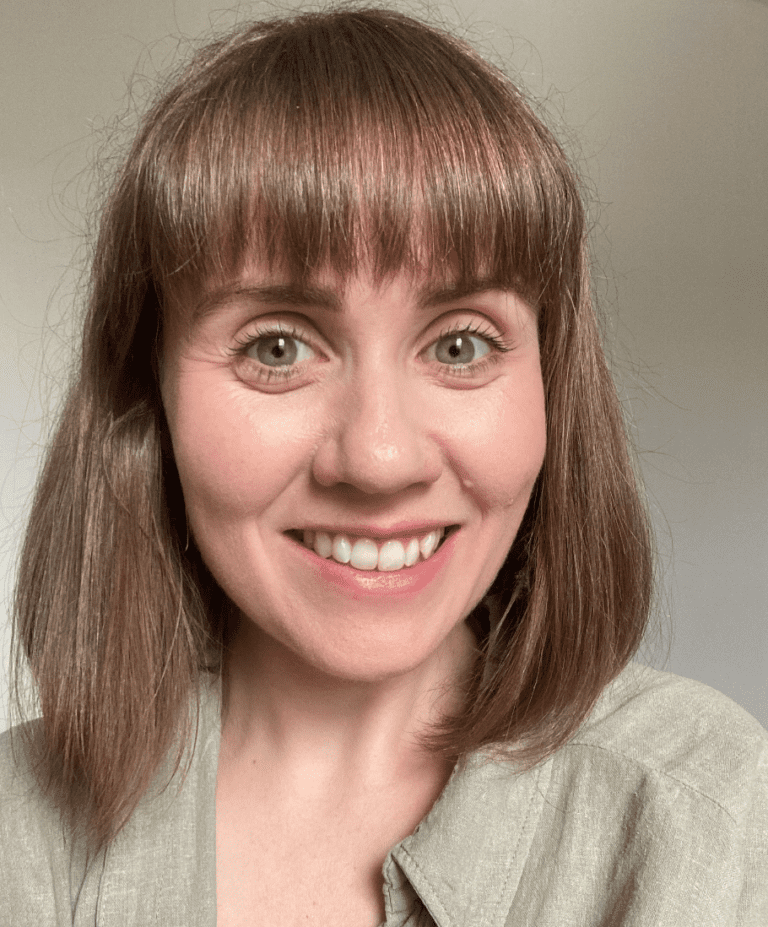
Charlotte Constable
I’m a counsellor based in Streatham and Tooting in South West London, offering in-person, online, and telephone appointments. I provide a…
View profile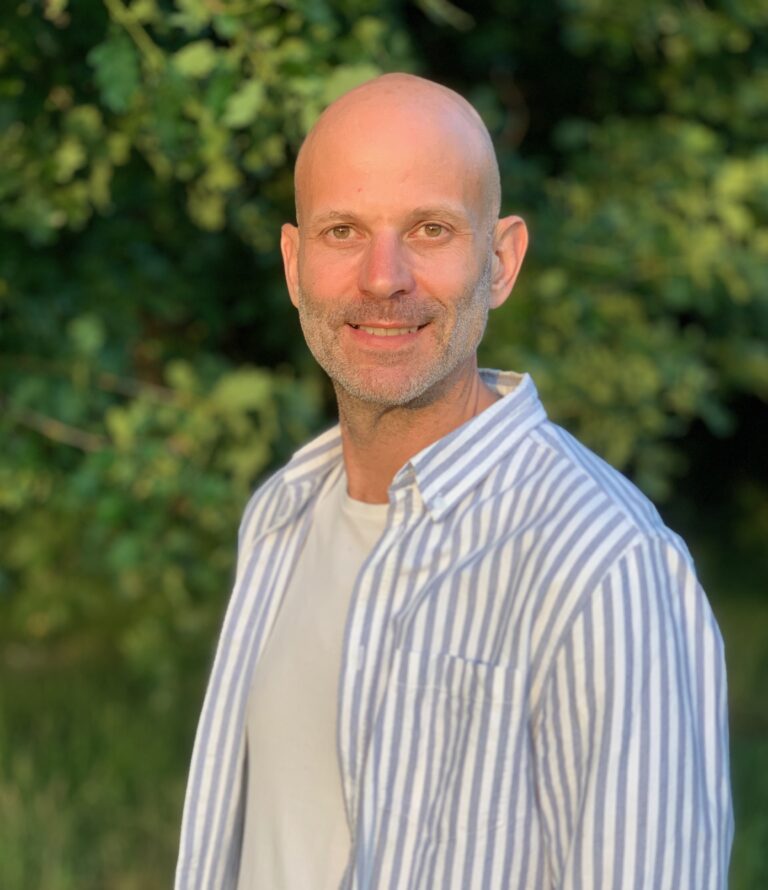
Mark Hoffman
I’m an integrative counsellor and psychotherapist (MBACP) and a fully qualified, insured breathwork facilitator. I offer a warm, supportive…
View profile
Tolis Marinos
MBACP-registered Gestalt counsellor and psychotherapist with over 30 years of experience supporting people through life changes. He holds a…
View profile
Emma Edwards
As a Counsellor I have worked with a variety of issues, especially those related to bereavement and loss. The experience of grief for many…
View profile
Polly Watson
I am a trained psychodynamic counsellor working with adults, young people and children, offering in-person sessions in Wimbledon and online…
View profile
David Hargreaves
BACP Accredited integrative counsellor based in Penge, South East London. He holds a Diploma in Counselling with Distinction and his BACP…
View profile
Helen Jack
Hello, I’m Helen (she/her), an integrative psychotherapist based in South London. I offer counselling and therapy for anxiety, low…
View profile
Emma Malone
I work integratively – tailoring sessions to what best serves your individual needs. My core training is rooted in Psychodynamic…
View profile
Julia Osborne
I am a qualified integrative counsellor, trained in relational, psychodynamic, and humanistic approaches, alongside attachment theory and…
View profile
Amandeep Chana
As an integrative counsellor with a CBT-informed approach, I offer a safe, warm and welcoming space where you can be yourself and speak…
View profileWhat to expect from relationship therapy
Relationship therapy — whether individual or with a partner — typically begins with an exploration of current patterns: what tends to happen, how each person responds, and what has been tried so far. From there, the work goes deeper: exploring early attachment experiences, the models of relationship formed in childhood, and the hopes and fears that shape behaviour in intimate relationships.
Attachment-based approaches, psychodynamic therapy, and emotionally focused therapy are all commonly used. Progress in relationship therapy often feels non-linear — things sometimes feel harder before they feel better, as honest communication replaces silence or avoidance.
Frequently Asked Questions
Should I do individual or couples therapy for relationship issues?
Both are valuable. Individual therapy helps you understand your own patterns, what you bring to relationships, and what you need. Couples therapy brings both partners into a supported dialogue. Many people do individual therapy first, then couples therapy, or both simultaneously with different therapists.
Can therapy help after an affair?
Yes — therapy can be enormously helpful after a betrayal, whether the aim is to rebuild the relationship or to process what has happened and find a way forward. Both couples therapy and individual therapy are useful. Rebuilding trust takes time, but many couples do recover from affairs with the right support.
What if my partner refuses to come to therapy?
You can still benefit significantly from individual therapy. Understanding your own patterns and needs is valuable regardless of whether your partner is involved. Individual therapy may also help you decide what you want, and sometimes partners become open to joining later.
How much does relationship counselling cost in South London?
Across the therapists listed on The Therapist Finder, the median fee is £85 a session, with most charging between £70 and £110. Relationship and couples sessions often cost more than individual ones and usually run longer, from 60 to 90 minutes. Check both the fee and the session length before you book. See our UK therapy fee data for a full breakdown by therapist type and region.
Do we need a GP referral for relationship counselling?
No referral is needed for private relationship counselling. You contact a therapist directly and arrange a first session between you. NHS relationship support exists in some areas but waiting lists are long and provision varies across South London boroughs.
Does online relationship counselling work?
It works well for many couples, particularly where work patterns or childcare make a shared appointment difficult to arrange. Some therapists prefer to meet couples in the room at least once, so ask when you enquire. Sitting together during an online session tends to work better than joining from two separate screens.