

Written by Luisa Kos
Table of contents


Understanding ADHD and Autism
What is ADHD
- Maintaining attention on tasks
- Following instructions or completing projects
- Impulse control and emotional regulation
- Restlessness or excessive movement
- Forgetfulness and time management
What is Autism?
- Difficulty understanding social cues or non-verbal communication
- A strong preference for routine and predictability
- Intense interests in specific topics
- Sensory sensitivities (e.g., to noise, textures, or lights)
- Differences in emotional expression and regulation
Getting a diagnosis for ADHD or Autism
- Clinical interviews and developmental history
- Behavioural observations
- Questionnaires or rating scales completed by the individual and/or caregivers
Treatment & support for ADHD and Autism
There is no “cure” for ADHD or autism, but with the right support, individuals can develop strategies to manage challenges and thrive.
Therapies & interventions
- Cognitive Behavioural Therapy (CBT) – Can help with emotional regulation, managing anxiety, and improving executive functioning skills.
- Occupational therapy – Supports sensory integration and daily life skills.
- Speech & language therapy – Helps with communication difficulties and social interaction.
- Behavioural Coaching & Executive Function Support – Particularly useful for ADHD to help with organisation and planning.
Medication (For ADHD)
- Stimulant medications (e.g., methylphenidate, lisdexamfetamine) can help improve focus and impulse control.
- Non-stimulant options are also available for those who experience side effects.
- Medication should always be considered alongside behavioural strategies.
Self-Help strategies for ADHD & Autism
- Create structure & routine – Consistent daily habits can reduce anxiety and improve productivity.
- Use visual aids & reminders – Lists, planners, or phone alerts can help with organisation.
- Practice self-regulation techniques – Deep breathing, sensory breaks, or movement can help manage overstimulation.
- Seek community & support – Connecting with others who share similar experiences can be empowering.
I am different, not less.
Dr. Temple Grandin, professor and autism advocate.
Find a specialist
If you suspect you or a loved one may have ADHD or autism, speaking to a healthcare professional can provide clarity and access to the right support. Whether through therapy, coaching, or self-help strategies, individuals with ADHD and autism can lead fulfilling and successful lives.
Therapists who can help with ADHD and Autism
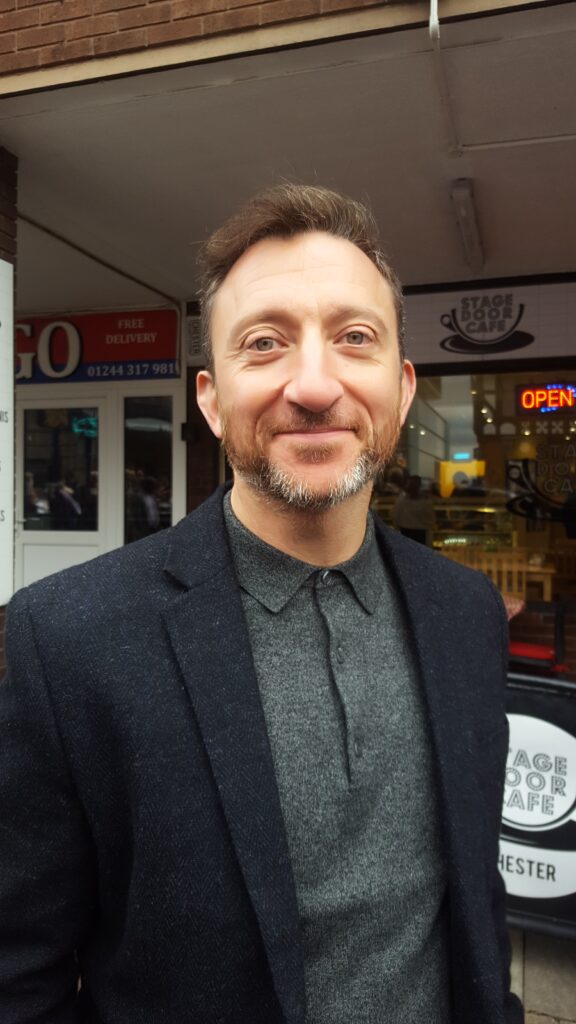
Mike Green
I’ve been counselling individuals and couples, from 18 to 88, with a diverse range of backgrounds, challenges and needs. I served my initial client hours working for Mind UK whilst training to become a qualified counsellor, and on completion of training I set up my own private practice, which I have been running now for over 8 years. I like to work with a range of issues from Anxiety, Depression, Bereavement, Stress, Self-Esteem, Trauma, this keeps the work interesting, challenging and keeps me on my toes. I continue to enjoy learning about human psychology, behaviour and mental health, which I find both intriguing and helpful in my work.

Oliver Fallon
I offer specialist therapy for eating disorders and OCD, on Zoom or face-to-face. I have extensive experience working in these areas in the NHS at South West London and St Georges NHS Mental Health Trust. For OCD I use CBT with ERP designed collaboratively with you to tackle your particular themes. For eating disorders we focus on stability using a meal plan and decoupling body image from food.

Pedro Garcia
I am a BACP-registered counsellor offering therapy in English and Spanish, both online and in person from rooms in **London Bridge (SE1) and Greenwich (SE10)**. I provide **trauma-informed, diversity-affirming counselling** for adults and young adults experiencing anxiety, depression, emotional overwhelm, ADHD, low self-esteem, and questions around identity, relationships, and life direction. My work is based on the idea that when we begin to understand our story, what shaped us and why certain patterns repeat, we can start to relate to ourselves with greater clarity and compassion. I offer a thoughtful, non-judgemental space where you can explore your experiences at your own pace and find steadier ways of coping and moving forward.

Jonathan Oppong-Wlafe
I have worked for five years in a leading residential clinic working with clients who struggle with dependencies to substances or behaviours, as well as clients struggling with suicidality, depression, anxiety, and eating disorders. I now work in private practice in Kensal Rise.

Samuel Smith
I am a Registered Member of the British Association for Counselling and Psychotherapy (BACP) and practise in accordance with their Ethical Framework. I hold a Postgraduate Diploma in Existential Psychotherapy and Counselling from the New School of Psychotherapy and Counselling, London. Alongside my clinical practice, I am engaged in doctoral research jointly with the New School and Middlesex University, exploring how gender shapes therapeutic relationships, particularly in the context of working with women who have experienced trauma. This ongoing work continues to deepen my commitment to a therapeutic practice that is inclusive, reflective and sensitive to the dynamics of power, identity and social context.
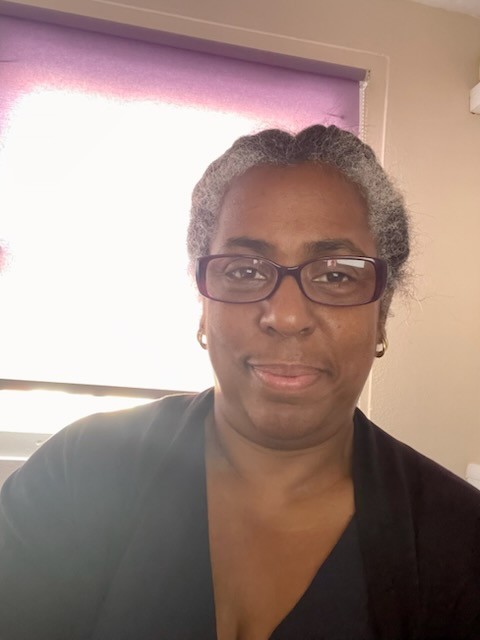
Mary Thomas
With a Humanistic Integrative approach, this counsellor places the client at the centre of the therapeutic process, adapting their work to suit each person’s needs and experiences. Their practice draws on person-centred, psychodynamic and CBT-informed approaches, allowing flexibility to explore past influences, understand present challenges and develop practical ways of managing difficult emotions. They have experience supporting clients with anxiety, depression, trauma, low self-esteem, relationship difficulties and identity questions, and have worked within NHS women’s services as well as with individuals affected by domestic violence and family difficulties. Their work is inclusive of LGBTQ+ and neurodiverse clients, and is grounded in creating a safe, respectful and non-judgemental therapeutic relationship where clients can explore their experiences and build greater self-understanding.

Anastasia Moraiti
I am a qualified Dance Movement Psychotherapist and registered member of the Association for Dance Movement Psychotherapy UK, practising within professional and ethical standards. I work in a body-based, trauma-informed way, drawing on seven years’ experience across the NHS, schools and community settings with both children and adults. I support clients with trauma, anxiety, depression, attachment difficulties, autism, ADHD and burnout. My approach integrates nervous system awareness, mindfulness and integrative psychotherapy to help reduce tension and support meaningful change.

Al Tyers
I am an experienced and qualified therapist, and a BACP Senior Accredited member (MBACP Snr Accred), offering a confidential and supportive space where you can talk openly about what is going on in your life. People often come to therapy when they feel anxious, low, overwhelmed or unsure about the direction their life is taking, sometimes after a significant event such as a loss, relationship break-up, or work or financial stress. I work with a wide range of difficulties including anxiety, panic attacks, depression, relationship challenges, social anxiety and issues with self-esteem or confidence. In our work together we will look at what is happening for you now, how it may connect to past experiences, and how you can begin to move forward in a way that feels meaningful and manageable. I offer both short-term and open-ended therapy, in person in Clerkenwell (EC1) and St Albans, as well as online and phone sessions.

Billi Silverstein
Seeking therapy can be a complex journey, requiring both commitment and emotional investment. She believes that within a safe and empowering relationship everyone has the capacity to become agents of change.

Thomas Brosnan
For over 20 years now, I have supported individuals, couples, groups and families of all ages across a range of clinical, residential and community settings such as the NHS, The Priory, Mind, in schools and within the corporate sector too. I hold a Master’s in Addiction Psychology & Counselling alongside Postgraduate Diplomas in Relationship Therapy, Trauma and Child & Adolescent Psychotherapy. My work integrates evidence based approaches alongside more alternative methods to support people to be at their best. Whatever the weather.
Treatment for ADHD & Autism
ADHD treatment options
Therapy & behavioural interventions
- Cognitive Behavioural Therapy (CBT) – Helps with emotional regulation, impulsivity, and managing negative thought patterns.
- Behavioural coaching & executive function Support – Teaches organisation, time management, and coping skills.
- Parent training & support programmes – Helps parents understand ADHD and implement effective strategies for children.
- Social skills training – Supports individuals in developing better interpersonal relationships.
Medication for ADHD
Medication is often recommended for moderate to severe ADHD and can be highly effective in improving focus, impulse control, and emotional regulation. Common types include:
Lifestyle & self-help strategies
- Routine & structure – Keeping a daily schedule can improve focus and reduce forgetfulness.
- Exercise & movement – Regular physical activity can help regulate energy levels and improve concentration.
- Mindfulness & relaxation techniques – Breathing exercises and meditation can support emotional regulation.
- Diet & nutrition – While not a cure, a balanced diet can support brain function and overall well-being.
Autism treatment & support
Unlike ADHD, there are no medications that directly treat autism itself. Instead, therapy and personalised support strategies help individuals develop skills, manage sensory sensitivities, and improve communication.
Therapeutic interventions for Autism
- Speech & language therapy – Helps with communication skills, social interaction, and understanding verbal and non-verbal cues.
- Occupational therapy – Supports sensory regulation and daily living skills.
- Applied Behaviour Analysis (ABA) – A structured approach that teaches behavioural and social skills (though it is controversial and not suitable for everyone).
- Social skills training – Helps autistic individuals navigate social interactions and relationships.
Medication for Autism-Related challenges
While there’s no medication for autism itself, some medications can help manage co-occurring conditions like anxiety, depression, or ADHD symptoms. Doctors may prescribe:
- Selective Serotonin Reuptake Inhibitors (SSRIs) – To help with anxiety or depression.
- Stimulants or Non-Stimulants – If the individual also has ADHD symptoms.
- Melatonin – To support sleep issues, which are common in autism.
Lifestyle & sensory support
- Creating predictable routines – Reduces anxiety and supports daily functioning.
- Using visual aids & timers – Helps with transitions and communication.
- Sensory-Friendly environments – Adjusting lighting, sound, and textures to minimise sensory overload.
- Self-Advocacy & support networks – Joining autism-friendly communities can provide emotional support and resources.
Finding the right support
Both ADHD and autism benefit from early intervention and ongoing personalised strategies. Whether through therapy, coaching, medication, or lifestyle adjustments, tailored support can empower individuals to thrive in their own way.