
If you are looking for structured, evidence-based support for anxiety, depression, or another condition, qualified CBT therapists are available locally. Browse accredited practitioners in and around East Dulwich, SE22.
Therapy in East Dulwich
East Dulwich is a leafy residential neighbourhood in south-east London, known for its independent cafes, Lordship Lane, and strong community feel. It sits within the London Borough of Southwark and draws a mix of young families, professionals, and long-term residents. The area is well-served by buses and is close to Peckham Rye and East Dulwich stations, making it accessible from across south London.
What is CBT therapy?
Cognitive Behavioural Therapy, CBT, is a structured, evidence-based form of therapy that focuses on the relationship between thoughts, feelings, and behaviours. The core idea is that our thoughts influence how we feel, and our feelings influence how we behave. By identifying and challenging unhelpful thought patterns, we can change how we respond to difficult situations.
CBT is one of the most extensively researched therapies in existence, with strong evidence for anxiety, depression, OCD, PTSD, phobias, eating disorders, and more. It is typically a relatively short-term therapy, often completed in 6 to 20 sessions, and is recommended by NICE (the National Institute for Health and Care Excellence) as a first-line treatment for many conditions.
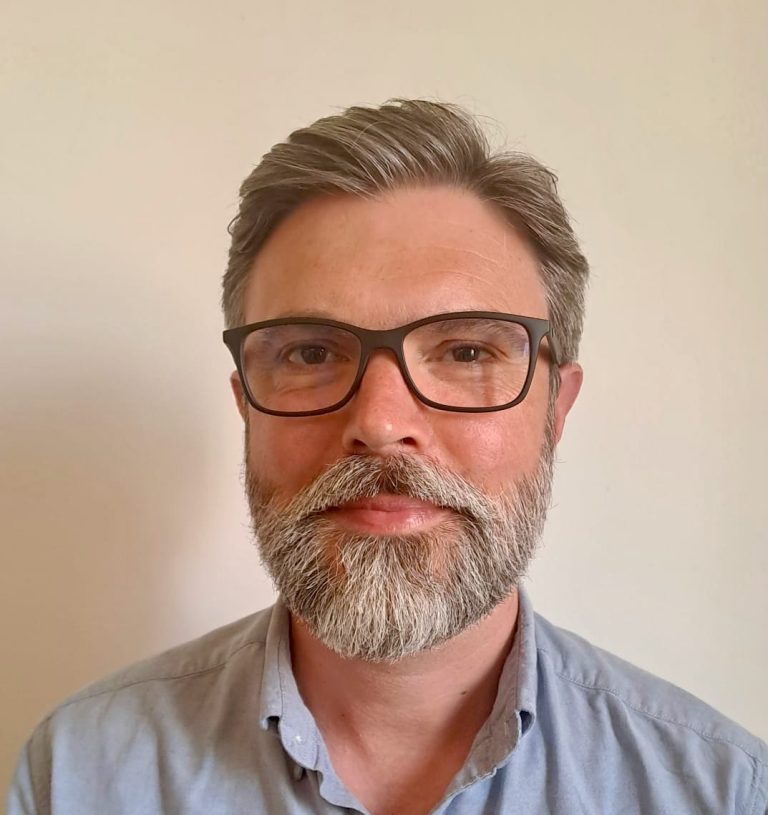
Samuel Smith
I am a Registered Member of the British Association for Counselling and Psychotherapy (BACP) and practise in accordance with their Ethical…
View profile
Louise Greene
I am a professionally trained integrative counsellor and psychotherapist with over 15 years’ experience, and an Accredited Member of the…
View profile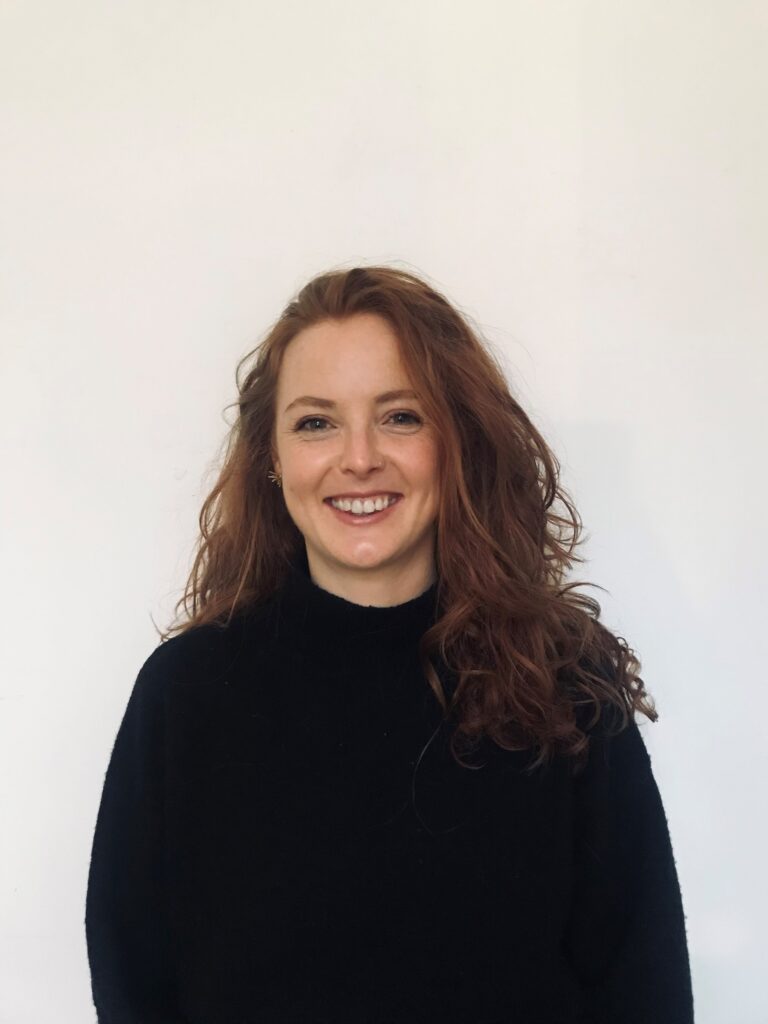
Eliza Preston
I have seven years of experience as a psychotherapist, having worked in a number of NHS services in London, in a university counselling…
View profile
Letishea McLean
Over 15 years of clinical experience including the NHS, university environments, prison services, and private practice. These experiences…
View profile
Lucie Nalletamby
I am a Clinical Psychologist with over a decade of experience working in the NHS and private practice. I have worked in the NHS since 2011…
View profile
Manuel Navarro
I am a systemic and family psychotherapist with 20 years of experience working in mental health services in the NHS. I have worked with…
View profile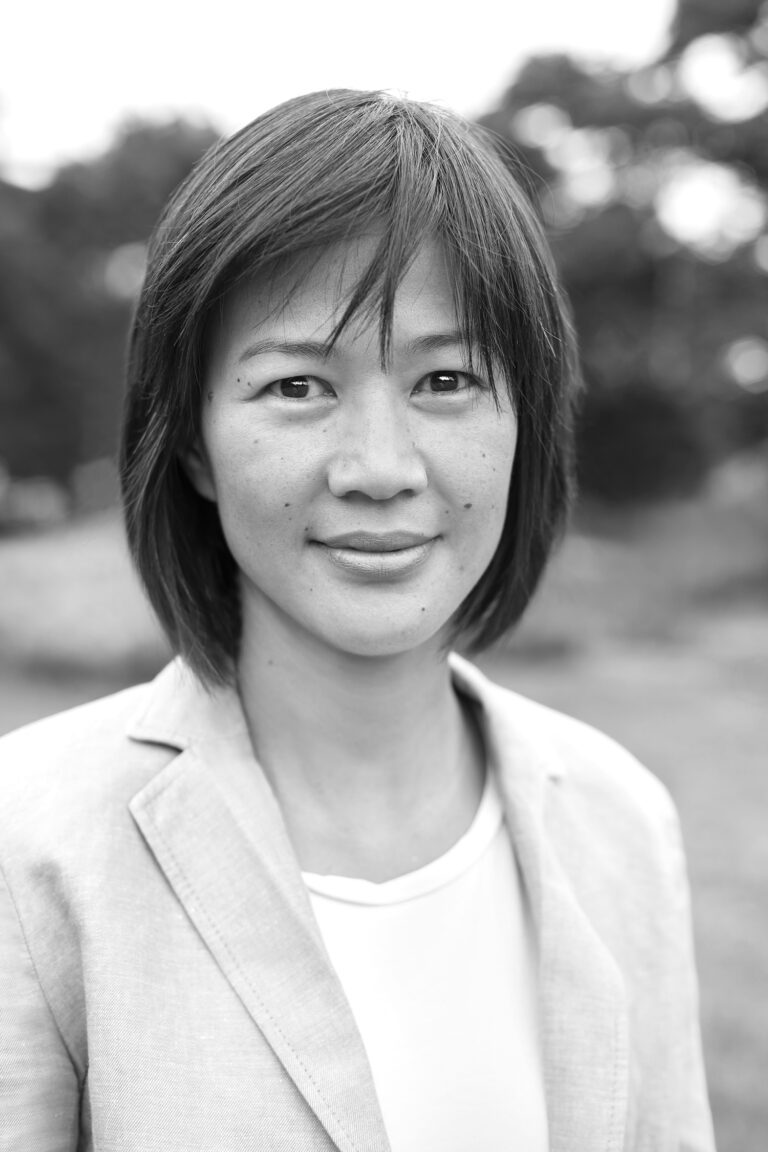
Ann Yong
Your questions are important. I help by deepening your knowing about who you are, and why you are here. You already know how to know, we…
View profile
Caroline Brown
With a background in psychodynamic, person-centred, and mindfulness-based therapies, I specialise in supporting adults who are navigating…
View profile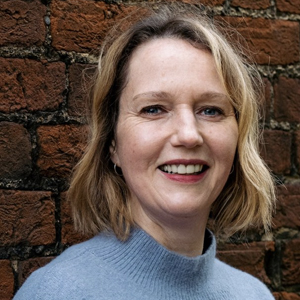
Katherine Watt
I’m a warm, perceptive and experienced therapist, trained in the person-centred approach. Person-centred counselling offers a supportive…
View profile
Adijat Eniola Fetuga
My approach to therapy is collaborative, direct, and goal-oriented. I believe in empowering clients to take an active role in their…
View profile
Arran Thomas
I find seeking therapy usually starts with seeds of hope. Hope for things to change, to become ‘unstuck’, to have understanding, to find…
View profile
Daisy Marsh
I am a dedicated therapist with experience in both online and face-to-face counselling. My focus lies in offering personalised support and…
View profileWhat to expect from CBT therapy
CBT sessions are structured and goal-focused. You and your therapist will identify the specific problems you want to work on, and together explore the thoughts and behaviours connected to them. Between sessions, you will usually be given exercises or practices to try, this practical work is a core part of how CBT builds change over time.
A good CBT therapist will be practical and collaborative rather than directive. Over time, you will build a toolkit of skills for managing difficult thoughts and feelings more effectively, skills that remain useful long after therapy ends. CBT therapists accredited by the BABCP (British Association for Behavioural and Cognitive Psychotherapies) have completed rigorous specialist training.
Frequently Asked Questions
What conditions does CBT treat?
CBT has strong evidence for anxiety disorders, depression, OCD, PTSD, phobias, social anxiety, panic disorder, eating disorders, and health anxiety. It is also widely used for stress, low self-esteem, sleep difficulties, and anger management.
How is CBT different from other therapies?
CBT is more structured and present-focused than psychodynamic or psychoanalytic therapy. It focuses on current thought patterns and behaviours rather than exploring the past in depth. Both approaches have value, your therapist can help you decide which is likely to suit you best.
How many CBT sessions do I need?
NICE guidelines recommend 8 to 16 sessions for most anxiety and depression presentations. Some people find significant improvement in fewer sessions; others benefit from a longer course. Your therapist will review progress regularly and adjust accordingly.
How much does CBT cost in East Dulwich?
Across the therapists listed on The Therapist Finder, the median fee is £85 a session, with most charging between £70 and £110. CBT in East Dulwich sits in a similar range. Some therapists keep a small number of lower cost places for people on limited incomes, so it is worth asking when you first make contact. See our UK therapy fee data for a full breakdown by therapist type and region.
Do I need a GP referral to see a CBT therapist?
No. You are free to contact a private CBT therapist directly and no referral is needed. Speaking to your GP is still sensible if you want to discuss medication or NHS talking therapies alongside private work.
Does online CBT work as well as meeting in person?
Research has repeatedly found online CBT produces similar results to face to face sessions for anxiety and depression. Most East Dulwich therapists offer both, so you might begin online and move into the consulting room later, or mix the two around work and family.