
CBT is recommended by NICE for anxiety, depression, OCD, PTSD, and a range of other conditions. The therapists listed here are accredited CBT practitioners working in and around South London.
Therapy in South London
South London is a broad, diverse area encompassing neighbourhoods including Brixton, Peckham, East Dulwich, Clapham, Streatham, Lewisham, Greenwich, and many more. It is home to a wide range of communities and has seen significant growth in independent businesses, arts, and culture in recent years. Therapy seekers across south London can access practitioners locally or online.
What is CBT therapy?
Cognitive Behavioural Therapy, CBT, is a structured, evidence-based form of therapy that focuses on the relationship between thoughts, feelings, and behaviours. The core idea is that our thoughts influence how we feel, and our feelings influence how we behave. By identifying and challenging unhelpful thought patterns, we can change how we respond to difficult situations.
CBT is one of the most extensively researched therapies in existence, with strong evidence for anxiety, depression, OCD, PTSD, phobias, eating disorders, and more. It is typically a relatively short-term therapy, often completed in 6 to 20 sessions, and is recommended by NICE (the National Institute for Health and Care Excellence) as a first-line treatment for many conditions.
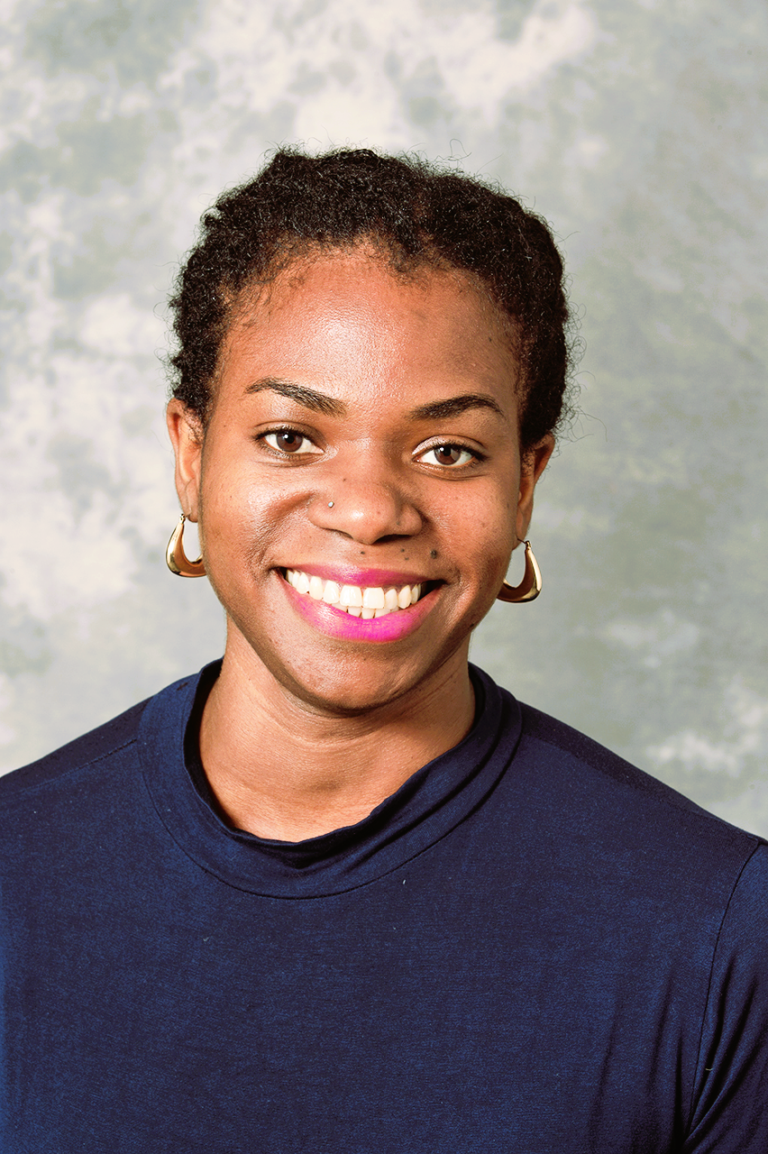
Chavel Campbell
I’m an MNCPS Accredited integrative psychotherapist offering therapy for all across the UK. Many people come to therapy carrying a lot on…
View profile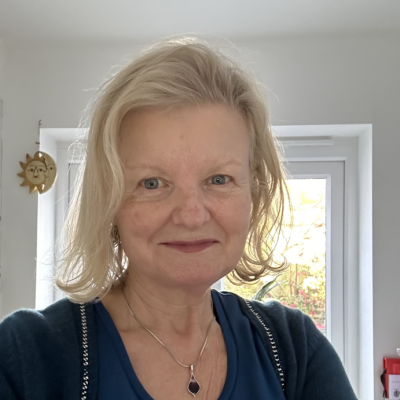
Nicola Williams
Practitioner Psychologist registered with the Health and Care Professions Council and a Chartered Associate Fellow of the British…
View profile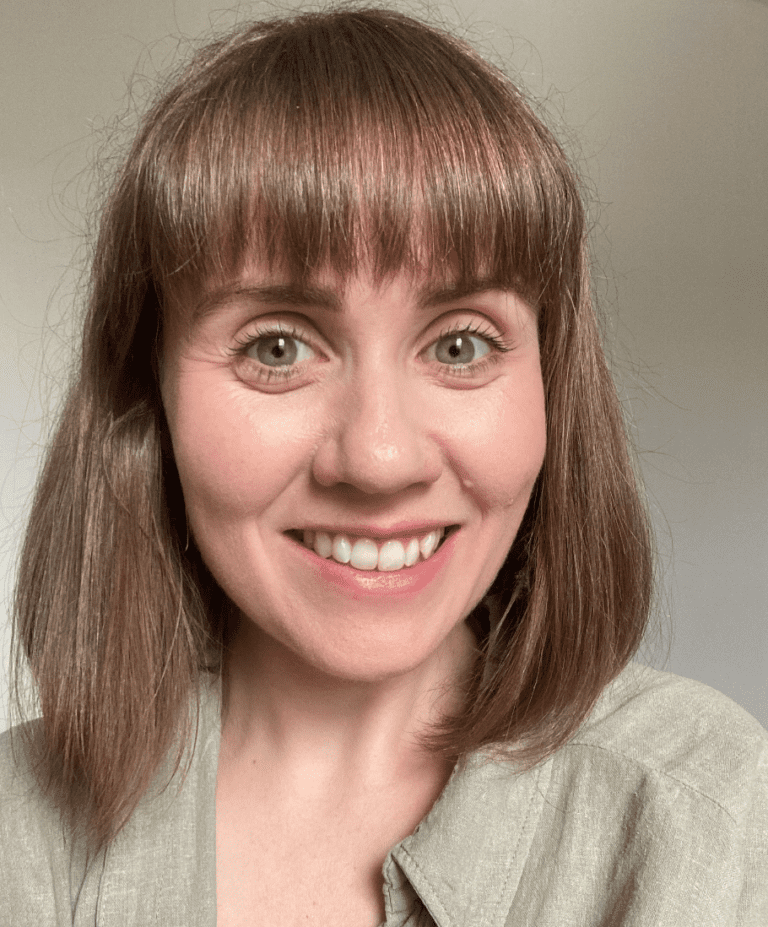
Charlotte Constable
I’m a counsellor based in Streatham and Tooting in South West London, offering in-person, online, and telephone appointments. I provide a…
View profile
Mark Hoffman
I’m an integrative counsellor and psychotherapist (MBACP) and a fully qualified, insured breathwork facilitator. I offer a warm, supportive…
View profile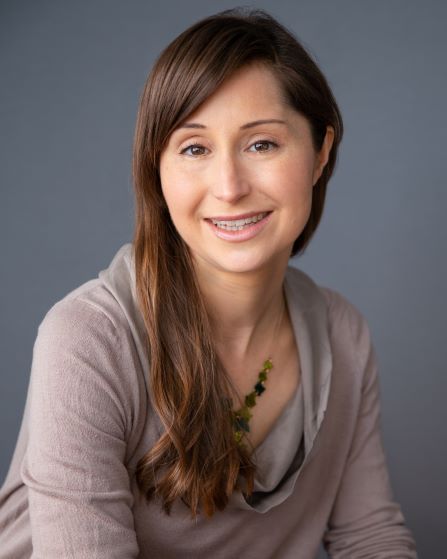
Miriam Christie
If you are looking for heartfelt therapy to help you to overcome difficulties in your life, you are in the right place. My particular…
View profile
Alex Solomon
I help young men struggling with anxiety, confidence, relationships and life changes.
View profile
Helen Cordery
For good or ill, our earliest relationships shape how we relate to others throughout our lives. Attachment-based psychotherapy can help you…
View profile
Tolis Marinos
MBACP-registered Gestalt counsellor and psychotherapist with over 30 years of experience supporting people through life changes. He holds a…
View profile
Emma Edwards
As a Counsellor I have worked with a variety of issues, especially those related to bereavement and loss. The experience of grief for many…
View profile
Polly Watson
I am a trained psychodynamic counsellor working with adults, young people and children, offering in-person sessions in Wimbledon and online…
View profile
Britta Bielenb
I joined UKCP as a fully accredited clinical member several years ago, having completed an MA and diploma in Gestalt therapy for individual…
View profile
Ayo Adesioye
BACP-registered, integrative psychotherapist based in south-east London. She holds a Postgraduate Diploma in Integrative Counselling and…
View profileWhat to expect from CBT therapy
CBT sessions are structured and goal-focused. You and your therapist will identify the specific problems you want to work on, and together explore the thoughts and behaviours connected to them. Between sessions, you will usually be given exercises or practices to try, this practical work is a core part of how CBT builds change over time.
A good CBT therapist will be practical and collaborative rather than directive. Over time, you will build a toolkit of skills for managing difficult thoughts and feelings more effectively, skills that remain useful long after therapy ends. CBT therapists accredited by the BABCP (British Association for Behavioural and Cognitive Psychotherapies) have completed rigorous specialist training.
Frequently Asked Questions
What conditions does CBT treat?
CBT has strong evidence for anxiety disorders, depression, OCD, PTSD, phobias, social anxiety, panic disorder, eating disorders, and health anxiety. It is also widely used for stress, low self-esteem, sleep difficulties, and anger management.
How is CBT different from other therapies?
CBT is more structured and present-focused than psychodynamic or psychoanalytic therapy. It focuses on current thought patterns and behaviours rather than exploring the past in depth. Both approaches have value, your therapist can help you decide which is likely to suit you best.
How many CBT sessions do I need?
NICE guidelines recommend 8 to 16 sessions for most anxiety and depression presentations. Some people find significant improvement in fewer sessions; others benefit from a longer course. Your therapist will review progress regularly and adjust accordingly.
How much does CBT cost in South London?
Private therapy in London typically ranges from around £50 to £100 per session, and CBT sits within that range. Because CBT is often a shorter piece of work with a clear focus, the overall cost can be more predictable than open-ended therapy. Profiles on The Therapist Finder list each therapist’s current fees. You can compare this against median therapy fees in the UK.
Can I do CBT online?
Yes. Online CBT is well researched and works well for many people. The structure of CBT, with its focus on specific goals and between-session tasks, translates naturally to video sessions. Many CBT therapists in South London offer both online and in-person appointments.
Do I need a GP referral for private CBT?
No. You contact a private CBT therapist directly, with no referral needed. A GP referral is only required for NHS talking therapies, which often involve a wait. Booking privately usually means starting sooner and having more say over who you work with.