
The therapists on this page offer grief counselling in South London and nearby areas, with both in-person and online appointments available. All specialise in bereavement and loss.
Therapy in South London
South London is a broad, diverse area encompassing neighbourhoods including Brixton, Peckham, East Dulwich, Clapham, Streatham, Lewisham, Greenwich, and many more. It is home to a wide range of communities and has seen significant growth in independent businesses, arts, and culture in recent years. Therapy seekers across south London can access practitioners locally or online.
What is bereavement therapy?
Grief is the natural response to loss. Most commonly this is the death of someone we love, but grief can also follow the end of a relationship, a miscarriage, the loss of a role or identity, or any significant change that takes away something we were counting on.
Grief does not follow a predictable path. It can be consuming and overwhelming, or it can arrive in waves — sometimes months or years after the loss. For some people, grief becomes stuck. They find they cannot move forward, or that loss has reopened earlier wounds. Bereavement therapy offers a dedicated space to grieve fully, without pressure, judgement, or a timeline.
Nicola Williams
Practitioner Psychologist registered with the Health and Care Professions Council and a Chartered Associate Fellow of the British…
View profile
Charlotte Constable
I’m a counsellor based in Streatham and Tooting in South West London, offering in-person, online, and telephone appointments. I provide a…
View profile
Mark Hoffman
I’m an integrative counsellor and psychotherapist (MBACP) and a fully qualified, insured breathwork facilitator. I offer a warm, supportive…
View profile
Alex Solomon
I help young men struggling with anxiety, confidence, relationships and life changes.
View profile
Helen Cordery
Attachment-based psychoanalytic psychotherapist and supervisor, working in private practice, with 15+ years of experience.
View profile
Tolis Marinos
MBACP-registered Gestalt counsellor and psychotherapist with over 30 years of experience supporting people through life changes. He holds a…
View profile
Emma Edwards
As a Counsellor I have worked with a variety of issues, especially those related to bereavement and loss. The experience of grief for many…
View profile
David Hargreaves
BACP Accredited integrative counsellor based in Penge, South East London. He holds a Diploma in Counselling with Distinction and his BACP…
View profile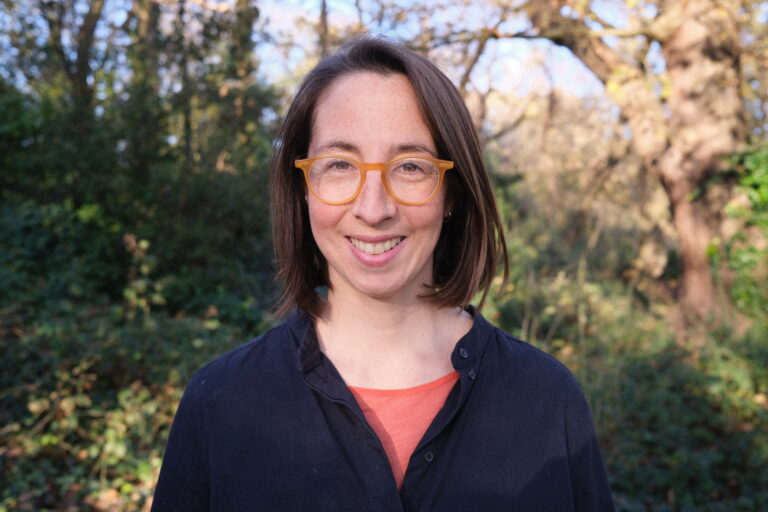
Helen Jack
Hello, I’m Helen (she/her), an integrative psychotherapist based in South London. I offer counselling and therapy for anxiety, low…
View profile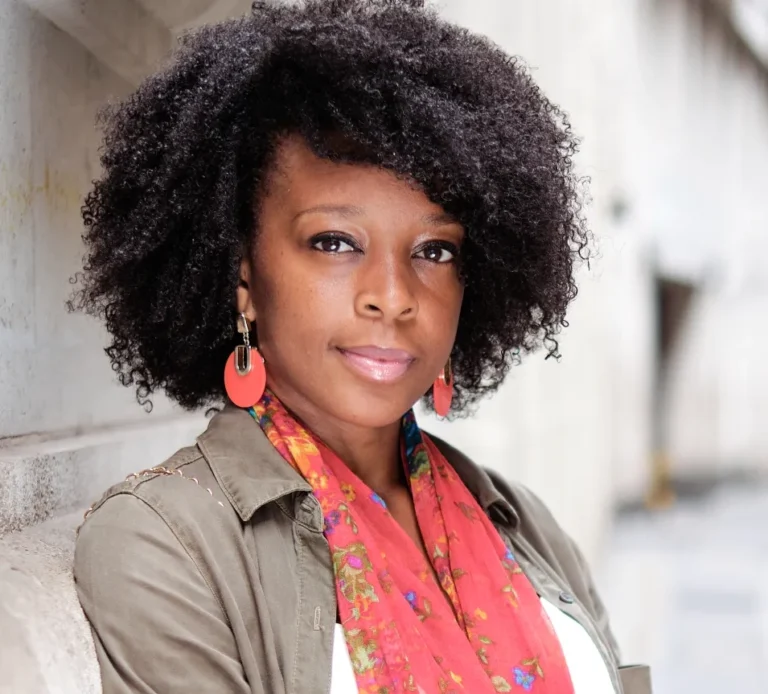
Jannelle Johnson
MBACP registered integrative psychotherapist and coach based in Wimbledon, South West London. She combines the depth of psychotherapeutic…
View profile
Rebecca Greene
I provide counselling and psychotherapy for children and young people in a safe and supportive environment where they can explore their…
View profile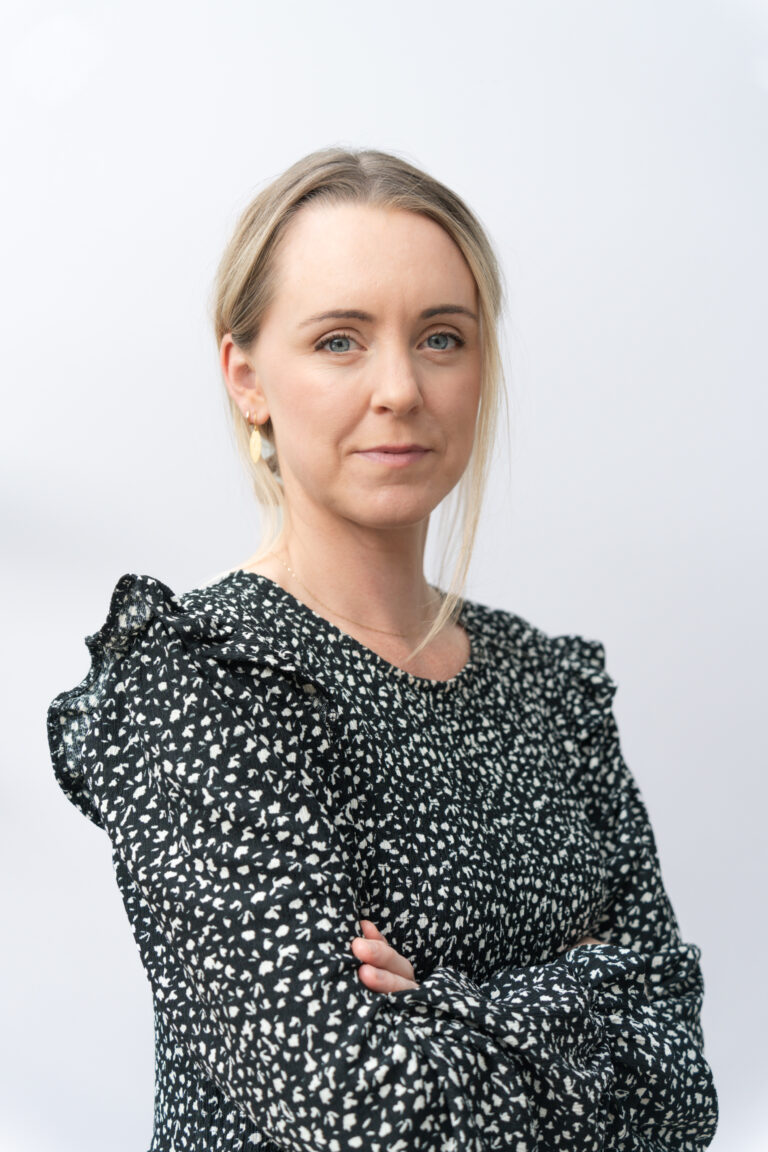
Emma Malone
I work integratively – tailoring sessions to what best serves your individual needs. My core training is rooted in Psychodynamic…
View profileWhat to expect from bereavement therapy
Bereavement therapy is led entirely by your pace and your experience of loss. Your therapist is not there to move you through stages of grief or tell you what to feel — they are there to sit with you in it, help you make sense of your experience, and support you in finding a way to carry what has happened.
Some people need only a handful of sessions; others benefit from longer-term support, particularly when the loss is complex, unexpected, or traumatic, or when grief has reopened earlier wounds. Therapy can also be helpful for those supporting a grieving partner, parent, or child, and for people who feel they should be over it by now but aren't.
Frequently Asked Questions
How long after a bereavement should I wait before starting therapy?
There is no right answer. Some people find it helpful to start therapy soon after a loss, to have a supported space during the acute phase. Others come to therapy months or years later. The most important thing is that you access support when you feel ready.
Is grief therapy different from regular therapy?
Not fundamentally — good therapy always makes space for loss. However, a therapist experienced in bereavement will understand the specific dimensions of grief: the physical responses, the non-linear nature, the complicated feelings that often accompany loss, including relief, guilt, or anger.
Can grief therapy help with complicated grief?
Yes — prolonged grief disorder (sometimes called complicated grief) is a recognised condition in which grief does not ease over time and significantly impairs daily functioning. Specialist bereavement therapy can be very effective in these cases.
How much does grief counselling cost in South London?
Private therapy in London typically ranges from around £50 to £100 per session. Fees vary with each therapist’s experience and training, and some offer reduced rates. Every profile on The Therapist Finder lists the therapist’s current fees, so you know where you stand before you get in touch. You can compare this against median therapy fees in the UK.
Do I need a GP referral for grief counselling?
No. You contact a private grief counsellor directly, with no referral needed. GP referrals are only required for NHS talking therapies, which often involve waiting. After a loss, being able to start when you feel ready, without a wait, matters to many people.
Can I have grief counselling online?
Yes. Many of the therapists listed in South London offer online sessions as well as in-person appointments. Grief can make even small journeys feel heavy, and some people find online sessions gentler to begin with. Others prefer the quiet of a therapy room. Both can work well.