
Looking for a trauma therapist in Hackney? This page lists qualified practitioners in and around the area who specialise in trauma and PTSD, offering evidence-based approaches including EMDR and somatic therapy.
Therapy in Hackney
Hackney is a diverse, creative neighbourhood in east London, within the London Borough of Hackney. Known for its thriving arts scene, independent businesses, and vibrant communities, it spans areas including Dalston, London Fields, and Homerton. Hackney is served by the Overground at multiple stations — including Hackney Central, Hackney Downs, and London Fields — offering connections across east, south, and central London.
What is trauma therapy?
Trauma is a natural response to overwhelming or threatening experiences. It can follow a single event — such as an accident, assault, or sudden bereavement — or develop through sustained adversity such as childhood neglect, domestic abuse, or long-term illness. Post-Traumatic Stress Disorder (PTSD) develops when the brain and nervous system remain in a state of heightened threat long after the danger has passed.
Common experiences include flashbacks, nightmares, emotional numbing, hypervigilance, and strong avoidance of anything connected to the trauma. Trauma affects people differently, and it is important to work with a therapist who has specific training in trauma-informed approaches — therapy that moves too quickly or is not properly attuned can make things worse.
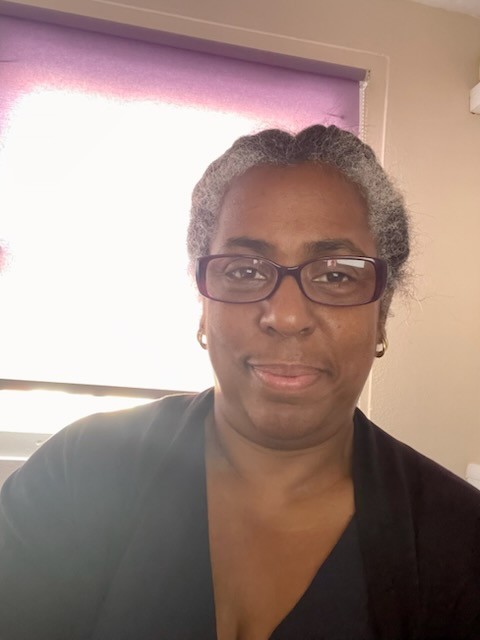
Mary Thomas
With a Humanistic Integrative approach, this counsellor places the client at the centre of the therapeutic process, adapting their work to…
View profile
Kelly Field
Life can sometimes leave us feeling overwhelmed, disconnected, stuck, or lost in patterns that no longer serve us. You may be struggling…
View profile
Madeleine Roantree
Life can become difficult for many reasons. You may be feeling anxious, overwhelmed, low in mood, stuck in unhelpful patterns, struggling…
View profile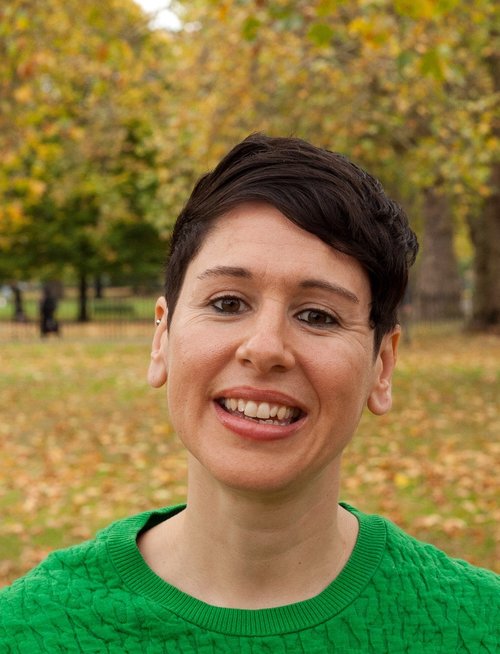
Rachael Peacock
By working with me in a therapy relationship, you’re invited to explore whatever you wish in an environment where the need for…
View profile
James Crossland
I am an integrative counsellor and founder of Crossway Therapy, working with individuals and couples. I have experience supporting people…
View profile
Mark Crow
For years I have worked with adults (18+) of all ages, helping them to find peace, stability and meaning. I bring in different but…
View profile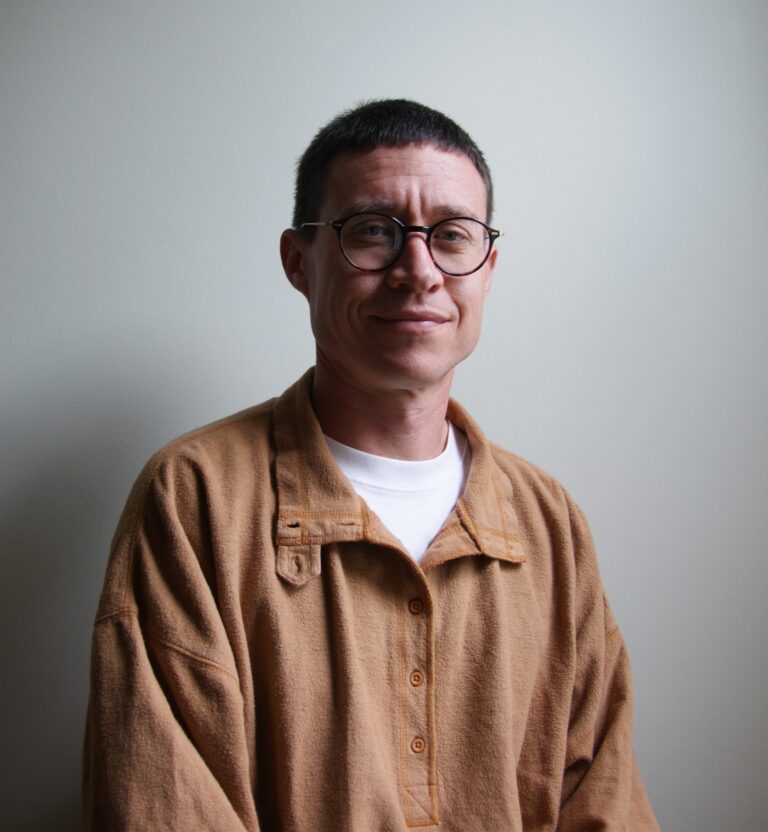
Matthew Daniel
I have a MSc in Therapeutic counselling and work integratively, which means a range of therapeutic tools and ideas are available to us…
View profile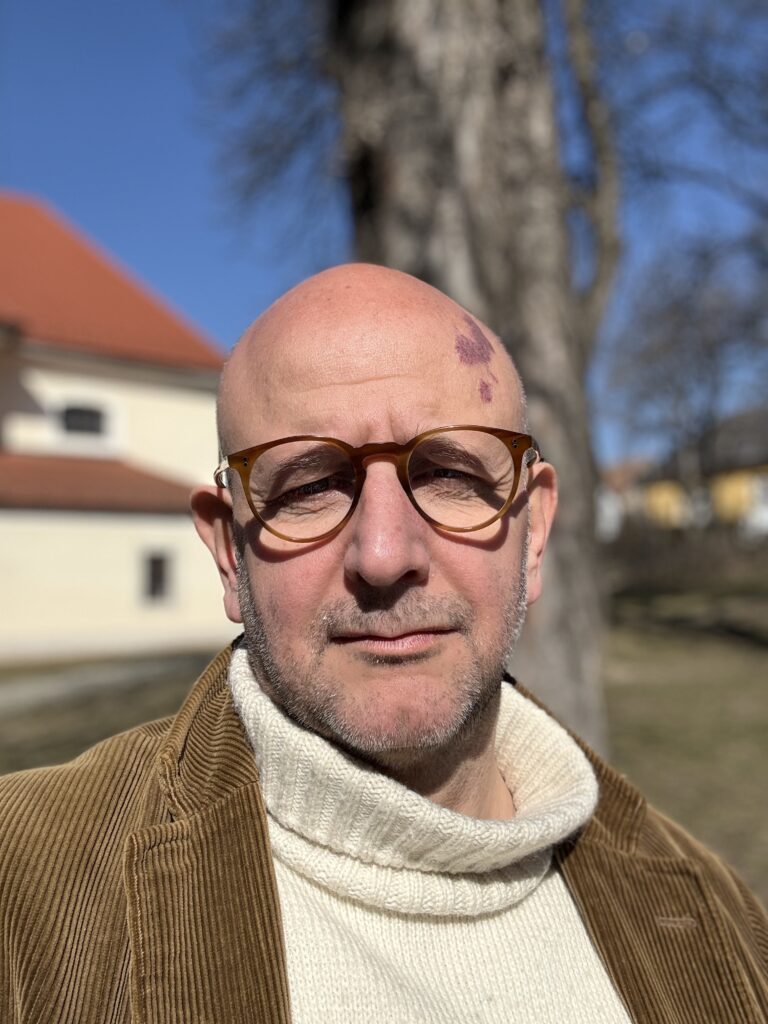

Oliver Fallon
I offer specialist therapy for eating disorders and OCD, on Zoom or face-to-face. I have extensive experience working in these areas in the…
View profile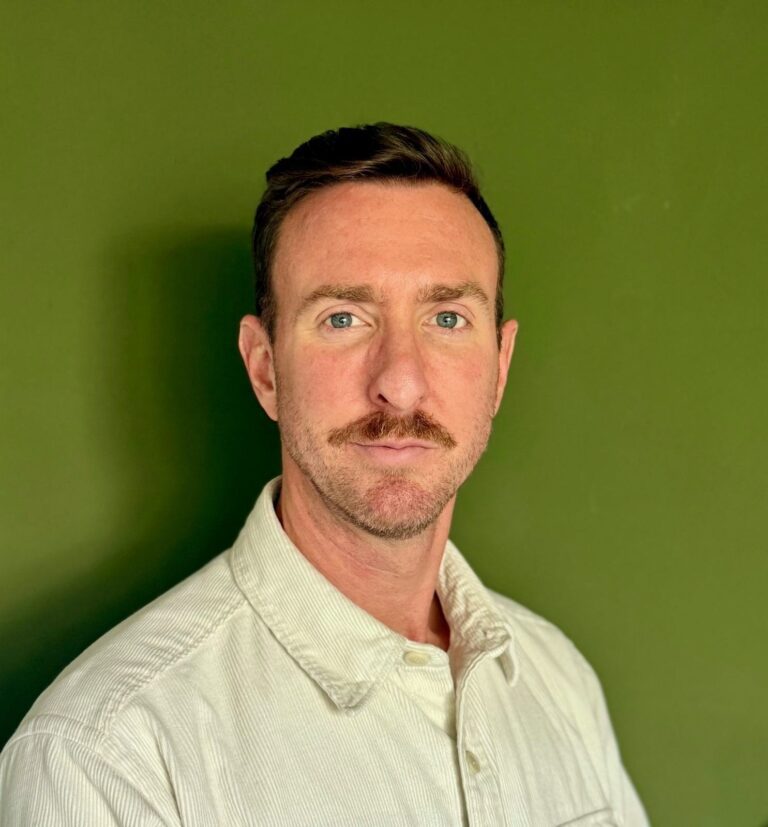
Chris Bancroft
I work with individuals, couples, polycules and families of all genders, sexualities, backgrounds and neurotypes. I am a gay man and have…
View profile
Bjorn Ventris
Some issues I help clients with include: improving communication, dealing with conflict, long term commitment, consensual non-monogamy…
View profile
Olivia Lang
BACP-registered trauma-informed integrative psychotherapist working in North and East London and online. She holds a PG Dip Advanced in…
View profileWhat to expect from trauma therapy
Trauma therapy is always paced carefully. Initial sessions focus on building trust, safety, and stability before approaching the traumatic material itself. Your therapist will never push you to revisit experiences before you are ready.
EMDR (Eye Movement Desensitisation and Reprocessing) is one of the most well-evidenced trauma treatments, helping the brain to process and integrate traumatic memories. Somatic therapy works with the body's responses, recognising that trauma is held in the nervous system as well as the mind. Trauma-focused CBT is another widely used approach. Progress in trauma therapy is not always linear, but most people experience meaningful relief over time.
Frequently Asked Questions
What is the difference between trauma and PTSD?
Trauma refers broadly to the psychological impact of overwhelming experiences. PTSD is a specific clinical diagnosis that occurs when trauma symptoms — including flashbacks, avoidance, and hyperarousal — persist for more than a month and significantly impact daily life. Both can be effectively treated with specialist therapy.
What is EMDR and does it work?
EMDR (Eye Movement Desensitisation and Reprocessing) is a structured therapy recommended by NICE for PTSD. It uses bilateral stimulation — often eye movements — while the person recalls traumatic memories, helping the brain to reprocess them. Research strongly supports its effectiveness.
How long does trauma therapy take?
This varies considerably depending on the complexity and duration of the trauma. Some people find significant relief in 8 to 12 sessions of focused trauma therapy. Complex or childhood trauma usually requires a longer course of work. Your therapist will give you a realistic sense of timescales after an initial assessment.