
The therapists on this page offer CBT therapy in London and nearby areas. All are accredited practitioners trained in Cognitive Behavioural Therapy, with specialisms across anxiety, depression, and more.
Therapy in London
London is one of the world's most diverse cities, with a population of over nine million people. Access to mental health support — whether in person or online — has never been more important. The Therapist Finder lists accredited therapists across all London boroughs, making it straightforward to find qualified support wherever you are in the city.
What is CBT therapy?
Cognitive Behavioural Therapy — CBT — is a structured, evidence-based form of therapy that focuses on the relationship between thoughts, feelings, and behaviours. The core idea is that our thoughts influence how we feel, and our feelings influence how we behave. By identifying and challenging unhelpful thought patterns, we can change how we respond to difficult situations.
CBT is one of the most extensively researched therapies in existence, with strong evidence for anxiety, depression, OCD, PTSD, phobias, eating disorders, and more. It is typically a relatively short-term therapy — often completed in 6 to 20 sessions — and is recommended by NICE (the National Institute for Health and Care Excellence) as a first-line treatment for many conditions.
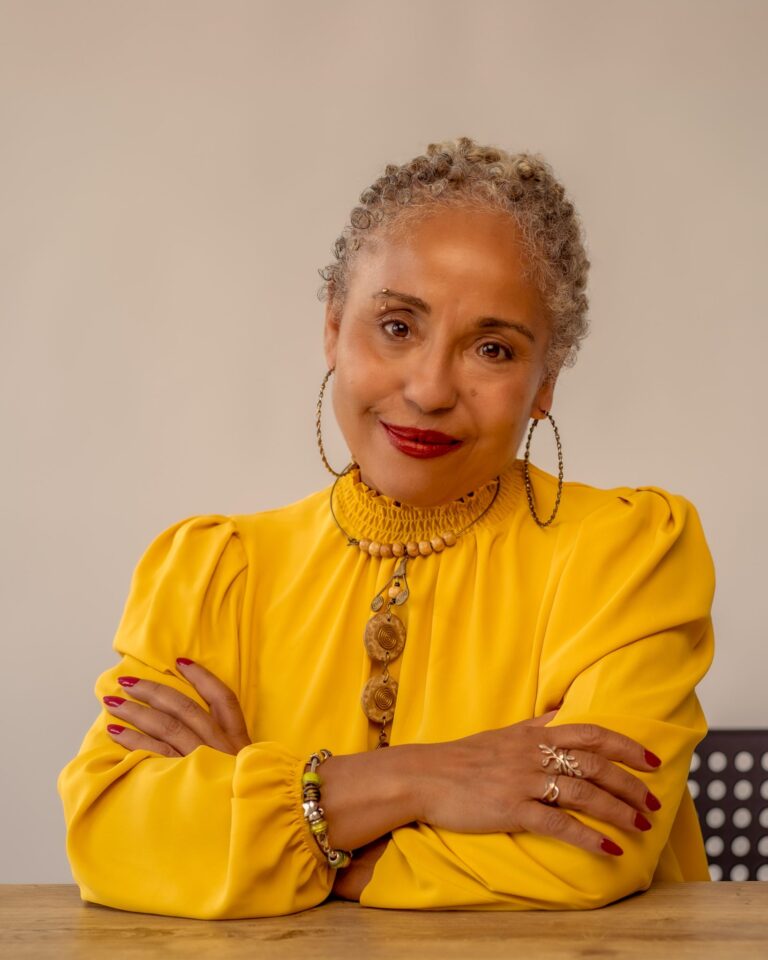
Judith Worrell
I am an accredited Counsellor, Psychotherapist, Supervisor and Coach with over 30 years of experience across social work, mental health…
View profile
Lisa Morgan
I offer high-quality ADHD diagnostic assessments for adults, alongside post-assessment support to help you understand the outcome and…
View profile
Robert O'Flaherty
Specialising in men’s issues, including sex problems (erectile dysfunction, premature ejaculation, sex addiction / sexual compulsions, and…
View profile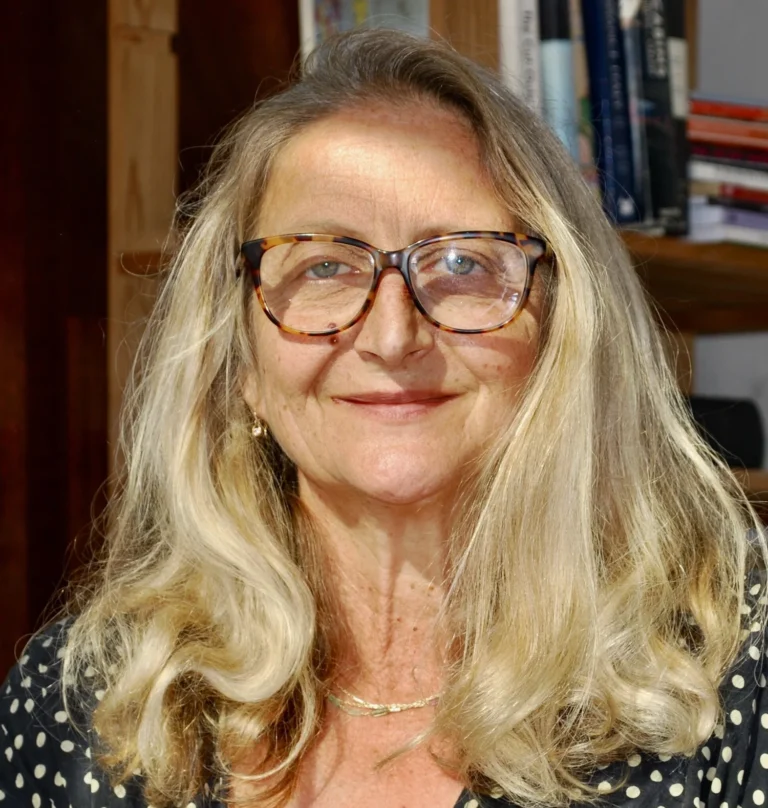
Sara Saxon
Seeking support can sometimes feel difficult, but I see it as a thoughtful and constructive step towards understanding and change. I offer…
View profile
Semeyra Sarwar
Semeyra is a BACP-accredited counsellor with over 15 years’ experience supporting adults and young people with their mental health, life…
View profile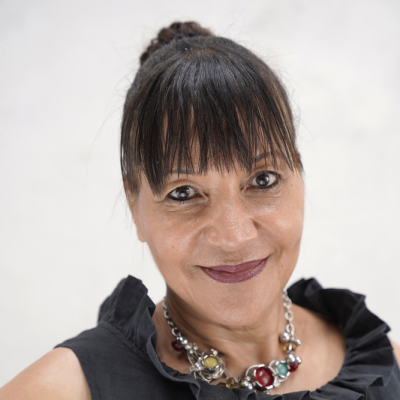
Sophie Amoni
I am an experienced integrative psychotherapist (MA, IFS Level 3) working with individuals, couples and a range of relationship structures…
View profile
John Ridley
MBACP member and MNCPS Accredited integrative counsellor and CBT therapist practising in Soho, Central London, and online for clients…
View profile
Edoardo Zollo
A successful relationship is an incredible but continuously developing machine, and it requires constant work! If you want absolute…
View profile
Dr Anne Li
I am a Chartered Counselling Psychologist with over 14 years of clinical experience across the NHS and private practice. I am registered…
View profile
Lucy Roberts
UKCP-accredited and BACP-registered psychotherapist and fertility counsellor, based at The Practice in Great Portland Street, London W1W…
View profile
Simon Rudd
UKCP registered and MBACP member integrative psychotherapist practising in Bloomsbury, Central London, and online. He trained at the…
View profile
Hannah Jackson-McCamley
I am an experienced psychotherapist with a background in NHS services, including sexual violence, and private practice. I support clients…
View profileWhat to expect from CBT therapy
CBT sessions are structured and goal-focused. You and your therapist will identify the specific problems you want to work on, and together explore the thoughts and behaviours connected to them. Between sessions, you will usually be given exercises or practices to try — this practical work is a core part of how CBT builds change over time.
A good CBT therapist will be practical and collaborative rather than directive. Over time, you will build a toolkit of skills for managing difficult thoughts and feelings more effectively — skills that remain useful long after therapy ends. CBT therapists accredited by the BABCP (British Association for Behavioural and Cognitive Psychotherapies) have completed rigorous specialist training.
Frequently Asked Questions
What conditions does CBT treat?
CBT has strong evidence for anxiety disorders, depression, OCD, PTSD, phobias, social anxiety, panic disorder, eating disorders, and health anxiety. It is also widely used for stress, low self-esteem, sleep difficulties, and anger management.
How is CBT different from other therapies?
CBT is more structured and present-focused than psychodynamic or psychoanalytic therapy. It focuses on current thought patterns and behaviours rather than exploring the past in depth. Both approaches have value — your therapist can help you decide which is likely to suit you best.
How many CBT sessions do I need?
NICE guidelines recommend 8 to 16 sessions for most anxiety and depression presentations. Some people find significant improvement in fewer sessions; others benefit from a longer course. Your therapist will review progress regularly and adjust accordingly.