
This directory brings together grief counsellors and bereavement therapists working in and around Fulham. Search by availability and session type — in person or online — to find the right support.
Therapy in Fulham
Fulham is an affluent residential neighbourhood in the London Borough of Hammersmith and Fulham, located in south-west London between Chelsea and Putney. Known for its riverside walk, leafy streets, and vibrant local high streets, Fulham attracts a mix of families and young professionals. It is served by the District line at Fulham Broadway and Parsons Green stations, with good connections to central London.
What is bereavement therapy?
Grief is the natural response to loss. Most commonly this is the death of someone we love, but grief can also follow the end of a relationship, a miscarriage, the loss of a role or identity, or any significant change that takes away something we were counting on.
Grief does not follow a predictable path. It can be consuming and overwhelming, or it can arrive in waves — sometimes months or years after the loss. For some people, grief becomes stuck. They find they cannot move forward, or that loss has reopened earlier wounds. Bereavement therapy offers a dedicated space to grieve fully, without pressure, judgement, or a timeline.
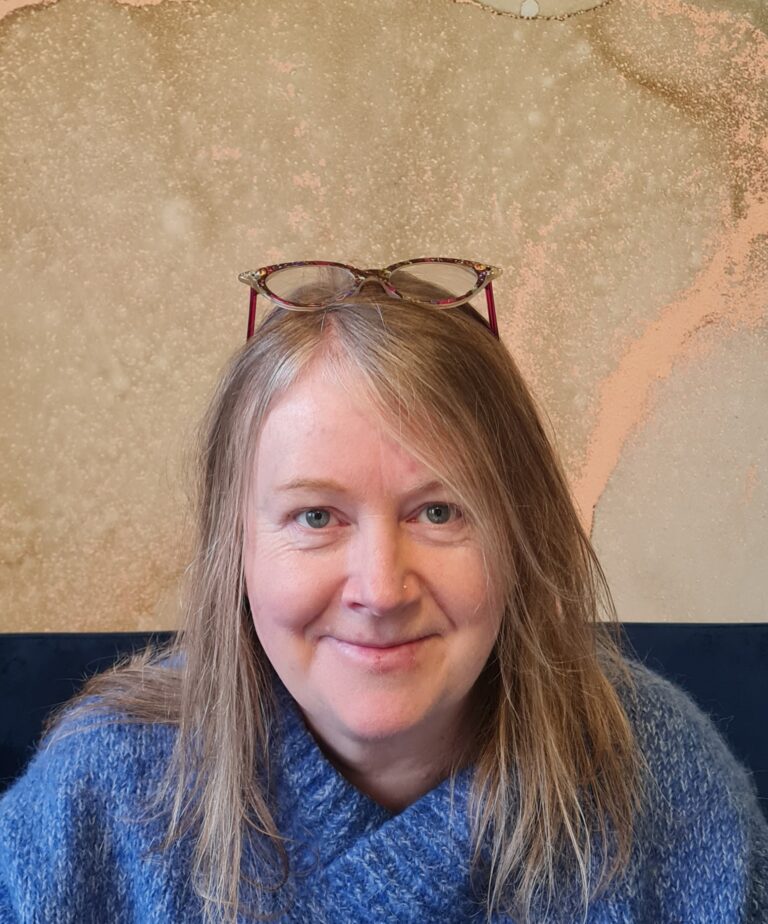
Áine Hayes
I have been working as a therapist for almost 30 years and have a background in mental health and in the charity sector, working with a…
View profile
Marina Palmer
I am a BACP Accredited Counsellor with twelve years’ experience, offering individual counselling to adults, aged 18 and above…
View profile
James Darby
I have 15+ years of experience working with a wide range of presenting issues (trauma, abandonment, attachment, depression, anxiety, grief…
View profile
April Haesler
I have experience working with a diverse range of presentations and difficulties, including trauma, PTSD, depression, anxiety, living with…
View profile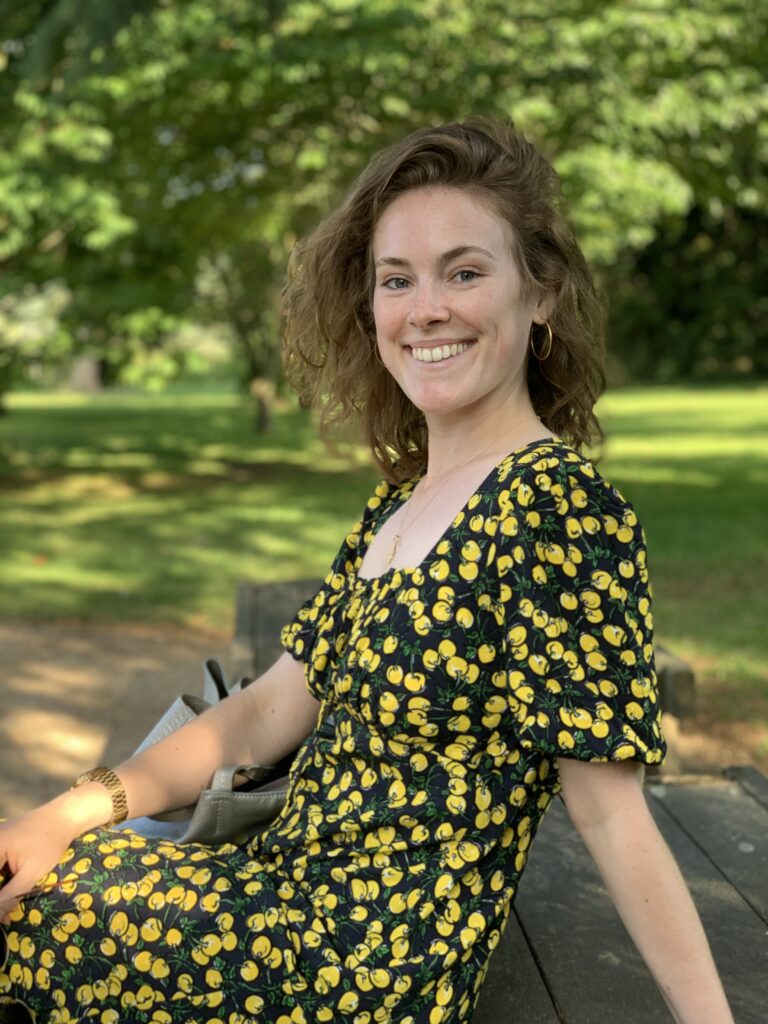
Olivia Easter
Many of the people I work with come to therapy feeling exhausted from holding it all together. They might be living with anxiety or…
View profile
Deniz Sarper
“Hi! I’m Deniz Sarper, a certified Psychotherapist and Relationship Specialist specialising in Transactional Analysis. My…
View profile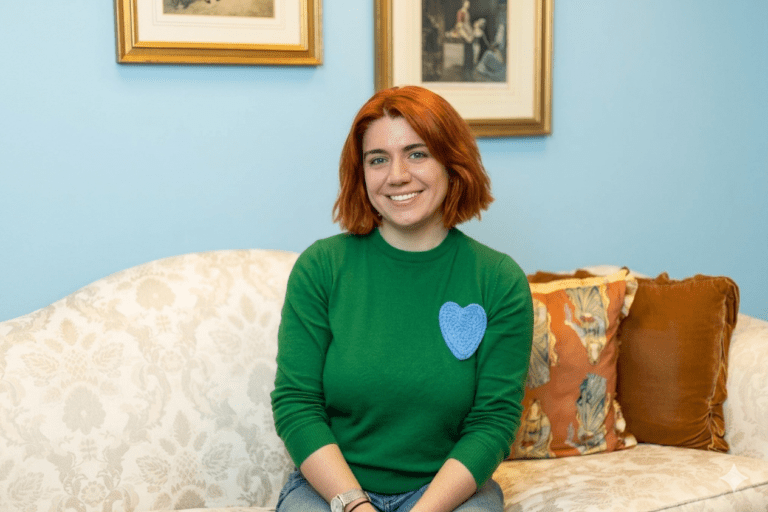
Anne Remy
I specialize in trauma, stuck patterns, immigration and living abroad, although I work with a wide variety of needs. I use a combination of…
View profile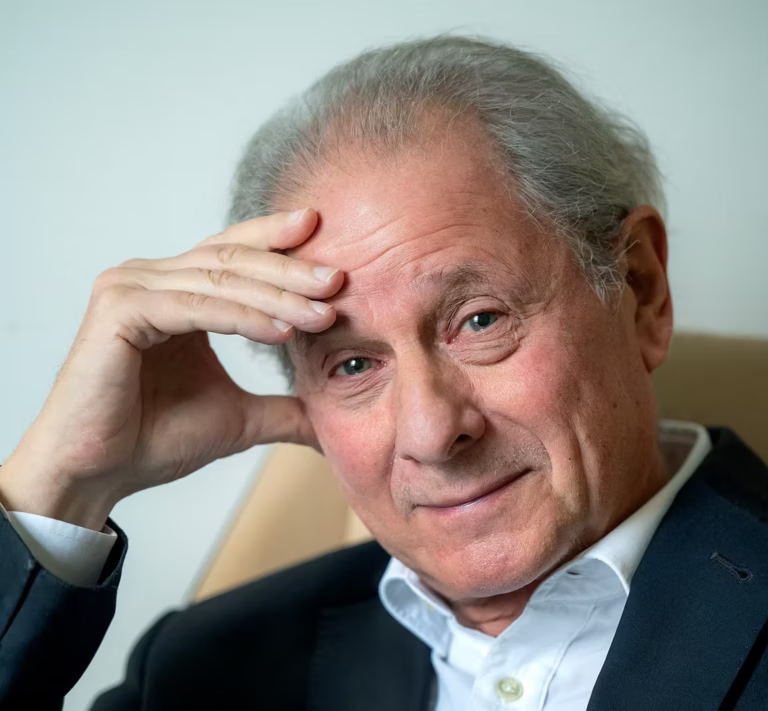
Eric Bettelheim
I am a psychoanalytic psychotherapist with over 15 years of personal and professional experience, trained with the Society of Analytical…
View profile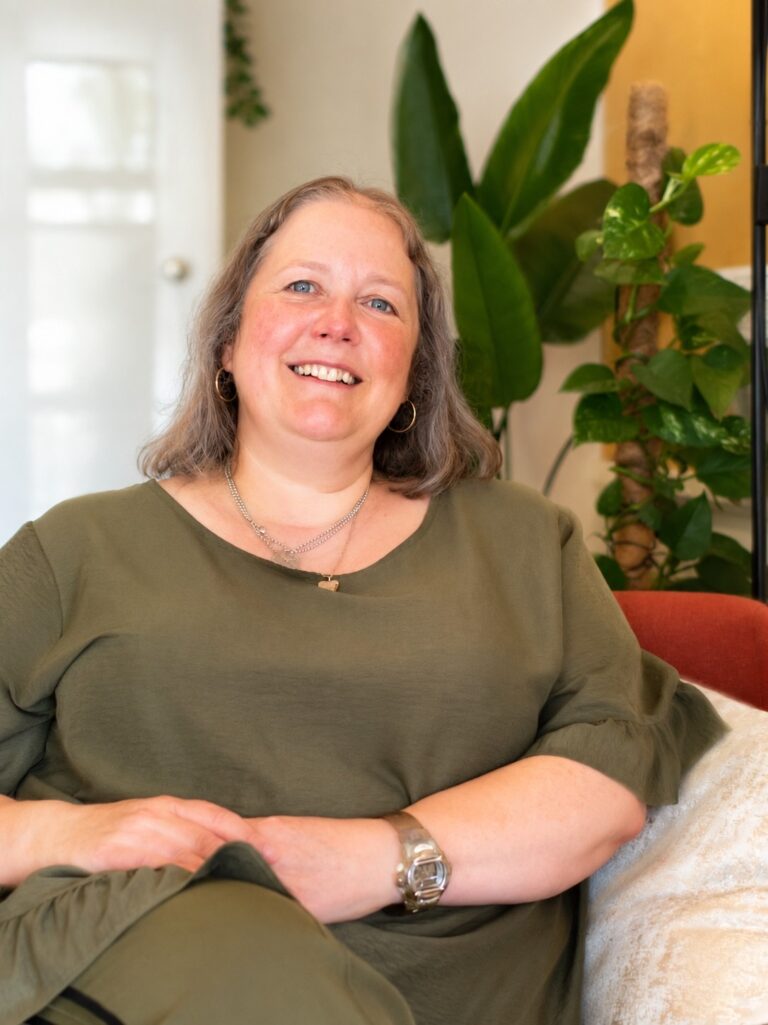
Sue Wilson
Experienced BACP-accredited integrative therapist supporting adults in-person, online and by telephone. I hold a BSc in Psychology &…
View profile
Amanda Rijlaarsdam
UKCP registered and AHPP accredited body psychotherapist based in Ealing, West London. Body psychotherapy is a holistic, integrative…
View profile
Luana Lamantea
I can help you explore the difficulties, worries or life experiences that have brought you to therapy, at a pace that feels right for you…
View profile
Katie Fowler
I have worked as a CBT Therapist in the NHS for over 10 years. I previously held a Senior CBT Therapist role in an NHS service in West…
View profileWhat to expect from bereavement therapy
Bereavement therapy is led entirely by your pace and your experience of loss. Your therapist is not there to move you through stages of grief or tell you what to feel — they are there to sit with you in it, help you make sense of your experience, and support you in finding a way to carry what has happened.
Some people need only a handful of sessions; others benefit from longer-term support, particularly when the loss is complex, unexpected, or traumatic, or when grief has reopened earlier wounds. Therapy can also be helpful for those supporting a grieving partner, parent, or child, and for people who feel they should be over it by now but aren't.
Frequently Asked Questions
How long after a bereavement should I wait before starting therapy?
There is no right answer. Some people find it helpful to start therapy soon after a loss, to have a supported space during the acute phase. Others come to therapy months or years later. The most important thing is that you access support when you feel ready.
Is grief therapy different from regular therapy?
Not fundamentally — good therapy always makes space for loss. However, a therapist experienced in bereavement will understand the specific dimensions of grief: the physical responses, the non-linear nature, the complicated feelings that often accompany loss, including relief, guilt, or anger.
Can grief therapy help with complicated grief?
Yes — prolonged grief disorder (sometimes called complicated grief) is a recognised condition in which grief does not ease over time and significantly impairs daily functioning. Specialist bereavement therapy can be very effective in these cases.