
Relationship counselling in Streatham is offered by qualified practitioners trained in approaches including attachment-based therapy, emotionally focused therapy, and psychodynamic work. Browse accredited therapists below.
Therapy in Streatham
Streatham is one of south London's largest residential neighbourhoods, located in the London Borough of Lambeth. It has a diverse, multicultural community and a busy high road with a range of independent and well-known businesses. Streatham is well-connected by train to Victoria and Blackfriars, with tram links running south to Croydon. It borders Brixton, Balham, and Norwood.
What is relationship therapy?
Relationship difficulties are one of the most common reasons people seek therapy — whether they come alone or with a partner. They can range from recurring arguments and communication breakdowns to emotional distance, trust issues, or the lingering effects of an affair or betrayal.
Sometimes there is no dramatic event — just a gradual growing apart, or a persistent sense that real connection has been lost. Individual therapy for relationship issues can be just as valuable as couples therapy — it helps you understand your own patterns, what you bring to relationships, and what you genuinely need.
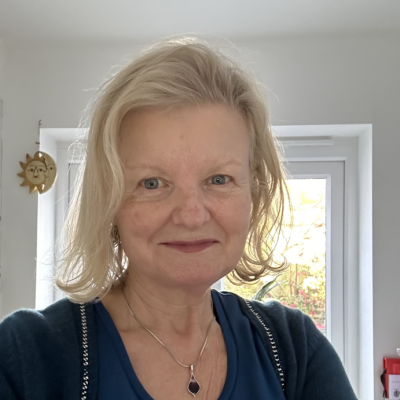
Nicola Williams
Practitioner Psychologist registered with the Health and Care Professions Council and a Chartered Associate Fellow of the British…
View profile
Charlotte Constable
I’m a counsellor based in Streatham and Tooting in South West London, offering in-person, online, and telephone appointments. I provide a…
View profile
Mark Hoffman
I’m an integrative counsellor and psychotherapist (MBACP) and a fully qualified, insured breathwork facilitator. I offer a warm, supportive…
View profile
Emma Malone
I work integratively – tailoring sessions to what best serves your individual needs. My core training is rooted in Psychodynamic…
View profile
Amandeep Chana
As an integrative counsellor with a CBT-informed approach, I offer a safe, warm and welcoming space where you can be yourself and speak…
View profile
Piers Hadman
BACP registered integrative counsellor based in South West London. He practises from a distinctly neuro-affirmative stance, taking a…
View profile
Silvi Naskinova
I can help you understand how past and present experiences may be shaping your relationships, emotions and ways of coping. Working…
View profile
Angela Risner
I am an accredited therapist with many years experience and can help with any issues you are experiencing offering support and reflection…
View profile
Matt Reid
BACP-accredited counsellor and clinical supervisor based at Health Hub London in Herne Hill, South London, offering both in-person and…
View profile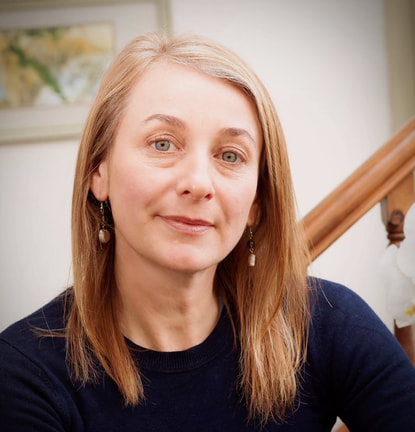
Tilly Hawkins
I am a registered counsellor and psychotherapist based in Tulse Hill, South East London, working with clients from Brixton, Herne Hill and…
View profile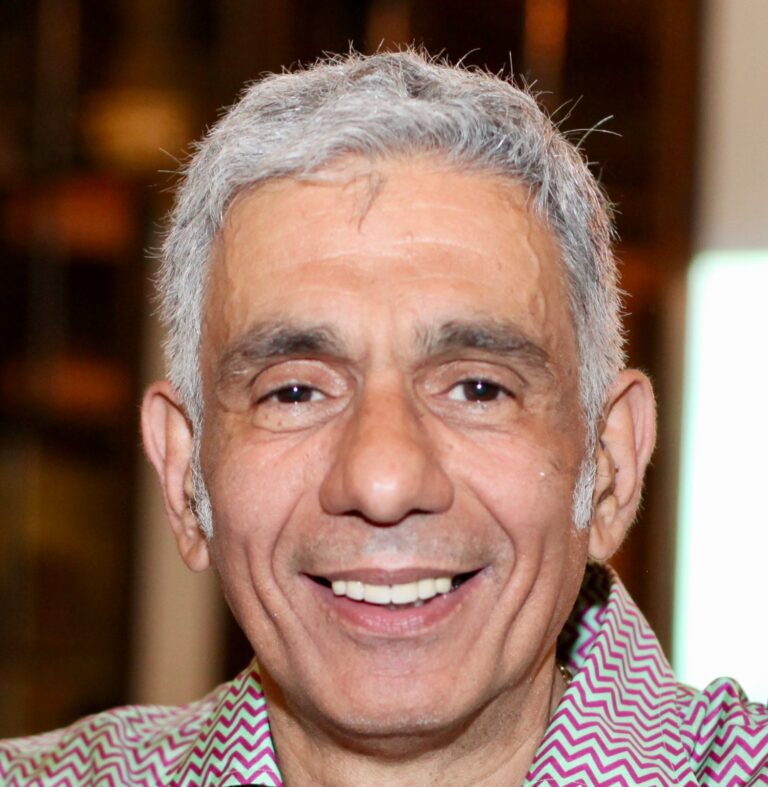
Tolis Marinos
MBACP-registered Gestalt counsellor and psychotherapist with over 30 years of experience supporting people through life changes. He holds a…
View profile
Maria Ángeles Fajardo Durán
Welcome to Honest Therapy. You may be experiencing low-mood and sadness; overwhelm or anxiety; you may be feeling stuck and unsure how to…
View profileWhat to expect from relationship therapy
Relationship therapy — whether individual or with a partner — typically begins with an exploration of current patterns: what tends to happen, how each person responds, and what has been tried so far. From there, the work goes deeper: exploring early attachment experiences, the models of relationship formed in childhood, and the hopes and fears that shape behaviour in intimate relationships.
Attachment-based approaches, psychodynamic therapy, and emotionally focused therapy are all commonly used. Progress in relationship therapy often feels non-linear — things sometimes feel harder before they feel better, as honest communication replaces silence or avoidance.
Frequently Asked Questions
Should I do individual or couples therapy for relationship issues?
Both are valuable. Individual therapy helps you understand your own patterns, what you bring to relationships, and what you need. Couples therapy brings both partners into a supported dialogue. Many people do individual therapy first, then couples therapy, or both simultaneously with different therapists.
Can therapy help after an affair?
Yes — therapy can be enormously helpful after a betrayal, whether the aim is to rebuild the relationship or to process what has happened and find a way forward. Both couples therapy and individual therapy are useful. Rebuilding trust takes time, but many couples do recover from affairs with the right support.
What if my partner refuses to come to therapy?
You can still benefit significantly from individual therapy. Understanding your own patterns and needs is valuable regardless of whether your partner is involved. Individual therapy may also help you decide what you want, and sometimes partners become open to joining later.