

Written by Luisa Kos
Table of contents


Understanding Autism Spectrum Disorder
Autism Spectrum Disorder (ASD) is a developmental disability that affects how people perceive and interact with the world. While autism is a broad range of conditions, its characteristics mainly impact social interactions, communication, and behaviour. Autism symptoms can vary significantly, from minor differences in social skills to more pronounced challenges in daily living. In fact, some individuals may exhibit repetitive behaviours, such as hand flapping or strict adherence to a routine, while others may experience sensory sensitivities to light, sound, or textures.
Autistic children often show these signs early in childhood, but many don’t receive a diagnosis until later on. Understanding the underlying factors, such as genetic and brain structural factors, can help provide the necessary support. The Therapist Finder is a valuable resource for finding therapists who can help individuals with ASD, whether they are children or adults, and provide tailored strategies to manage these challenges throughout their lives.

What is Autism?
Autism is a spectrum condition, meaning it affects people in different ways. It primarily impacts social communication, sensory processing, and behaviour. Common traits include:
- Difficulty understanding social cues or non-verbal communication
- A strong preference for routine and predictability
- Intense interests in specific topics
- Sensory sensitivities (e.g., to noise, textures, or lights)
- Differences in emotional expression and regulation
Because autism exists on a spectrum, some individuals may require more support than others. Many autistic people also have exceptional skills or unique ways of thinking that can be valuable in work and daily life.
Getting An Autism Diagnosis
Receiving an early diagnosis for autism can make a big difference in how a child or adult with autism is supported. Healthcare providers usually diagnose autism based on a thorough assessment that looks at a variety of risk factors, such as developmental disabilities or a family history of autism symptoms. The diagnosis may involve observing social interactions, communication skills, and behaviour patterns, such as a need for a consistent routine or repetitive behaviours, such as hand flapping. Steps to getting a diagnosis include:
- A detailed medical history is taken to understand any signs of developmental delays.
- Professionals assess nonverbal communication, including body language and eye contact.
- Observing how the individual reacts to different social situations and their ability to engage in social skills is a key part of the assessment.
Once diagnosed, the person can begin to access helpful information on therapies and interventions that can address the specific areas they struggle with, from improving social interactions to teaching new skills that foster independence.
What Support Is Available For People With Autism?
For those with autism, the right support can make a huge difference. There are a variety of therapies and interventions available, including behavioural, speech and language, and occupational therapies. These can be particularly useful for autistic adults and children who need help with learning new skills, improving communication, and managing repetitive behaviours. Enabling environments at home, school, or work are also critical in providing the support people with autism need to thrive.
The Therapist Finder connects individuals with autism to professionals who specialise in supporting both children and adults with developmental disabilities. Early intervention is particularly important in childhood development, as it can help children with autism acquire social skills, manage anxiety, and better engage with their environment. For autistic adults, therapy can assist in navigating social situations, building emotional regulation, and promoting independence.

Autism In Children
For autistic children, early diagnosis and intervention are crucial. Many children with autism face challenges in communication, social interactions, and adapting to new situations. Some may not make eye contact, struggle with nonverbal communication, or become distressed when faced with unfamiliar social situations. However, with the right therapies, such as speech and language therapy or behavioural interventions, these children can develop new skills and improve their ability to connect with others.
Creating a predictable, structured environment can be particularly beneficial for children with autism. The need for the same routine and predictable activities can help reduce anxiety and support positive behaviours. Therapists can work closely with families to develop enabling environments that foster growth and provide guidance on how to support children in different situations.
Autism In Adults
Autism is often perceived as something that only affects children, but many autistic adults continue to face challenges throughout their lives. For adults, the symptoms of autism can manifest in different ways, often affecting their social skills and relationships. They may struggle with nonverbal communication, such as body language, or have difficulty interpreting social cues and eye contact. Many adults also experience repetitive behaviours, like needing a consistent routine or engaging in repetitive tasks, which can impact their professional and personal lives.
However, with the right therapy and support, autistic adults can manage these challenges effectively. Social skills training and therapy can help improve communication and increase self-confidence. The Therapist Finder provides a directory of specialists who offer tailored services for autistic adults, helping them to gain greater independence and thrive in their careers and relationships.
Fact Or Fiction: Is It Harder For Autistic Women To Get Diagnosed?
Autistic women often face a greater risk of being misdiagnosed or diagnosed later in life. This is partly because autism symptoms in women may present differently than in men, and the social expectations placed on women can sometimes mask the signs of autism. Many autistic women develop coping mechanisms to fit in socially, which can make it harder for healthcare providers to diagnose autism. Some of the reasons women are often diagnosed later in life include:
- Women may present fewer repetitive behaviours and may be more socially adept, despite struggling with other aspects of autism, like social interactions or sensory sensitivities.
- Autistic women are also at a higher risk of developing mental health conditions, such as depression or anxiety, which can complicate the diagnosis.
- The lack of research focused on how autism affects women means that many women go undiagnosed until adulthood, when the stress of managing their condition becomes more apparent.
More research is needed to understand the specific challenges faced by women with autism, but early identification and appropriate support can help autistic women manage their symptoms and lead fulfilling lives. If you suspect that you or a loved one may be affected by autism, The Therapist Finder can help you find the right support.
Find The Support You Need With The Therapist Finder
Autism is a lifelong condition, but with the right support, individuals can lead successful and fulfilling lives. Whether you are seeking support for a child or adult with autism, The Therapist Finder provides a simple way to connect with experienced therapists who specialise in autism spectrum disorder. Finding the right therapist can make a significant difference in how individuals with autism navigate daily challenges and develop the skills they need to thrive.
If you’re unsure where to start, browsing The Therapist Finder’s directory is a great first step in connecting with professionals who understand autism and can provide the help you need.
Therapists who can help with Autism

Fiona Tóth-Gillies
As a registered Art Psychotherapist (HCPC, BAAT), I have over 17 years experience working with adults and young people in Australia and the United Kingdom. I have delivered Art Psychotherapy for groups and individuals seeking greater insight into the psychological and emotional issues that stand in the way of a meaningful and engaging experience of life. I have a long history working in Adult Community Mental Health and Social, Emotional and Mental Health (SEMH) programs in schools. My therapeutic approach is informed by both psychodynamic and person centred theories; an approach which is tailored to the specific needs and goals of the individual.
Alexandra Perry
Intragative Therapy and coping strategies for Trauma , Anxiety, Depression, Bereavement, Low Self-Esteem

Polly Watson
I am a trained psychodynamic counsellor working with adults, young people and children, offering in-person sessions in Wimbledon and online support for adults. I experience supporting clients with anxiety, low mood, stress, relationship and family difficulties, as well as the emotional impact of diagnoses such as ADHD, autism or chronic illness. I provide a thoughtful and approachable space where you can explore your experiences at your own pace, drawing on psychodynamic and person-centered understanding alongside practical elements from CBT and solution-focused approaches.
Elanor Travers
Are you feeling overwhelmed, anxious, or stuck in patterns you can’t shift? You might struggle to connect with your emotions or body, or find yourself overthinking and shutting down under stress. In relationships, communication may feel hard, especially during conflict or when expressing needs. A contribution to this can be the experience of sexual difficulties both individually or in a relationship. This can impact both our confidence and create distance around engaging with intimacy. Making sense of your behaviour patterns and why they repeat, could enable you feel calmer, clearer, and more connected to yourself and others. I help clients build body awareness through CBT practical exercises that show how anxiety and tension appear physically. This supports clearer emotional recognition and response. I also explore past experiences and relationship patterns through a psychodynamic lens. This can help us understand how they shape intimacy, desire, and sexual connection. I work with both individuals and relationships, offering time-limited or open-ended therapy depending on what you need. If you’re feeling unsure or have questions about whether therapy with me might be the right fit, you’re welcome to get in touch. I’m happy to arrange a brief call so we can explore what support could look like for you.

Elisabeth Barton
What brings people is often exhaustion after years of masking, difficulty at work, sensory sensitivities that shape daily life, relationships that keep going wrong for reasons that are hard to name, or a sense that the usual advice has never fitted. We work at your pace, in whatever format suits you: in my ground-floor room in Bishopthorpe, in your own home, by video, by telephone, or walking side by side in Rowntree Park if eye contact is a cost you would rather not pay.

Deke Carter
Do you ever feel like you’re just carrying too much?
Whether you are navigating anxiety, depression, burnout, or low self esteem, life’s challenges can easily leave you feeling overwhelmed, disconnected, or stuck. Sometimes, you just know that something isn’t right, even if you can’t quite put it into words.
I offer a warm, compassionate, and completely confidential space in Rayleigh, Essex, and online. Here, you can feel truly heard, understood, and supported entirely without judgment.
Counselling isn’t about being fixed; it’s about exploring your thoughts and feelings at your own pace. Together, we will work toward:
• Deeper self-understanding and a stronger sense of who you are.
• Improved emotional wellbeing so you can feel lighter and more grounded.
• Healthier, practical coping strategies for life’s ups and downs.
• Navigating relationship difficulties and major life transitions with confidence.
Support should fit your life, which is why I offer flexible sessions both in-person in Rayleigh and securely online.
Ready to take the first step?
You don’t have to figure it all out today. I invite you to get in touch for a free, 15-minute telephone consultation. It’s a completely pressure-free chance for you to ask questions, share a bit about what’s on your mind, and see if we feel like a good fit for your journey.

Elena Miari
I am a BACP accredited psychotherapist and couples therapist, qualified since 2008 and working in full time private practice. My work is grounded in existential and humanistic psychotherapy and focuses primarily on relationships and relational dynamics. I specialise in couples therapy, particularly working with neurodiverse and mixed neurotype relationships where ADHD or other neurodivergent traits influence communication, emotional regulation and patterns of connection. I also work extensively with couples navigating infidelity, supporting partners to understand what has happened, rebuild trust where possible and decide how they want to move forward. Alongside couples work, I support individuals navigating complex relationship dynamics, including betrayal trauma, recovery from narcissistic abuse and the impact of ADHD on identity, relationships and emotional wellbeing. In 2024 I founded Heathwell Therapies, a psychotherapy clinic in Blackheath bringing together experienced therapists with different specialisms to offer t high quality therapeutic support. I am an accredited member of the British Association for Counselling and Psychotherapy (BACP), a member of the College of Sexual and Relationship Therapists (COSRT), and a member of the World Federation for ADHD (WFADHD).
Kristyna Hallam
My main framework is systemic family therapy, which looks at how relationships may influence how you feel and behave. We explore patterns within these systems that may be affecting your well-being. I am also trained in DBT, so I can offer you skills to cope with emotions, stress or interpersonal situations. I am happy to teach you about mindfulness as well.
Eliza Preece
I approach counselling with a deep sense of respect and responsibility. It as a privilege to accompany individuals on their journeys of self-discovery and healing. I offer a safe, supportive, and compassionate environment where clients can feel empowered to explore their inner worlds and cultivate greater well-being. The relationship between us will form the foundation of the work. I welcome confused, stuck, and weary clients into a space of connection. By bringing warmth and ease into the sessions, I make room for you to bring all of yourself to the work. Through attunement and acceptance, I will support you as your move towards greater self-awareness, empowerment and growth.
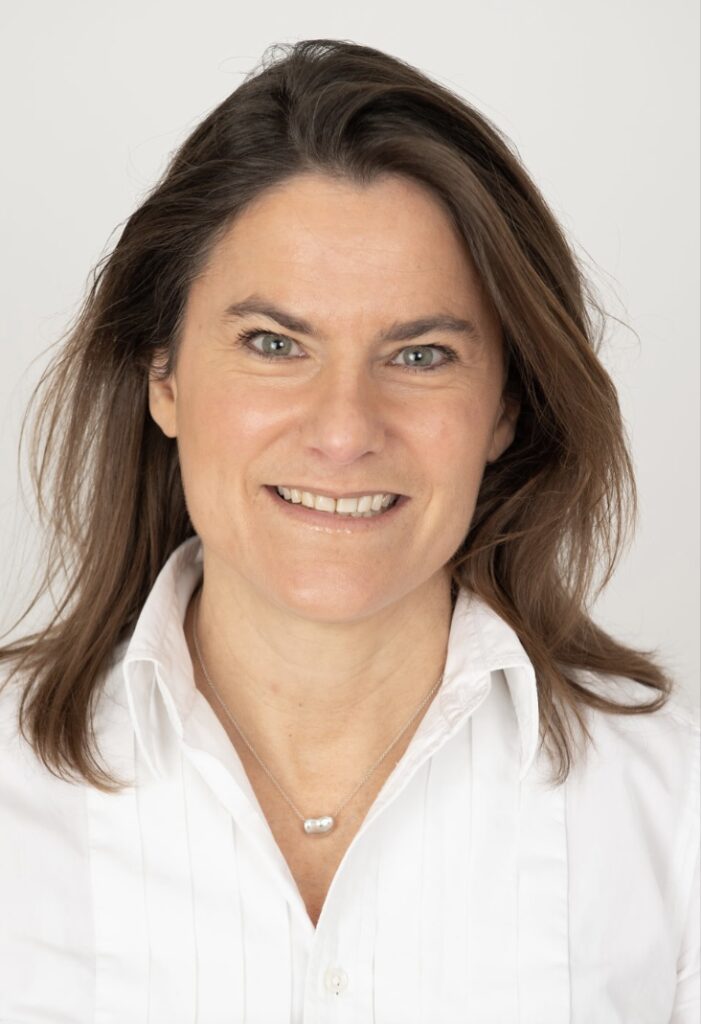
Marina Palmer
I am a BACP Accredited Counsellor with twelve years’ experience, offering individual counselling to adults, aged 18 and above. Welcome!
You may be looking for someone to talk to because you feel anxious or worried for what feels like too much the time. Maybe you are more tearful than usual, or you feel flat or low. You don’t feel like yourself anymore. This might be for any number of reasons: you might have experienced adversity, such as a bereavement, the end of a relationship, the loss of a job or the diagnosis of a health condition. You may be feeling stressed at work or at university, suffering from burnout, or you might be overwhelmed with caring responsibilities. You might be struggling with your friendships; with your partner, your parents or a sibling. Or you may simply feel stuck but not know why. Perhaps you have experienced past trauma – you were bullied at school, or you were involved in an accident, or there were problems within the home. You may have experienced abuse or neglect. Together we will seek to understand how your experience has impacted you, so that you are able to make the positive changes needed to move forward with your life. Whether you are facing one of the issues above or another that’s not listed, or you simply want to talk to someone outside of your day-to-day life in order to gain a different perspective, my aim is to support you as best I can. Whatever your reason for reaching out for help, I am available either in person or by video, to talk it through with you.
Common Signs Of Autism
It’s essential to understand the common signs of autism, as early identification can lead to better outcomes. While autism can affect individuals in different ways, certain behaviours are often seen in both children and adults with autism. Some common signs of autism can include:
- Difficulty understanding nonverbal communication, including body language and eye contact.
- A preference for the same routine and resistance to changes in daily activities.
- Intense interests in specific topics or activities.
- Sensory sensitivities, such as discomfort with loud noises or bright lights.
- Challenges with social interactions, such as trouble making friends or responding to social cues.
By recognising these signs early, you can help ensure that the individual receives the support and therapy they need. The Therapist Finder connects you with qualified therapists who specialise in autism spectrum disorder.
Looking for help with ADHD, depression, anxiety or any other mental health condition? We have access to a huge range of therapists who specialise in multiple disciplines. Browse our therapists now.
How Autism Can Affect Everyday Life
Autism can affect almost every aspect of daily life. Individuals with autism may find it difficult to engage in social situations, form relationships, or cope with changes in their environment. Everyday activities, such as going to school, work, or even going out in public, can present significant challenges due to issues with sensory overload, social interactions, or changes in routine.
However, with the right support and interventions, people with autism can learn new skills, improve their social interactions, and develop coping strategies that make everyday life more manageable. Therapies such as cognitive behavioural therapy (CBT), speech therapy, and occupational therapy can help individuals with autism build skills that improve their quality of life.
Therapists To Help With Autism
Finding the right therapist is essential to managing autism symptoms. Therapists who specialise in autism can help individuals improve their communication skills, social interactions, and emotional regulation. Whether you are seeking therapy for yourself, a child, or an adult with autism, The Therapist Finder connects you with professionals who understand the unique challenges of autism and can offer tailored support.
Therapists can also help individuals with autism develop strategies to cope with sensory sensitivities, repetitive behaviours, and difficulty adjusting to new situations. Working with a therapist can make a big difference in how an individual with autism experiences the world around them.
Let The Therapist Finder Help - Find A Local Therapist Now
If you’re ready to take the next step in finding the right support for autism, The Therapist Finder can help. Our directory allows you to easily search for therapists who specialise in autism spectrum disorder and who can offer personalised therapies to meet the unique needs of each individual. Connect with a qualified therapist today and start the journey towards better managing autism symptoms and leading a fulfilling life.