

Written by Luisa Kos
Table of contents


Understanding your depression symptoms and how it impacts daily life
Depression is more than feeling low or having a difficult day. It is a mental illness that can affect how you think, feel, and function in your daily life. You may experience a persistent depressed mood, loss of motivation, or find it difficult to enjoy things you once valued. For many people, depression affects energy levels, focus, and relationships, making everyday tasks feel harder to manage.
Whether you are experiencing mild depression or more severe depression, the impact can be significant. Over time, depressive symptoms can interfere with work, social life, and your sense of self. At The Therapist Finder, we understand that people with depression often feel isolated or misunderstood, but with the right support, you can begin to treat depression and regain a sense of control.

Common symptoms of depression
Depression can show up in different ways, and your experience may change over time. While some people notice emotional changes first, others experience physical symptoms or behavioural shifts that affect how they function. If you are living with depression, you may feel:
- Persistent low mood or feelings of sadness
- Loss of interest in activities you once enjoyed
- Difficulty concentrating or making decisions
- Changes in appetite, including weight gain or loss
- Fatigue or low energy levels
- Low self-esteem or feelings of worthlessness
- Experiencing depressive episodes that vary in intensity
- Withdrawal from social interactions or daily responsibilities
- Thoughts about death or suicidal thoughts
- Feeling disconnected from others or your environment
If you recognise these other symptoms, it may be a sign that you are experiencing depression. Reaching out to a mental health professional through The Therapist Finder can help you understand what you are going through and begin your recovery.
Are there any physical symptoms of depression?
Depression does not only affect your emotions. Many people also experience physical symptoms that can feel just as challenging. These may include physical aches, low energy, or ongoing fatigue that does not improve with rest.
In some cases, depression can link to chronic pain or worsen existing medical conditions. You might also notice changes in sleep, appetite, or overall physical wellbeing. These symptoms can make it harder to recognise depression, especially when they appear alongside other health concerns.
Understanding the connection between your mental and physical health is important. At The Therapist Finder, we help you connect with therapists who recognise how depression can affect your whole body and support you in managing both emotional and physical experiences.
Depression in children and teens
Depression can affect young people differently than adults. Children and teenagers may struggle to express how they feel, and symptoms may appear as irritability, withdrawal, or changes in behaviour. Experiences such as physical or sexual abuse can increase depression risk and contribute to long-term mental health problems.
Early support is important. When young people develop depression, it can affect education, relationships, and emotional development. Finding the right support through The Therapist Finder can help identify challenges early and provide guidance tailored to their needs.
Depression in adults
In adults, depression often presents as ongoing low mood, fatigue, and difficulty managing responsibilities. Many people continue with work and daily life while struggling internally, which can make it harder to seek help.
Depression and anxiety often occur together, and adults may also experience related conditions such as panic disorder or anxiety disorder. Without support, symptoms can persist or worsen, increasing the risk of chronic depression or recurring major depressive episodes.

What causes depression?
Depression is a complex condition, and there is rarely a single cause. A combination of psychological factors, biological influences, and life experiences can contribute to developing depression. Some triggers can include:
Childhood experiences
Early experiences can shape how you respond to stress and emotions. Negative experiences during childhood may increase the likelihood that you will develop depression later in life.
Life events
Major life changes or stressful situations can trigger depression. This may include loss, relationship breakdowns, giving birth or becoming pregnant, or ongoing stress.
Styles of thinking
Negative thinking patterns, including low self-esteem or self-criticism, can contribute to depressive symptoms and maintain a depressed mood.
Other mental health conditions
Conditions such as bipolar disorder, also known as manic depression, or other psychiatric disorders such as PTSD can increase vulnerability to depression.
Physical health issues
Certain medical conditions, including thyroid disorders, can contribute to symptoms of depression and impact your mental wellbeing.
Family history
If depression or other mental disorders run in your family, you may have a higher likelihood of experiencing similar challenges.
Specific medications
Some medications can affect mood and increase the risk of depression as a side effect.
Recreational drugs and alcohol
Substance abuse can worsen symptoms and make it harder to manage depression effectively.
Sleep, diet, and exercise
Lifestyle factors can play a role in mood regulation. Poor sleep, diet, or lack of exercise can contribute to experiencing depression.
Living With Major Depressive Disorder
Living with major depression or persistent depressive disorder can feel overwhelming, especially when symptoms continue over a long period. You may find it difficult to stay motivated, maintain routines, or feel hopeful about the future.
However, depression can be managed with the right support. At The Therapist Finder, we connect you with professionals who understand mood disorder conditions and can support you in managing chronic depression through structured and personalised care.
How Is Depression Diagnosed?
Depression is diagnosed through a comprehensive assessment by a qualified professional. This may include discussing your symptoms, experiences, and how long they have been affecting your life.
A medical diagnosis considers both emotional and physical aspects, including how your symptoms align with recognised mental health problem criteria. Your GP or therapist may also explore underlying medical conditions or contributing factors.
At The Therapist Finder, we help you connect with experienced professionals who can guide you through the diagnosis process and recommend appropriate mental health treatment.

Treatment options
There are a range of effective treatments available to support recovery. The right approach will depend on your needs, symptoms, and circumstances. At The Therapist Finder, you can explore psychological treatments and connect with therapists who specialise in depression.
Cognitive behavioural therapy (CBT)
CBT helps you identify negative thought patterns and develop healthier ways of thinking. It is one of the most widely used approaches to treat depression.
Interpersonal therapy (IPT)
IPT focuses on improving relationships and communication patterns. It helps address social and emotional factors that contribute to depression.
Behavioural activation
This approach encourages you to re-engage with activities that bring meaning or enjoyment. It supports gradual changes that improve mood and reduce withdrawal.
Individual problem solving
Problem-solving therapy helps you break down challenges into manageable steps. It builds confidence and supports practical solutions.
Psychodynamic psychotherapy
This approach explores past experiences and emotional patterns. It helps you understand how earlier events may influence your current feelings.
Medication may also be part of your initial treatment, and some people benefit from antidepressant medications alongside therapy. A combination of approaches can often provide the most effective results.
Get help from the right place with The Therapist Finder
If you are experiencing depression, you do not have to manage it alone. The Therapist Finder helps you connect with qualified professionals who understand how depression affects your life and can support your recovery.
Through The Therapist Finder, you can access talk therapy, explore treatment options, and find a therapist who fits your needs. Whether you are experiencing less severe depression or moderate or severe depression, support is available to help you move forward.
Therapy helped me understand that depression is not a sign of weakness. It’s an illness, and like any illness, it needs treatment, care, and management.
Joshua G - Student
Find a specialist now
Finding the right therapist can make a meaningful difference in your recovery. At The Therapist Finder, you can explore experienced professionals who specialise in depression and related conditions.
Take the next step today with The Therapist Finder and connect with a therapist who can help you understand your experiences, develop coping strategies, and work towards lasting change.
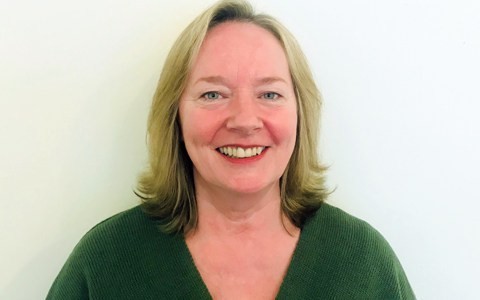
Lesley Jane Sinnott
Navigating life’s most challenging moments can bring deep internal and external pain, affecting every aspect of our wellbeing. With extensive experience working within the NHS, hospice care , and a blood cancer charity, I support people through difficult and life-changing situations with warmth, compassion, and understanding. I have particular experience in bereavement and loss, domestic (physical and mental) abuse, relationship breakdowns, anxiety and panic attacks, and issues around self-esteem and confidence, I understand how overwhelming these experiences can feel, and the impact they can have on both emotional and physical wellbeing. if any of this resonates with you, you are welcome to come and talk with me. Together, we can being to make sense of what you are going through and find a way forward at your own pace.
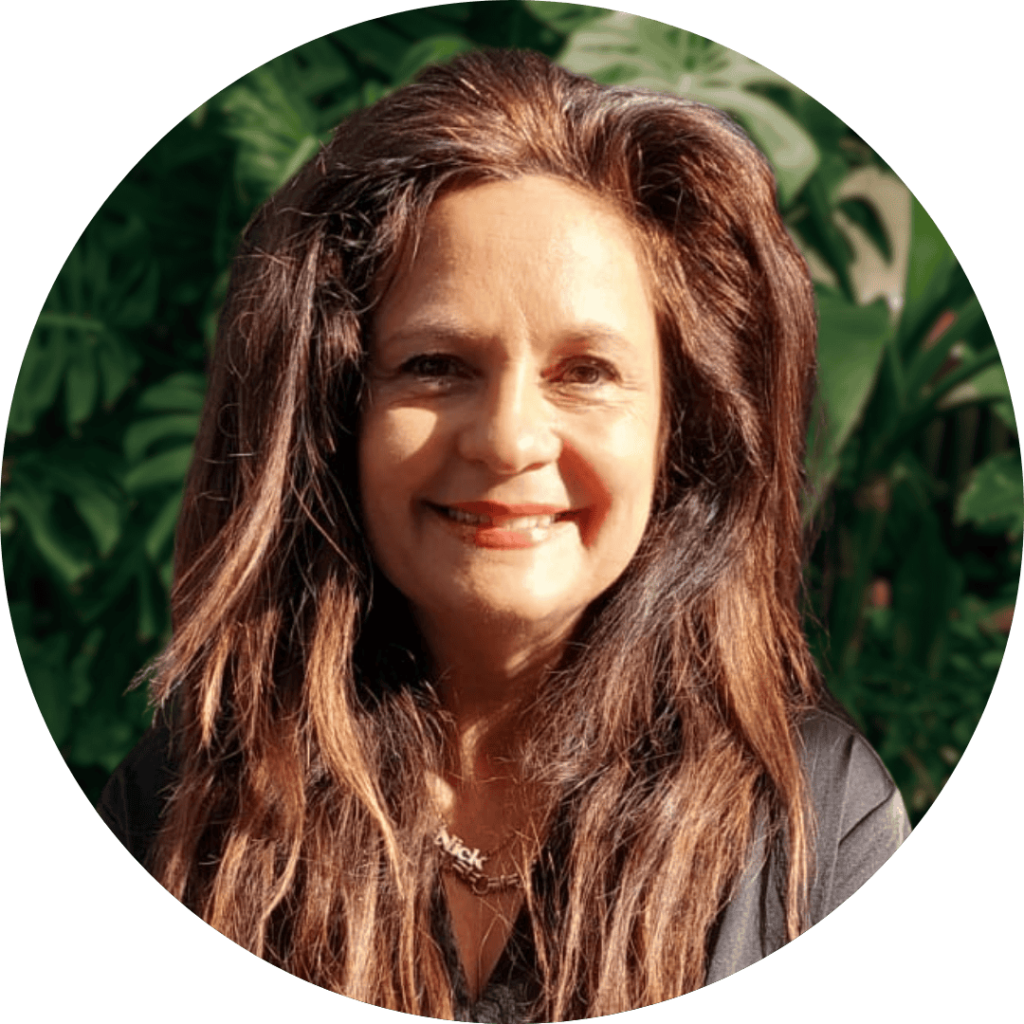
Nicola Wilkins
I am a trained person-centred therapist, with additional somatic training that informs my work with trauma and anxiety. My approach is grounded in creating a safe, containing relationship where you can feel steady enough to explore what you’re going through at your own pace. I work with a range of difficulties including stress, identity, childhood and betrayal trauma, codependency, and the impact of complex family dynamics. Drawing on both relational and body-based approaches, I support clients to understand long-standing patterns, feel more regulated, and begin to move towards a greater sense of freedom and choice in their lives.
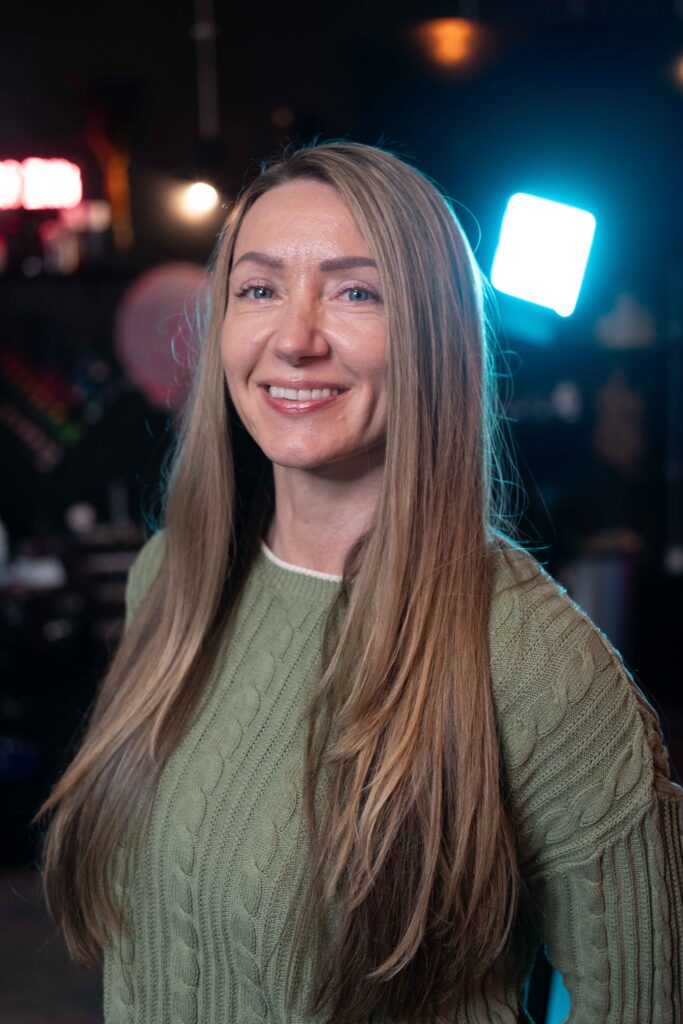
Maya Anderson
I am a qualified psychodynamic psychotherapist based in London, offering weekly therapy to individuals and couples both in person and online. My work focuses on how early experiences and relationships shape current patterns, anxiety, low mood and difficulties in connection. I practise within ethical guidelines, undertake regular supervision and ongoing training, and have supported many clients to make lasting changes in how they relate to themselves and others.

Steve Burchell
30+ years experience offering therapy, supervision, training etc. Currently focused on trauma, and somatic integration. Working on several psychedelic assisted therapy trials.

Justin Lee
Easy to talk to, open minded humanistic therapist, with 10+yrs of experience working predominantly with clients sufferring with deep anxiety as they face life choices they don’t know how to process.
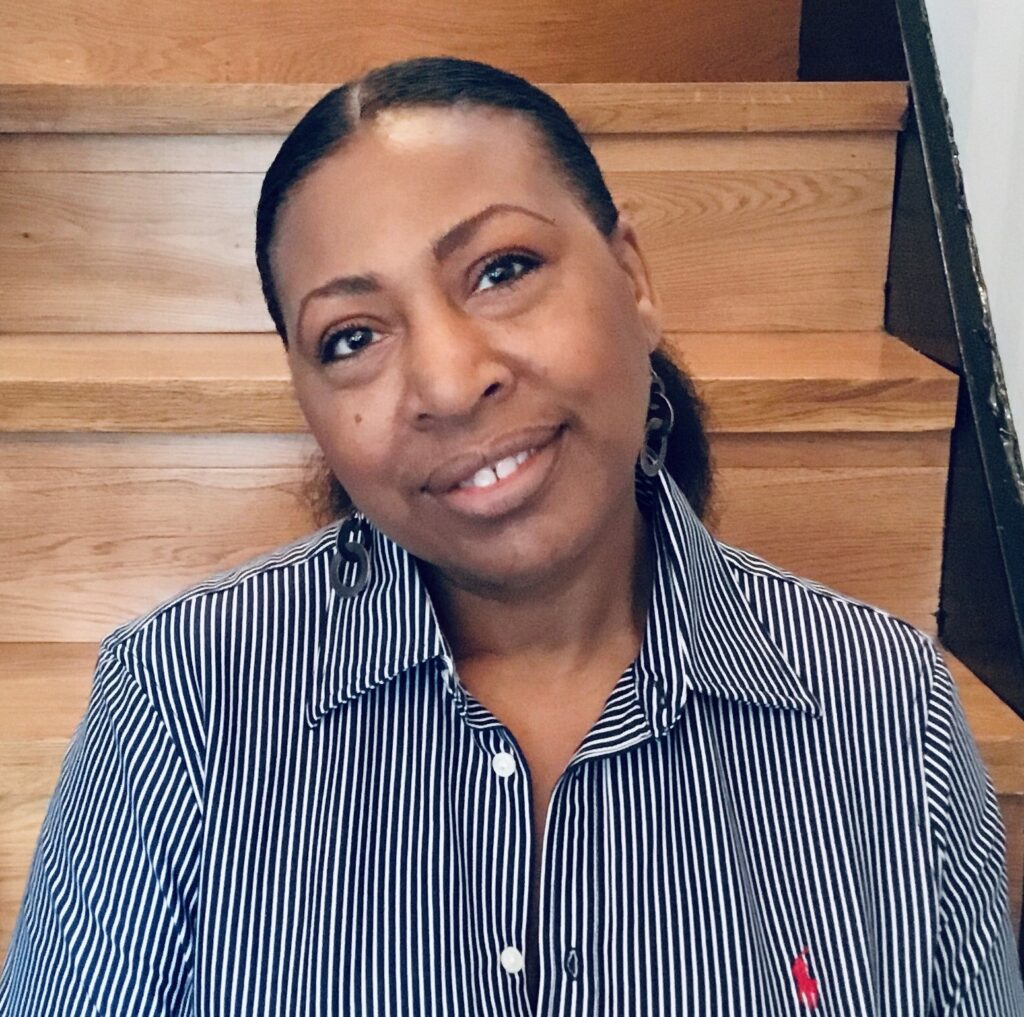
Hayley Anderson-Walsh
As a Therapist I am acutely aware of the importance of working with a counsellor who can support your therapeutic journey. Sometimes, we all face challenges in life that leave us feeling stuck and unable to see a way out. In therapy, I’ll provide you with a safe and supportive space to talk things through. Together, we’ll focus on the present, deepen your self-understanding, and discover new ways to move forward. I offer individual online sessions
Ian Anderson
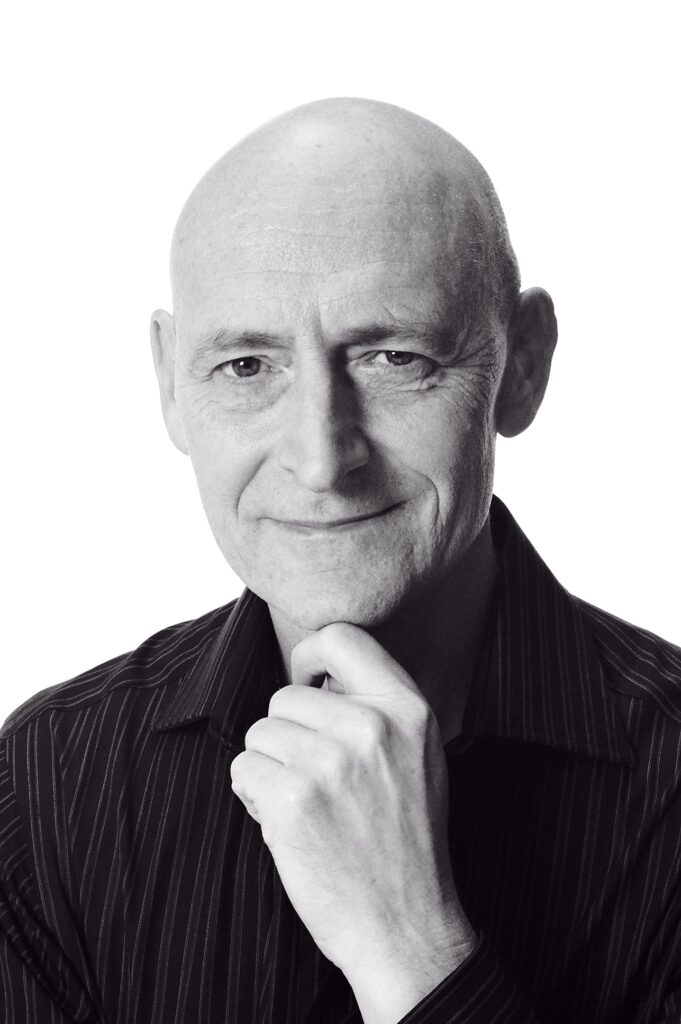
I am a Chartered Psychologist registered with the HCPC with over 40 years of experience. I have worked in private practice with over two thousand patients and supervised more than 100 therapists. I am separately qualified in various fields of applied Psychology including Clinical Psychology, Forensic Psychology, Counselling Psychology and Occupational Psychology. I now deliver all my counselling and therapy by the following methods: video conferencing; telephone sessions; real-time online chat; and email. I believe that matching the right therapy delivered by the right therapist to an individual is the key to therapeutic success.

Violet Omatseye
BACP-registered counsellor, psychotherapist, and therapeutic life coach based in Upminster, Essex, with online sessions available nationwide. She works integratively, drawing on Person-Centred Therapy, Psychodynamic Therapy, CBT-informed strategies, Solution-Focused Therapy, and Trauma-Informed Practice. Through her practice, Veev Therapy and Coaching, she works primarily with adults navigating anxiety, depression, burnout, relationship difficulties, and identity transitions — with a particular focus on women in midlife, those recovering from abusive or controlling relationships, and individuals carrying shame, guilt, or a sense of being lost. She also delivers group programmes, workshops, and workplace wellness training.
Luana Lamantea
I can help you explore the difficulties, worries or life experiences that have brought you to therapy, at a pace that feels right for you. As an integrative counsellor and psychotherapist, I draw on different therapeutic approaches to support your individual needs, whether you are struggling with anxiety, depression, stress, loss, trauma, identity, low self-esteem, life transitions or relationship difficulties. I offer a confidential, reflective and supportive space where you can feel heard, understand yourself more deeply and begin to find new ways forward. I work in English and Italian, both short-term and open-ended, from my London practices in Belgravia and Hammersmith.

Eric Bettelheim
I am a psychoanalytic psychotherapist with over 15 years of personal and professional experience, trained with the Society of Analytical Psychology and registered with the BACP and BPC. I also hold an MSc and a PhD in Neuroscience from King’s College London and currently serve as a director of the Freud Foundation. My work is client-led and open-ended, combining psychoanalytic thinking with contemporary understanding of the mind to support people with depression, anxiety, trauma, and other emotional difficulties. I work with adults both in person and online, with a particular interest in life transitions and relationships, bringing a grounded understanding shaped by my earlier career in law and business.