
ADHD therapy in Shoreditch is offered by qualified practitioners who combine practical strategies with a genuine understanding of what it is like to live with ADHD as an adult. Browse accredited therapists below.
Therapy in Shoreditch
Shoreditch is a dynamic neighbourhood on the eastern edge of the City of London, within the boroughs of Hackney and Tower Hamlets. Known as the heart of London's tech and creative industries, it is also home to galleries, street art, restaurants, and a thriving independent scene. Shoreditch is well-served by Liverpool Street and Bethnal Green stations, including the Elizabeth line, Central line, and Overground.
What is ADHD therapy?
Attention Deficit Hyperactivity Disorder (ADHD) is a neurodevelopmental condition that affects attention, impulse control, and — in some cases — activity levels. It affects both children and adults, though it is frequently undiagnosed until adulthood, particularly in women and those who present with the inattentive rather than hyperactive type.
Living with ADHD in a neurotypical world creates real challenges — with organisation, time management, sustained focus, emotional regulation, and relationships. It also tends to come with a significant emotional burden: years of being misunderstood, underestimating yourself, or being told to try harder. Therapy does not treat ADHD as something to be fixed — it helps you understand how your brain works and develop strategies that work with it.

Ta-You Chiu
I am a BACP-registered Integrative Psychotherapist and began exploring this profession in 2017. I have previously worked for the NHS and…
View profile
Justin Pryce
I am a qualified integrative counsellor with experience supporting individuals facing a range of challenges, including anxiety, depression…
View profile
Claudia Varosio
I am a trained transpersonal psychotherapist grounded in Psychosynthesis, integrating somatic therapy, attachment theory and neuroscience…
View profile
Vincent Goyon
Therapy for anxiety, relationships, shame, sexuality and identity in Shoreditch. ✦ Feeling overwhelmed, disconnected, emotionally stuck, or…
View profile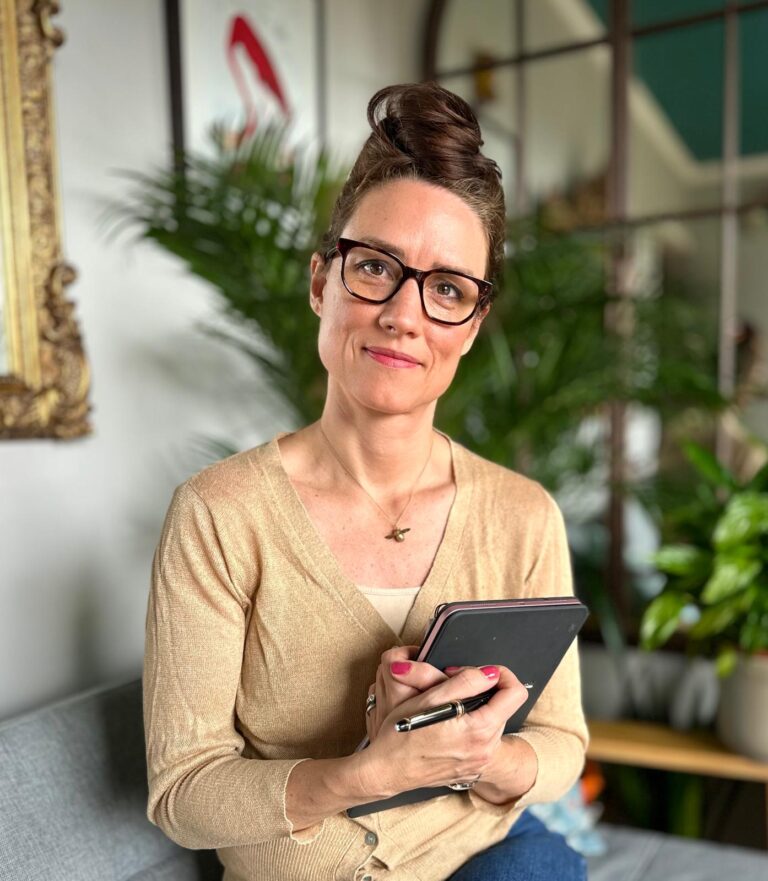
Madeleine Roantree
Life can become difficult for many reasons. You may be feeling anxious, overwhelmed, low in mood, stuck in unhelpful patterns, struggling…
View profile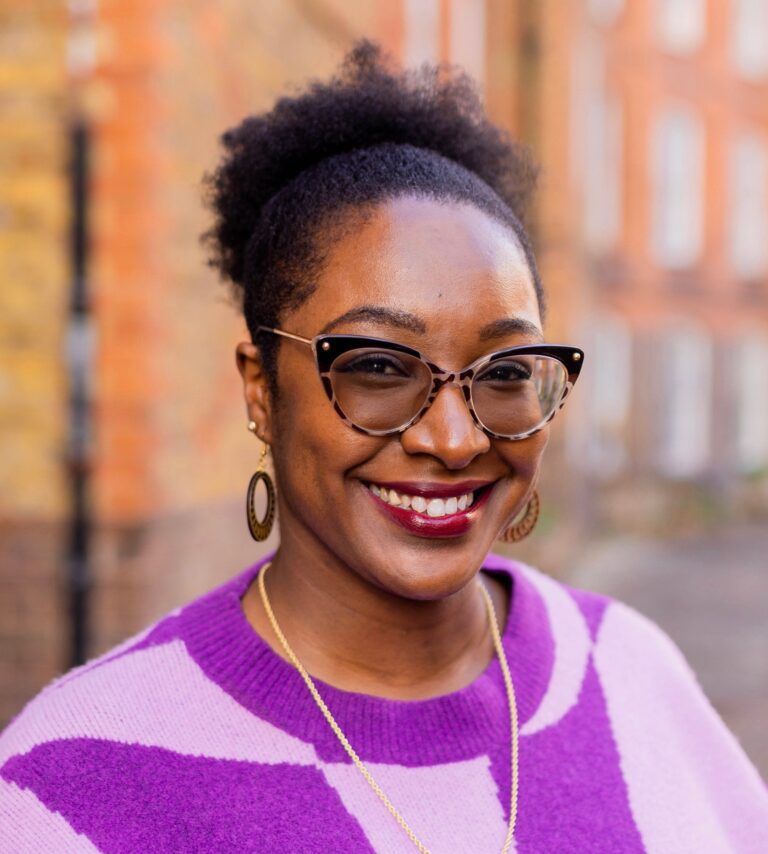
Roxanne Black
In my practice, I help clients unpick the internalised beliefs and habits that prevent them from living with integrity. My professional…
View profile
arturo bandinelli
The way we suffer is always singular, shaped by our histories, relationships, and experiences. Psychoanalytic psychotherapy begins from the…
View profile
Lily Von Kalbach
I’m a UKCP-accredited therapist with an MA and Postgraduate Diploma in Counselling and Psychotherapy. I use integrative approaches in…
View profile
Olivia Lang
BACP-registered trauma-informed integrative psychotherapist working in North and East London and online. She holds a PG Dip Advanced in…
View profile
Oliver Fallon
I offer specialist therapy for eating disorders and OCD, on Zoom or face-to-face. I have extensive experience working in these areas in the…
View profile
James Crossland
I am an integrative counsellor with experience working with individuals and couples, specialising in relationship and attachment issues…
View profile
Al Tyers
I am an experienced and qualified therapist, and a BACP Senior Accredited member (MBACP Snr Accred), offering a confidential and supportive…
View profileWhat to expect from ADHD therapy
ADHD therapy typically combines psychoeducation — learning about how ADHD works and how it affects you specifically — with practical strategies for everyday challenges. CBT-based approaches are particularly useful for procrastination, emotional dysregulation, and structuring tasks. Some therapists also focus on the emotional impact of living with undiagnosed ADHD for years: feelings of shame, chronic underachievement, or anxiety.
For those navigating ADHD in relationships, therapy can be invaluable — helping partners understand each other and develop more effective ways of communicating. Sessions may be more practical and structured than in other forms of therapy, or may flex depending on what works best for you.
Frequently Asked Questions
Do I need a diagnosis to have ADHD therapy?
No — you do not need a formal diagnosis to access therapy. Many people seek support based on recognised difficulties, whether or not they have been formally assessed. A good therapist can work with your experience regardless of diagnostic status.
Can therapy replace ADHD medication?
Therapy and medication are different tools that address different aspects of ADHD. Medication helps with symptom management; therapy addresses the psychological, emotional, and practical dimensions. Many people benefit from both. Your GP or psychiatrist can advise on medication.
How does therapy help with ADHD in relationships?
ADHD can create real friction in relationships — around forgetfulness, emotional intensity, and communication differences. Therapy helps both the individual with ADHD and their partner understand what is happening, develop practical strategies, and reduce blame and resentment.