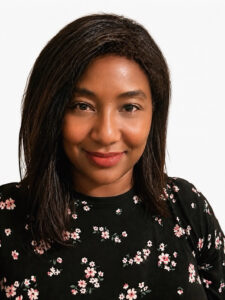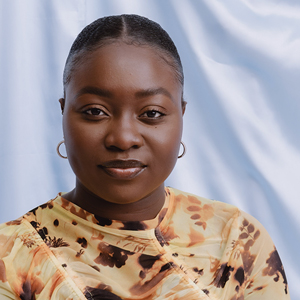
Adijat Eniola Fetuga
Integrative therapist (blended approaches), Psychotherapist, Somatic therapist
My approach to therapy is collaborative, direct, and goal-oriented. I believe in empowering clients to take an active role in their…

There are 32 therapists and counsellors on The Therapist Finder who see clients in Peckham, most of them a short walk from Peckham Rye station. Every profile is checked against a professional register before it goes live, and almost everyone here is registered with the BACP. The full list is below, and the filters let you narrow it down by the difficulty you want help with or the kind of therapy you are looking for.
Nearly all of them also offer online sessions, which can help if you want to start before you can get to a room, or keep going when life gets busy.
Fees on this page run from £50 to £165 a session. Most sit between £70 and £90, and the middle of the range is £80. Six therapists start at £60 or less. Couples sessions usually cost more than individual ones. Each profile shows that therapist's own fee, and it is worth asking whether they have any lower-cost places. Our guide to therapy fees explains how Peckham compares with the rest of London and the UK.
26 of the 32 therapists here list anxiety as something they work with, and 24 of them are taking new clients. Choose Anxiety in the filter below to see only them. They work in different ways. Some, including CBT therapists, work in a structured way on the thoughts and habits that keep anxiety going. Others, such as psychodynamic and integrative therapists, look more at where the anxiety comes from and what it might be about. Both can help, and how you feel with the person usually matters more than the method. Nine therapists here also work with couples, and you can see them on our page for couples therapy in Peckham.
Most therapists here work with more than one difficulty. 25 list depression, 25 relationship problems, 23 trauma, 22 bereavement, 22 stress and 13 ADHD, and the filter below works for each of these. We also have separate pages on grief counselling in Peckham and trauma therapy in Peckham, which explain what those kinds of therapy involve.
Peckham Rye station has Overground, Southern and Thameslink trains, with direct services to London Victoria, London Bridge, Blackfriars and Clapham Junction. Queens Road Peckham, one stop along, has Overground and Southern trains. Buses along Rye Lane and Peckham High Street connect Peckham with Camberwell, Brixton, East Dulwich, New Cross and Elephant and Castle. If you need step-free access, ask the therapist before your first session, as buildings vary.
If you are 16 or over and live in Southwark or have a Southwark GP, you can refer yourself to Talking Therapies Southwark, the free NHS service run by South London and Maudsley. You don't need to see your GP first. You can refer online at talkingtherapiessouthwark.nhs.uk, call 020 3228 2194 (8.30am to 5pm, Monday to Friday), or ask your GP to refer you. You will usually be offered a telephone consultation within two weeks, and treatment usually starts one to six weeks after that. The service offers short, structured therapy for common problems such as anxiety and depression. If you would like longer-term therapy, or to choose your own therapist, private therapy is the other route. Parts of SE15 fall in Lewisham, where the equivalent service is Lewisham Talking Therapies.
If you need urgent help, call NHS 111 and choose the mental health option, or call 999 in an emergency.
This page is checked and kept up to date by Luisa Kos, a BACP-registered psychotherapist and the founder of The Therapist Finder. If anything here is out of date, please get in touch. Last updated 16 October 2026.
Integrative therapist (blended approaches), Psychotherapist, Somatic therapist
My approach to therapy is collaborative, direct, and goal-oriented. I believe in empowering clients to take an active role in their…
Counsellor
Your questions are important. I help by deepening your knowing about who you are, and why you are here. You already know how to know, we…
Counsellor, Integrative therapist (blended approaches), Psychotherapist
I find seeking therapy usually starts with seeds of hope. Hope for things to change, to become ‘unstuck’, to have understanding, to find…
Integrative therapist (blended approaches)
With a background in psychodynamic, person-centred, and mindfulness-based therapies, I specialise in supporting adults who are navigating…
Psychotherapist
I am a psychotherapist in training with the Karuna Institute. I practice Core Process Psychotherapy which is a mindful and contemplative…
Psychotherapist
I am a dedicated therapist with experience in both online and face-to-face counselling. My focus lies in offering personalised support and…
Psychotherapist
Qualified Integrative Counsellor and Psychotherapist offering individual therapy for adults online and in person in Peckham. Works from a…
Counsellor
I am an integrative counsellor and a member of the BACP, with a Diploma in Therapeutic Counselling and experience working within the NHS…
Psychotherapist
I have seven years of experience as a psychotherapist, having worked in a number of NHS services in London, in a university counselling…
Counsellor
I am a person-centred counsellor offering support with common life stresses, as well as specialist bereavement support. I have been…
Counsellor
MBACP member and NCPS Accredited integrative therapist and coach based in Southwark, South East London. She holds a first-class BSc (Hons)…
Counsellor
I am a fully qualified integrative counsellor and a registered member of the BACP, working within its ethical framework. I offer a safe…