
Relationship therapy is available for both individuals and couples. If relationship difficulties are affecting your wellbeing — whether in a partnership, family, or friendship — a qualified relationship therapist can help. This page lists accredited practitioners in and around North London.
Therapy in North London
North London encompasses a wide range of neighbourhoods including Islington, Camden, Hackney, Stoke Newington, Highgate, Crouch End, Finsbury Park, and Hampstead. It is home to a diverse mix of communities, from the busy commercial areas around Islington and Camden Town to the quieter residential streets of Highgate and Hampstead. Therapy seekers across north London can access a wide range of practitioners locally or online.
What is relationship therapy?
Relationship difficulties are one of the most common reasons people seek therapy — whether they come alone or with a partner. They can range from recurring arguments and communication breakdowns to emotional distance, trust issues, or the lingering effects of an affair or betrayal.
Sometimes there is no dramatic event — just a gradual growing apart, or a persistent sense that real connection has been lost. Individual therapy for relationship issues can be just as valuable as couples therapy — it helps you understand your own patterns, what you bring to relationships, and what you genuinely need.

Helen Jack
Hello, I’m Helen (she/her), an integrative psychotherapist based in South London. I offer counselling and therapy for anxiety, low…
View profile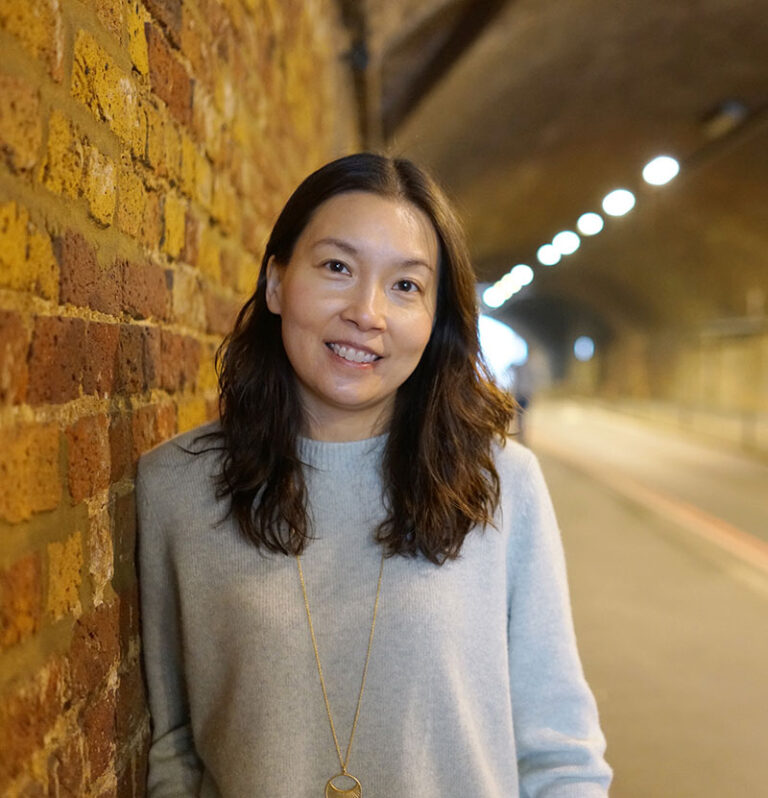
Angie Wong
I am an experienced transpersonal integrative psychotherapist and somatic EMDR practitioner specialising in trauma-informed therapy…
View profile
Claire Newman
I am a fully qualified psychotherapist, counsellor, life coach and mentor with over fifteen years’ experience across private and clinical…
View profile
Julia Mair
I specialise in working with anxiety. During our sessions we will explore what lies beneath your anxiety to join the dots between your…
View profile
Sam Palmer
UKCP-registered psychoanalytic psychotherapist with almost 20 years of clinical experience, working in NHS hospital settings and private…
View profile
Dr Alex Penny Lenihan
I have over 35 years of experience in psychology, including clinical practice, research, publications and providing professional training…
View profile
Deepa Pagarani
UKCP-accredited psychotherapist with over 10 years of experience, based in Maida Vale, central London. She holds a Diploma in Counselling…
View profile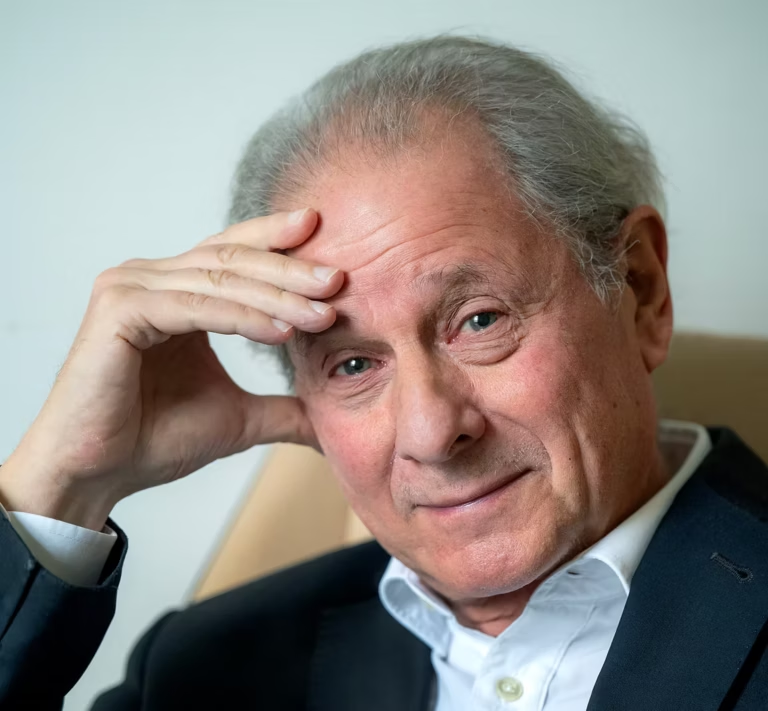
Eric Bettelheim
I am a psychoanalytic psychotherapist with over 15 years of personal and professional experience, trained with the Society of Analytical…
View profile
Luise Sargent
MBACP-registered psychotherapist, counsellor, and coach, and the CEO and Founder of Therapy Kensington. She holds a BA (Hons) in…
View profile
Patricia Marcos Martinez
I’m Patricia, an integrative psychotherapist, sandplay therapist, supervisor and trainer based in London. I specialised in work with adults…
View profile
Sonja De Martini
I am a UKCP, BPC and BACP registered psychodynamic psychotherapist and occupational psychologist. My experience and training in both…
View profile
April Haesler
I have experience working with a diverse range of presentations and difficulties, including trauma, PTSD, depression, anxiety, living with…
View profileWhat to expect from relationship therapy
Relationship therapy — whether individual or with a partner — typically begins with an exploration of current patterns: what tends to happen, how each person responds, and what has been tried so far. From there, the work goes deeper: exploring early attachment experiences, the models of relationship formed in childhood, and the hopes and fears that shape behaviour in intimate relationships.
Attachment-based approaches, psychodynamic therapy, and emotionally focused therapy are all commonly used. Progress in relationship therapy often feels non-linear — things sometimes feel harder before they feel better, as honest communication replaces silence or avoidance.
Frequently Asked Questions
Should I do individual or couples therapy for relationship issues?
Both are valuable. Individual therapy helps you understand your own patterns, what you bring to relationships, and what you need. Couples therapy brings both partners into a supported dialogue. Many people do individual therapy first, then couples therapy, or both simultaneously with different therapists.
Can therapy help after an affair?
Yes — therapy can be enormously helpful after a betrayal, whether the aim is to rebuild the relationship or to process what has happened and find a way forward. Both couples therapy and individual therapy are useful. Rebuilding trust takes time, but many couples do recover from affairs with the right support.
What if my partner refuses to come to therapy?
You can still benefit significantly from individual therapy. Understanding your own patterns and needs is valuable regardless of whether your partner is involved. Individual therapy may also help you decide what you want, and sometimes partners become open to joining later.