
Grief counselling in Hackney is offered by qualified practitioners who understand that grief is not linear, does not have a timeline, and looks different for every person. Browse accredited bereavement therapists below.
Therapy in Hackney
Hackney is a diverse, creative neighbourhood in east London, within the London Borough of Hackney. Known for its thriving arts scene, independent businesses, and vibrant communities, it spans areas including Dalston, London Fields, and Homerton. Hackney is served by the Overground at multiple stations — including Hackney Central, Hackney Downs, and London Fields — offering connections across east, south, and central London.
What is bereavement therapy?
Grief is the natural response to loss. Most commonly this is the death of someone we love, but grief can also follow the end of a relationship, a miscarriage, the loss of a role or identity, or any significant change that takes away something we were counting on.
Grief does not follow a predictable path. It can be consuming and overwhelming, or it can arrive in waves — sometimes months or years after the loss. For some people, grief becomes stuck. They find they cannot move forward, or that loss has reopened earlier wounds. Bereavement therapy offers a dedicated space to grieve fully, without pressure, judgement, or a timeline.
Mary Thomas
With a Humanistic Integrative approach, this counsellor places the client at the centre of the therapeutic process, adapting their work to…
View profile
Rachael Peacock
By working with me in a therapy relationship, you’re invited to explore whatever you wish in an environment where the need for…
View profile
Mark Crow
For years I have worked with adults (18+) of all ages, helping them to find peace, stability and meaning. I bring in different but…
View profile
Fiona Tóth-Gillies
As a registered Art Psychotherapist (HCPC, BAAT), I have over 17 years experience working with adults and young people in Australia and the…
View profile
Lowina Simms
How Individual Therapy Can Help Individual therapy offers a confidential space where you can slow down, reflect, and make sense of what…
View profile
Oliver Fallon
I offer specialist therapy for eating disorders and OCD, on Zoom or face-to-face. I have extensive experience working in these areas in the…
View profile
Jonathan Humphreys
I help people who are feeling lost and are looking to explore how they might move forward. Increasingly, I am sought out by individuals who…
View profile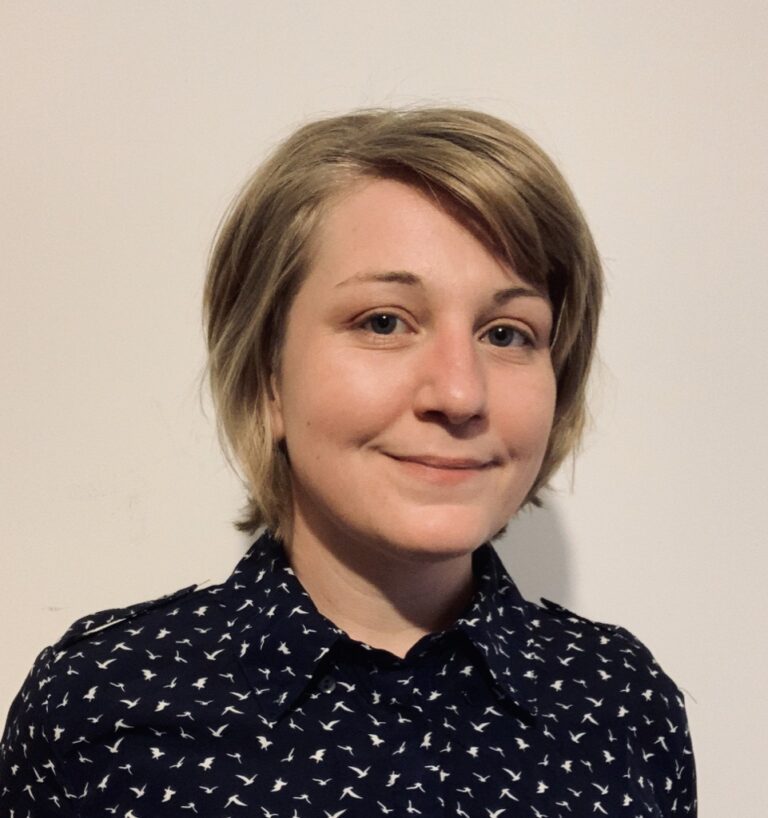
Alena Todorov
I offer an LGBTQ+ affirmative, culturally responsive space, working relationally using a Transactional Analysis framework informed by…
View profile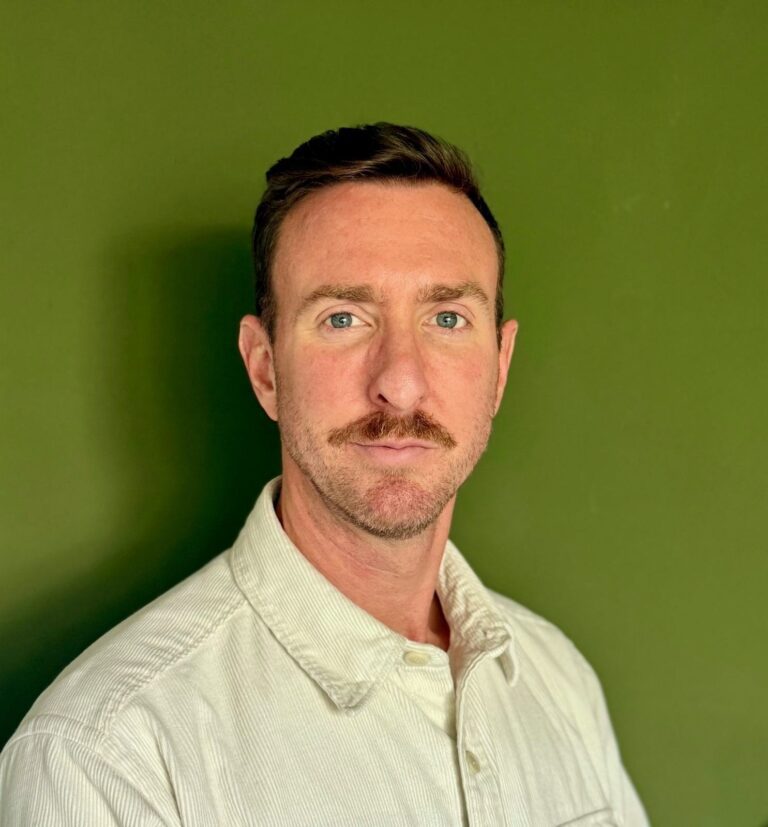
Chris Bancroft
I work with individuals, couples, polycules and families of all genders, sexualities, backgrounds and neurotypes. I am a gay man and have…
View profile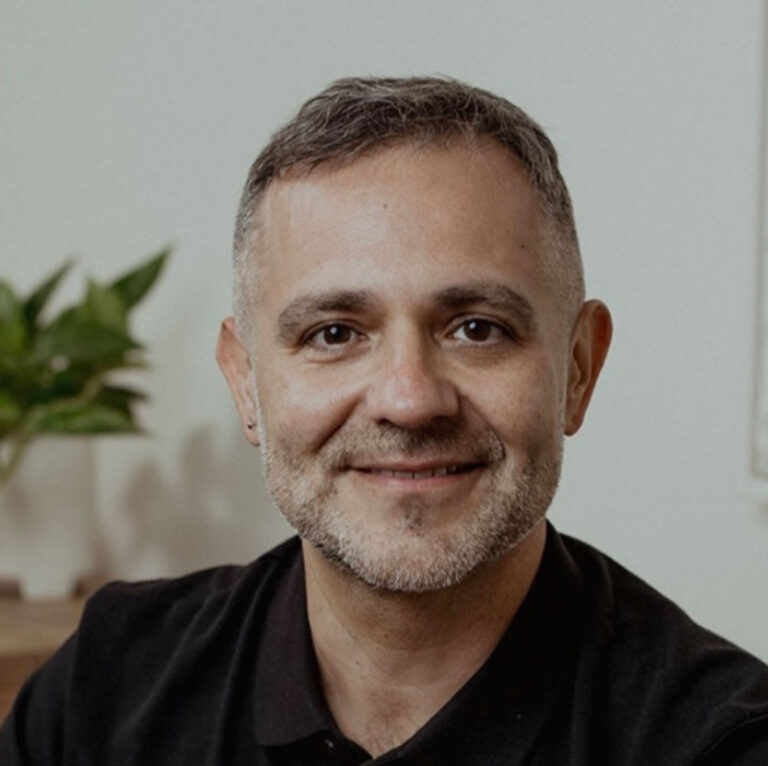
Julio Cervantes
With over 25 years of experience as a counsellor and therapist I can help you improve your relationships, strengthen connections or work…
View profile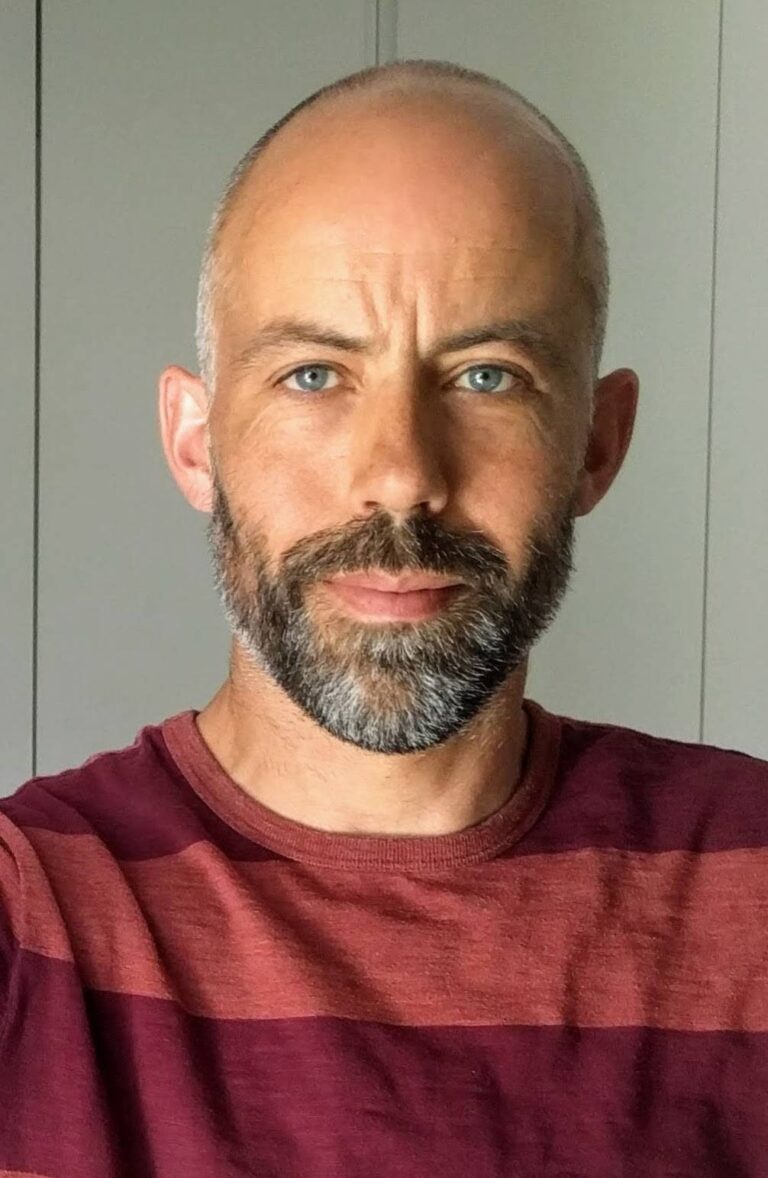
Bjorn Ventris
Some issues I help clients with include: improving communication, dealing with conflict, long term commitment, consensual non-monogamy…
View profile
Justin Lee
Easy to talk to, open minded humanistic therapist, with 10+yrs of experience working predominantly with clients sufferring with deep…
View profileWhat to expect from bereavement therapy
Bereavement therapy is led entirely by your pace and your experience of loss. Your therapist is not there to move you through stages of grief or tell you what to feel — they are there to sit with you in it, help you make sense of your experience, and support you in finding a way to carry what has happened.
Some people need only a handful of sessions; others benefit from longer-term support, particularly when the loss is complex, unexpected, or traumatic, or when grief has reopened earlier wounds. Therapy can also be helpful for those supporting a grieving partner, parent, or child, and for people who feel they should be over it by now but aren't.
Frequently Asked Questions
How long after a bereavement should I wait before starting therapy?
There is no right answer. Some people find it helpful to start therapy soon after a loss, to have a supported space during the acute phase. Others come to therapy months or years later. The most important thing is that you access support when you feel ready.
Is grief therapy different from regular therapy?
Not fundamentally — good therapy always makes space for loss. However, a therapist experienced in bereavement will understand the specific dimensions of grief: the physical responses, the non-linear nature, the complicated feelings that often accompany loss, including relief, guilt, or anger.
Can grief therapy help with complicated grief?
Yes — prolonged grief disorder (sometimes called complicated grief) is a recognised condition in which grief does not ease over time and significantly impairs daily functioning. Specialist bereavement therapy can be very effective in these cases.