

Written by Luisa Kos
Table of contents


Understanding anxiety and how it impacts your overall mental health
Anxiety is a natural response to stress, but when it becomes persistent or overwhelming, it can begin to affect your overall mental health. You may feel anxious without a clear reason, or find that everyday situations trigger a heightened sense of unease. Over time, this can develop into one of several mental health conditions that impact how you think, feel, and respond to the world around you.
When anxiety becomes more intense, it can move beyond occasional worry and develop into excessive anxiety or even severe anxiety. This can affect your ability to focus, make decisions, and feel in control. At The Therapist Finder, we understand that anxiety is more than just worry. It is a mental illness that can affect your confidence, relationships, and sense of wellbeing, especially when left unsupported.

Symptoms of anxiety
Anxiety can present in different ways, and your experience may not look the same as someone else’s. While the main symptom is often a persistent sense of worry, anxiety also includes a range of psychological symptoms and physical symptoms that can affect both your mind and body. Common symptoms include:
- Feeling tense or constantly on edge
- A rapid heartbeat or pounding heart
- A churning feeling in your stomach
- Feeling sick or experiencing digestive discomfort
- Trouble concentrating or feeling mentally overwhelmed
- Difficulty with sleeping habits
- Experiencing panic attacks that can last just a few minutes
- Avoiding social situations due to fear or discomfort
- Feeling trapped or unable to relax
- Persistent worry about everyday life or future events
If you recognise these other symptoms, it may indicate that anxiety is beginning to take a stronger hold. With the right support from a mental health provider, you can start to understand what is happening and take steps to reduce anxiety.
How anxiety symptoms can impact day-to-day life
Anxiety can affect your daily life in ways that feel subtle at first, but over time can become more disruptive. You may find it harder to complete routine tasks, manage responsibilities, or feel present in your everyday life. Even simple decisions can begin to feel overwhelming.
It can also affect your relationships. You might withdraw from social situations, struggle to communicate how you feel, or avoid interactions altogether. Conditions such as social phobia can make it difficult to engage with others, leading to isolation and reduced confidence.
In more severe cases, anxiety can worsen over time and can begin to impact your ability to work, maintain routines, or enjoy activities you once valued. Without support, anxiety can begin to shape your choices and limit your freedom, making it harder to feel in control of your life.
How can I benefit from therapy?
Therapy offers you a safe and structured space to explore your thoughts, feelings, and behaviours without judgement. Through talking therapies, you can begin to understand what may be contributing to your anxiety and how it is affecting your mental health. This process helps you gain clarity and build awareness around your experiences.
Working with a therapist through The Therapist Finder allows you to develop a personalised treatment plan that supports your needs. Therapy can help you manage overwhelming fear, improve coping strategies, and regain confidence in your ability to navigate life’s challenges. With the right guidance, you can experience anxiety in a more manageable way and start to feel more in control.

Therapeutic approaches for supporting your anxiety disorder
There are a range of effective treatments available for anxiety, and the right approach will depend on your individual needs. At The Therapist Finder, you can connect with professionals who use a variety of evidence-based treatment options to support your mental health.
Cognitive Behavioural Therapy (CBT)
CBT focuses on identifying and changing unhelpful thought patterns and behaviours. It helps you understand how your thoughts influence your feelings and actions, providing practical tools to reduce anxiety and manage triggers.
Psychodynamic Therapy
This approach explores past experiences and unconscious patterns that may contribute to anxiety. It is particularly helpful if your anxiety connects to stressful or traumatic experiences or a traumatic event in your life.
Mindfulness-Based Therapy
Mindfulness helps you stay grounded in the present moment. It can support you in managing racing thoughts, improving awareness, and reducing the intensity of anxiety symptoms.
Compassion-Focused Therapy (CFT)
CFT helps you develop a kinder relationship with yourself. If you struggle with self-criticism or low self-worth, this approach supports emotional resilience and self-acceptance.
Somatic Therapy
Somatic therapy focuses on the connection between mind and body. It can help address physical conditions linked to anxiety, such as muscle tension, fatigue, and other physical symptoms.
Integrative Approach
Many therapists use an integrative approach, combining different methods to suit your needs. This allows your therapy to adapt as you progress and ensures your support remains personalised.
What to expect in therapy
If you’re new to therapy, it’s natural to feel uncertain about what to expect. Here’s how the process typically unfolds:
- Initial session: This is an opportunity to explore your concerns, challenges, and goals in a safe and confidential space.
- Understanding your patterns: Together, we will identify patterns of thinking and behaviour that may be contributing to your anxiety.
- Developing strategies: You will learn practical tools and coping techniques tailored to your specific needs.
- Building emotional resilience: Over time, therapy will help you develop a healthier relationship with your thoughts, emotions, and behaviours.
- Sustained progress: The goal is not just symptom relief but lasting personal growth and well-being.
Therapy is a journey, and change takes time. However, even small shifts in mindset and behaviour can lead to significant improvements in your quality of life.

Anxiety can also impact your overall physical health
Anxiety does not only affect your thoughts and emotions. It can also have a direct impact on your physical health. Many people experience symptoms such as a rapid heartbeat, fatigue, or tension that can feel like a physical health problem.
When anxiety continues over time, it can contribute to physical conditions such as headaches, digestive issues, and disrupted sleep. These symptoms can make it harder to maintain your wellbeing and can increase stress levels further.
If left untreated, anxiety may begin to affect your immune system, energy levels, and overall health. At The Therapist Finder, we recognise the importance of addressing both the emotional and physical impact of anxiety to support your recovery.
Most common types of anxiety disorder
Anxiety can take many forms, and understanding the different mental disorders can help you recognise what you may be experiencing.
Generalised anxiety disorder (GAD)
GAD involves persistent and excessive worry about a range of everyday situations. You may feel worried most of the time without a clear cause.
Panic disorder
Panic disorder involves recurring panic attacks, often accompanied by intense physical symptoms. These episodes can feel sudden and overwhelming.
Social anxiety disorder
This condition, often referred to as social phobia, involves fear of social situations where you may feel judged or embarrassed. It can lead to avoidance and isolation.
Phobias
Phobias include specific phobias, where you experience strong fear of particular objects or situations. These fears can interfere with daily activities.
Agoraphobia
Agoraphobia involves fear of being in places where escape may feel difficult. You may avoid environments that feel unsafe or unpredictable.
Separation anxiety disorder
This involves intense fear of being separated from people you feel close to. It can affect both adults and children.
Understanding these conditions can help you identify your experience and explore suitable treatment options with support from The Therapist Finder.
What causes anxiety?
Anxiety can develop for many different reasons, and often a combination of factors plays a role. Some of the more common ways for anxiety to develop include:
- Genetics and family history of mental health conditions
- Stressful or traumatic experiences, including domestic violence or child abuse
- A significant traumatic event or ongoing life stress
- Environmental factors and lifestyle pressures
- Physical conditions or underlying health concerns
- Other mental health conditions such as depression
- Exposure to dangerous situations or prolonged stress
Understanding what may trigger anxiety disorders is an important step towards managing them. With the right support, you can begin to make sense of your experiences and move forward with confidence.
Take the first step with The Therapist Finder
If anxiety is making life feel overwhelming, you don’t have to face it alone. Therapy can help you break free from unhelpful patterns, build emotional strength, and move towards a life with greater peace, clarity, and connection.
Finding the right therapist for you
Not every therapist is the right fit for everyone. Here are some things to consider when choosing a therapist:
- Experience & specialisms: Do they have experience working with anxiety or related concerns such as trauma, depression or burnout?
- Therapeutic style: Do they take a structured, practical approach or a more exploratory, reflective one?
- Comfort & connection: Do you feel safe, understood, and comfortable sharing with them?
- Evidence-based approaches: Do they use scientifically supported methods like CBT, mindfulness, or psychodynamic therapy?
A good therapist will support you without judgment and help you gain insight, confidence, and tools to manage life’s challenges more effectively.
Find a specialist
Finding the right therapist for anxiety is a crucial step towards healing and personal growth. A good therapist should provide a safe, non-judgmental space where you feel understood and supported. Look for someone with experience in treating anxiety, ideally using evidence-based approaches such as Cognitive Behavioural Therapy (CBT), Psychodynamic Therapy, or Mindfulness-Based techniques. Consider their therapeutic style – whether you prefer a structured, goal-oriented approach or a more open, exploratory process. It’s also important to feel a genuine connection with your therapist, as trust and rapport play a key role in effective therapy. Many therapists offer an initial consultation, which can help you determine if their approach aligns with your needs. The right therapist will not only help you manage symptoms but also empower you to develop healthier coping strategies and create lasting change. Back to The Therapist Finder.

Daniel Armitage
Qualified Integrative Counsellor and Psychotherapist offering individual therapy for adults online and in person in Peckham. Works from a person-centred foundation, placing the therapeutic relationship at the core of the work, and draws on approaches including Compassion Focused Therapy, CBT, and mindfulness to adapt to each client’s needs. Previously worked in frontline safeguarding roles, including several years supporting people experiencing homelessness, which informs a practical, compassionate understanding of resilience and adversity.

Anna Orzech
Anna works with individuals and couples on a wide range of difficulties: anxiety, low mood and depression, anger, grief, loss and bereavement, life transitions, identity, cross-cultural experiences, personal agency, communication, creativity, and relationship difficulties. She also supports people who feel content in their lives but want to understand themselves and their existential situation more deeply.
For couple and relationship therapy, Anna works with romantic and intimate partners both across the GSRD spectrum and in traditional relationships. Relationship therapy also suits friends, adult family members, colleagues, and creative partnerships. Therapy provides a contained space, free from shame or blame, for both people to speak, be heard, and understand what is going on in the shared dynamic.
Anna welcomes adults of all backgrounds to get in touch. Fees vary for individuals and couples. To find out more or arrange an initial conversation, visit www.annaorzech.com.

Fadi Saalam
UKCP registered therapist offering psychodynamic and psychoanalytic psychotherapist within a confidential and thoughtful setting. He helps clients make sense of recurring patterns, underlying conflicts, and emotional difficulties, supporting deeper understanding and lasting change. His work focuses on building insight and the capacity to manage complex feelings over time. He also provides short-term, focused counselling for specific concerns. Alongside clinical work, he offers supervision using the Seven-Eyed Model, a relational framework that considers the therapist, client, and wider context. With a background spanning education, business, and nursing, and a commitment to ongoing supervision and training, his practice is grounded, experienced, and ethically informed.

Marina Palmer
I am a BACP Accredited Counsellor with twelve years’ experience, offering individual counselling to adults, aged 18 and above. Welcome!
You may be looking for someone to talk to because you feel anxious or worried for what feels like too much the time. Maybe you are more tearful than usual, or you feel flat or low. You don’t feel like yourself anymore. This might be for any number of reasons: you might have experienced adversity, such as a bereavement, the end of a relationship, the loss of a job or the diagnosis of a health condition. You may be feeling stressed at work or at university, suffering from burnout, or you might be overwhelmed with caring responsibilities. You might be struggling with your friendships; with your partner, your parents or a sibling. Or you may simply feel stuck but not know why. Perhaps you have experienced past trauma – you were bullied at school, or you were involved in an accident, or there were problems within the home. You may have experienced abuse or neglect. Together we will seek to understand how your experience has impacted you, so that you are able to make the positive changes needed to move forward with your life. Whether you are facing one of the issues above or another that’s not listed, or you simply want to talk to someone outside of your day-to-day life in order to gain a different perspective, my aim is to support you as best I can. Whatever your reason for reaching out for help, I am available either in person or by video, to talk it through with you.

Rebecca Greene
I provide counselling and psychotherapy for children and young people in a safe and supportive environment where they can explore their thoughts, feelings, and life challenges. Whether it’s anxiety, stress, low mood, trauma, grief, low self-esteem, bullying, or issues with relationships and identity, therapy can help young people work through a wide range of emotional, behavioural, and psychological concerns. My approach is tailored for young people who need low-level intervention to better understand themselves, manage their emotions, and learn self-regulation. I work with those who want to explore their sense of self, helping young people express their emotions and thoughts in a safe, healthy environment. My therapeutic approach is integrative, meaning I adapt each session to suit the unique needs of the individual. I draw from various therapeutic modalities, including child-centred and psychodynamic approaches, Cognitive Behavioural Therapy (CBT) and Attachment Theory, all with a strong focus on the young persons well being.

Pedro Garcia
I am a BACP-registered counsellor offering therapy in English and Spanish, both online and in person from rooms in **London Bridge (SE1) and Greenwich (SE10)**. I provide **trauma-informed, diversity-affirming counselling** for adults and young adults experiencing anxiety, depression, emotional overwhelm, ADHD, low self-esteem, and questions around identity, relationships, and life direction. My work is based on the idea that when we begin to understand our story, what shaped us and why certain patterns repeat, we can start to relate to ourselves with greater clarity and compassion. I offer a thoughtful, non-judgemental space where you can explore your experiences at your own pace and find steadier ways of coping and moving forward.

Trish Riley
I help individuals and couples explore difficulties with sex, intimacy and relationships in a safe, respectful and culturally sensitive space. This may include concerns such as low desire, erectile or ejaculation difficulties, painful sex, vaginismus, orgasm difficulties, sex anxiety, attachment patterns, communication problems, anxiety, depression or low confidence. As an integrative psychosexual and relationship therapist, I draw on different therapeutic approaches to help you understand what may be affecting your sex life, self-esteem and relationships, and to find a way forward that feels right for you. I offer a free 15-minute introductory call.

Vanessa Maier
I’m Vanessa, a HCPC Registered Psychologist and Psychotherapist with 15 years experience in clinical settings across Australia, the UK and Europe. I specialise in Mood Disorders, Anxiety, Depression, Stress and Burnout, as well as personal growth and development. In recent years my focus has expanded to include the therapeutic potential of psychedelic-assisted therapy (PAT) and the integration of non-ordinary states of consciousness. To deepen this work, I have completed specialised training in integration with ICEERS, learnt ACT-, IFS- and FAP-consistent applications of PAT with Mindfulness Training Ltd, and have completed a Certificate in Psychedelic Assisted Therapies focused on psilocybin, ketamine and MDMA with Mind Medicine Australia.
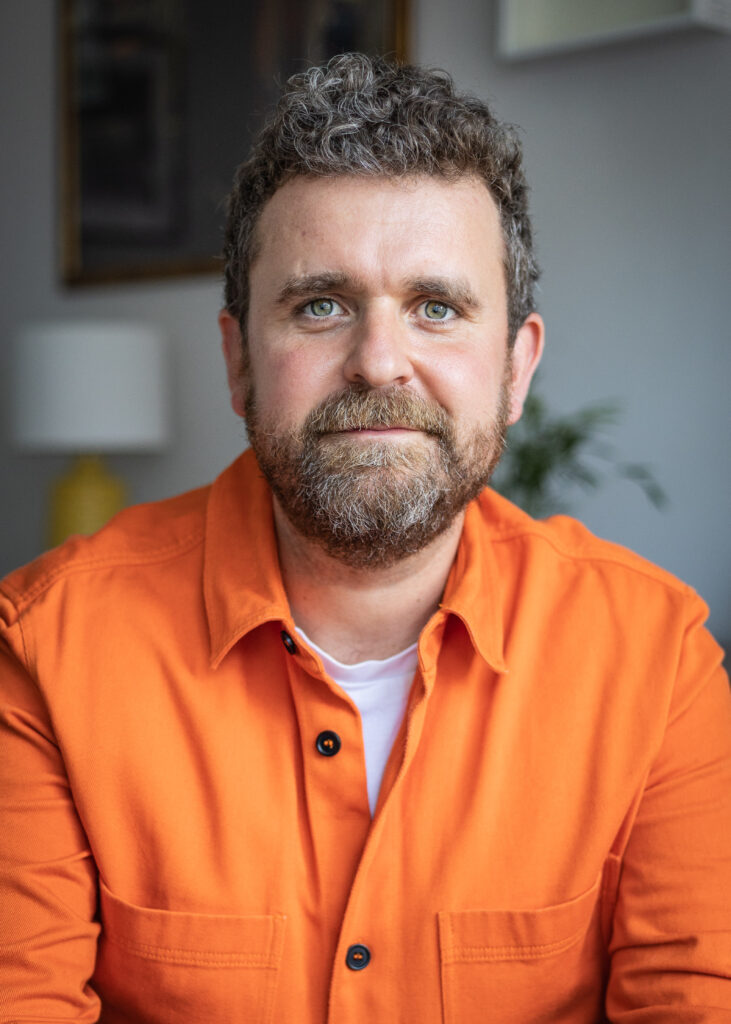
Jonathan Humphreys
I help people who are feeling lost and are looking to explore how they might move forward. Increasingly, I am sought out by individuals who find that despite achieving the life they hoped are feeling lost and seeking direction. I have particular experience and expertise in helping clients experiencing: life transitions (particularly bereavement, parenthood, aging parents, significant diagnosis), relationship difficulties, a loss of meaning or purpose, low self worth or feeling stuck.

Shae Grass
It is easy to find yourself sliding back into old, exhausting ways of coping—whether that is overworking to mask your feelings or relying on alcohol, tech, and other distractions to quiet a hyperactive nervous system at the end of the day. Therapy with me isn’t about giving you a rigid checklist to “fix” yourself. Instead, it is a collaborative, open space to face the realities of your life—holding both your individual agency and the social conditions shaping it. I partner with adults and late adolescents (18+) who feel stuck in repetitive cycles or overwhelmed by anxiety, burnout, and depression. Together, we focus on moving past “surviving” day-to-day stress so you can create genuine room to feel, regulate, and safely be yourself. Areas of focus in my practice include: – Neurodiversity-Affirming Therapy: Providing specialised, validating support for individuals with ADHD and Autism who are navigating burnout, identity loss, or masking. – Breaking Addictive Cycles: Working relationally to build honesty and compassion while tackling substance use, alcohol, gambling, or video game and internet dependencies. – Modern Masculinity & Gender Identity: Supporting men and young adults moving through complex identity questions, relationship difficulties, or feeling stifled by constraining, heteronormative societal expectations. – Somatic & Bodily Re-engagement: Paying close attention to the body to explore physical embodiment, grounding, and nervous system regulation.
Our experts
Our content is reviewed and edited by our team of therapists.