
CBT is recommended by NICE for anxiety, depression, OCD, PTSD, and a range of other conditions. The therapists listed here are accredited CBT practitioners working in and around Camden, NW1.
Therapy in Camden
Camden is a distinctive inner north London neighbourhood known for Camden Market, its music venues, and its creative, diverse culture. Beyond the market, Camden offers quieter residential areas, the Regent's Canal, and easy access to Regent's Park. Camden is served by the Northern and Jubilee lines at Camden Town and Chalk Farm stations, with fast connections to central London and beyond.
What is CBT therapy?
Cognitive Behavioural Therapy — CBT — is a structured, evidence-based form of therapy that focuses on the relationship between thoughts, feelings, and behaviours. The core idea is that our thoughts influence how we feel, and our feelings influence how we behave. By identifying and challenging unhelpful thought patterns, we can change how we respond to difficult situations.
CBT is one of the most extensively researched therapies in existence, with strong evidence for anxiety, depression, OCD, PTSD, phobias, eating disorders, and more. It is typically a relatively short-term therapy — often completed in 6 to 20 sessions — and is recommended by NICE (the National Institute for Health and Care Excellence) as a first-line treatment for many conditions.

Aashima Aggarwal
I can help you understand what is happening beneath the anxiety, stress or emotional overwhelm you may be experiencing, and support you in…
View profile
Jason Oddi
I am an experienced therapist with over 20 years of practice, supporting individuals and couples through complex emotional, relational, and…
View profile
Anastasia Moraiti
I am a qualified Dance Movement Psychotherapist and registered member of the Association for Dance Movement Psychotherapy UK, practising…
View profile
Hayley Anderson-Walsh
As a Therapist I am acutely aware of the importance of working with a counsellor who can support your therapeutic journey. Sometimes, we…
View profile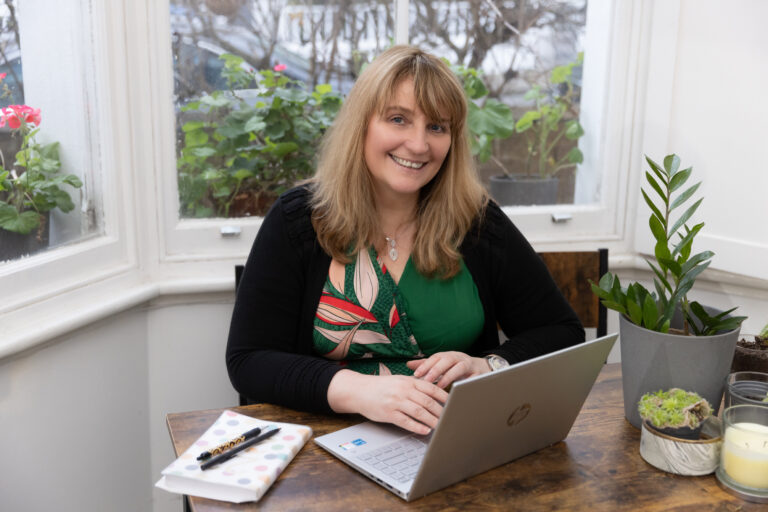
Christina Johnson
Are you currently impacted by stress, anxiety, low self esteem, depression, OCD, trauma, phobias, addiction, loss, grief or anger? Have…
View profile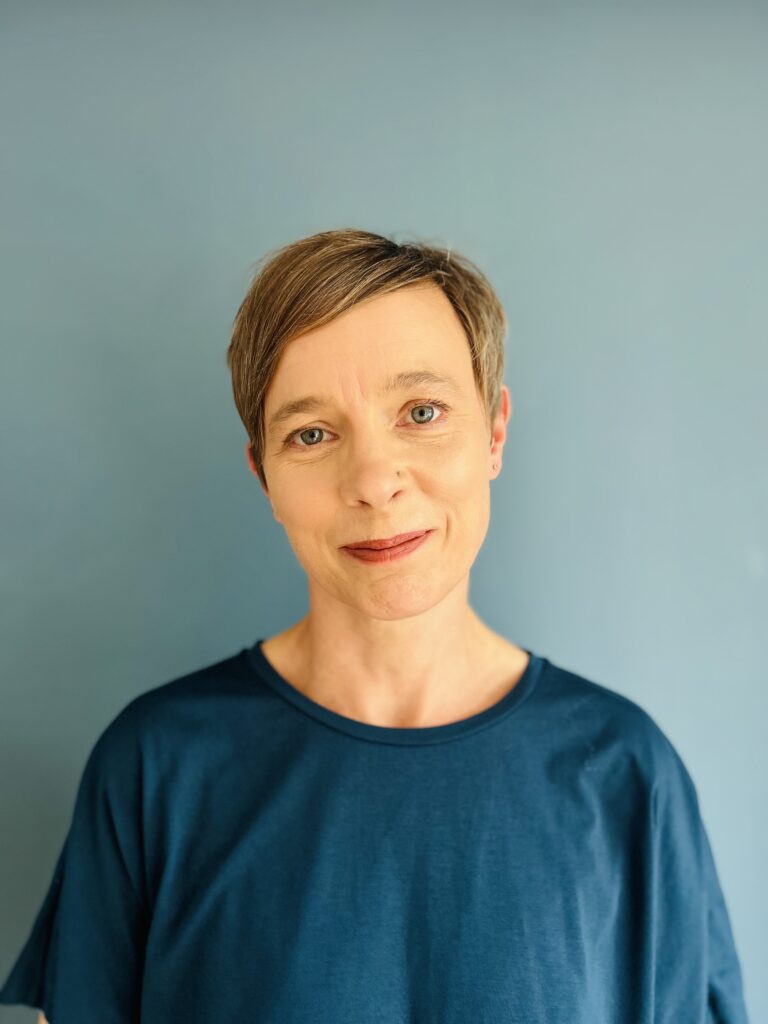
Juliette Darby
Hello and welcome. I am a BACP registered, qualified humanistic integrative counsellor working online and in person with adults in North…
View profile
Martina Klich
I trained at the Tavistock and Portman NHS Foundation Trust as a Psychodynamic Psychotherapist. I am a member of the Tavistock Society of…
View profile
Cordy Griffiths
I have more than five years experience helping a wide range of people of all ages, ethnicities and backgrounds. I have a particular focus…
View profile
Sara Poss
Life can sometimes feel overwhelming, confusing, or simply not quite how you’d like it to be. You may be struggling with anxiety…
View profile
Laura Farley
I offer a warm, confidential and non-judgemental space where clients can explore present challenges and understand themselves more clearly…
View profile
Navdeep Kaur
I am an integrative therapist with a humanistic foundation, placing the therapeutic relationship at the centre of the work. I aim to offer…
View profile
Anette Magnus
My areas of special interest include distressing relationship endings, breakups and divorce, anxiety, stress, trauma and healing from…
View profileWhat to expect from CBT therapy
CBT sessions are structured and goal-focused. You and your therapist will identify the specific problems you want to work on, and together explore the thoughts and behaviours connected to them. Between sessions, you will usually be given exercises or practices to try — this practical work is a core part of how CBT builds change over time.
A good CBT therapist will be practical and collaborative rather than directive. Over time, you will build a toolkit of skills for managing difficult thoughts and feelings more effectively — skills that remain useful long after therapy ends. CBT therapists accredited by the BABCP (British Association for Behavioural and Cognitive Psychotherapies) have completed rigorous specialist training.
Frequently Asked Questions
What conditions does CBT treat?
CBT has strong evidence for anxiety disorders, depression, OCD, PTSD, phobias, social anxiety, panic disorder, eating disorders, and health anxiety. It is also widely used for stress, low self-esteem, sleep difficulties, and anger management.
How is CBT different from other therapies?
CBT is more structured and present-focused than psychodynamic or psychoanalytic therapy. It focuses on current thought patterns and behaviours rather than exploring the past in depth. Both approaches have value — your therapist can help you decide which is likely to suit you best.
How many CBT sessions do I need?
NICE guidelines recommend 8 to 16 sessions for most anxiety and depression presentations. Some people find significant improvement in fewer sessions; others benefit from a longer course. Your therapist will review progress regularly and adjust accordingly.