
Finding an accredited CBT therapist with the right specialism makes a real difference to outcomes. This page lists verified CBT practitioners in and around Tooting, SW17 who offer both in-person and online sessions.
Therapy in Tooting
Tooting is a lively, diverse neighbourhood in south London, within the London Borough of Wandsworth. It is known for its multicultural food scene — including Tooting Market and a wide range of international restaurants — as well as Tooting Bec Common, one of south London's largest open spaces. Tooting has excellent tube connections via the Northern line at Tooting Broadway and Tooting Bec stations.
What is CBT therapy?
Cognitive Behavioural Therapy — CBT — is a structured, evidence-based form of therapy that focuses on the relationship between thoughts, feelings, and behaviours. The core idea is that our thoughts influence how we feel, and our feelings influence how we behave. By identifying and challenging unhelpful thought patterns, we can change how we respond to difficult situations.
CBT is one of the most extensively researched therapies in existence, with strong evidence for anxiety, depression, OCD, PTSD, phobias, eating disorders, and more. It is typically a relatively short-term therapy — often completed in 6 to 20 sessions — and is recommended by NICE (the National Institute for Health and Care Excellence) as a first-line treatment for many conditions.
Britta Bielenb
I joined UKCP as a fully accredited clinical member several years ago, having completed an MA and diploma in Gestalt therapy for individual…
View profile
Alex Solomon
I help young men struggling with anxiety, confidence, relationships and life changes.
View profile
Charlotte Constable
I’m a counsellor based in Streatham and Tooting in South West London, offering in-person, online, and telephone appointments. I provide a…
View profile
Mark Hoffman
I’m an integrative counsellor and psychotherapist (MBACP) and a fully qualified, insured breathwork facilitator. I offer a warm, supportive…
View profile
Rebecca Greene
I provide counselling and psychotherapy for children and young people in a safe and supportive environment where they can explore their…
View profile
Emma Malone
I work integratively – tailoring sessions to what best serves your individual needs. My core training is rooted in Psychodynamic…
View profile
Maria Ángeles Fajardo Durán
Welcome to Honest Therapy. You may be experiencing low-mood and sadness; overwhelm or anxiety; you may be feeling stuck and unsure how to…
View profile
Ester Bellissimo
I have a background in Psychology and Counselling with my undergraduate degree from the University of Derby. I trained as a Psychosexual…
View profile
Amandeep Chana
As an integrative counsellor with a CBT-informed approach, I offer a safe, warm and welcoming space where you can be yourself and speak…
View profile
Katie Fowler
I have worked as a CBT Therapist in the NHS for over 10 years. I previously held a Senior CBT Therapist role in an NHS service in West…
View profile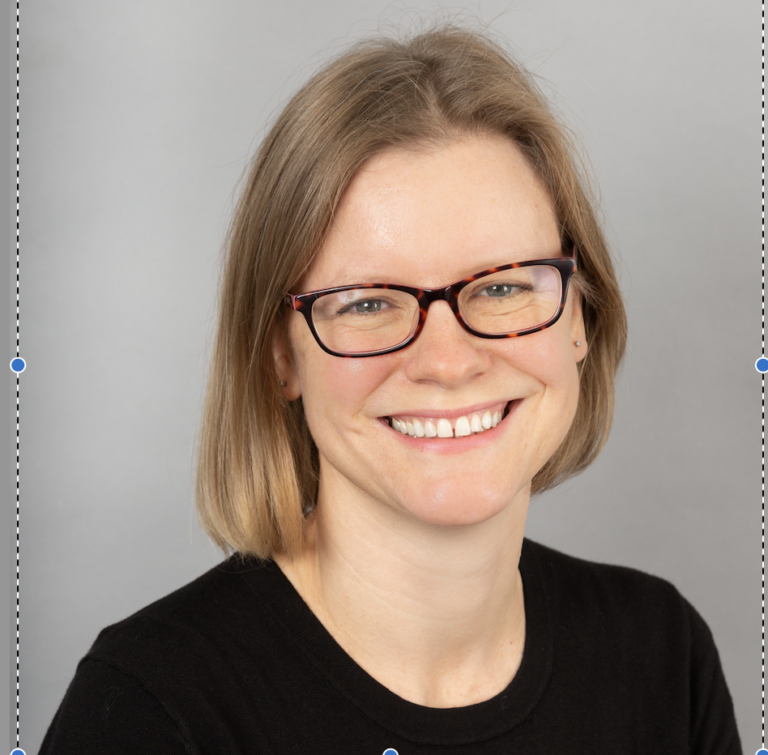
Polly Crabtree
I work with women who were always the responsible one and are now finding it hard to say no without feeling guilty. They often feel…
View profile
Chisom Deborah
I can help young people, adults and families make sense of what they are finding difficult and feel more supported in the process. My…
View profileWhat to expect from CBT therapy
CBT sessions are structured and goal-focused. You and your therapist will identify the specific problems you want to work on, and together explore the thoughts and behaviours connected to them. Between sessions, you will usually be given exercises or practices to try — this practical work is a core part of how CBT builds change over time.
A good CBT therapist will be practical and collaborative rather than directive. Over time, you will build a toolkit of skills for managing difficult thoughts and feelings more effectively — skills that remain useful long after therapy ends. CBT therapists accredited by the BABCP (British Association for Behavioural and Cognitive Psychotherapies) have completed rigorous specialist training.
Frequently Asked Questions
What conditions does CBT treat?
CBT has strong evidence for anxiety disorders, depression, OCD, PTSD, phobias, social anxiety, panic disorder, eating disorders, and health anxiety. It is also widely used for stress, low self-esteem, sleep difficulties, and anger management.
How is CBT different from other therapies?
CBT is more structured and present-focused than psychodynamic or psychoanalytic therapy. It focuses on current thought patterns and behaviours rather than exploring the past in depth. Both approaches have value — your therapist can help you decide which is likely to suit you best.
How many CBT sessions do I need?
NICE guidelines recommend 8 to 16 sessions for most anxiety and depression presentations. Some people find significant improvement in fewer sessions; others benefit from a longer course. Your therapist will review progress regularly and adjust accordingly.