
CBT therapy in Brockley is available from accredited practitioners working across the area. This directory lists qualified Cognitive Behavioural Therapy therapists offering both in-person and remote sessions.
Therapy in Brockley
Brockley is a popular residential neighbourhood in south-east London, within the London Borough of Lewisham. Known for its handsome Victorian terraces, independent coffee shops, and weekly farmers market, Brockley has become increasingly sought-after in recent years. It is served by Brockley and Crofton Park stations with Overground and National Rail connections to London Bridge, Canada Water, and Clapham Junction.
What is CBT therapy?
Cognitive Behavioural Therapy — CBT — is a structured, evidence-based form of therapy that focuses on the relationship between thoughts, feelings, and behaviours. The core idea is that our thoughts influence how we feel, and our feelings influence how we behave. By identifying and challenging unhelpful thought patterns, we can change how we respond to difficult situations.
CBT is one of the most extensively researched therapies in existence, with strong evidence for anxiety, depression, OCD, PTSD, phobias, eating disorders, and more. It is typically a relatively short-term therapy — often completed in 6 to 20 sessions — and is recommended by NICE (the National Institute for Health and Care Excellence) as a first-line treatment for many conditions.
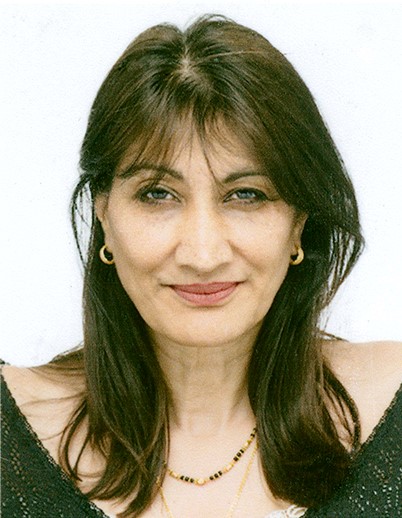
Rita Rupal
BACP-registered integrative psychotherapist based in Brockley, SE4, with an MSc in Therapeutic Counselling and additional qualifications in…
View profile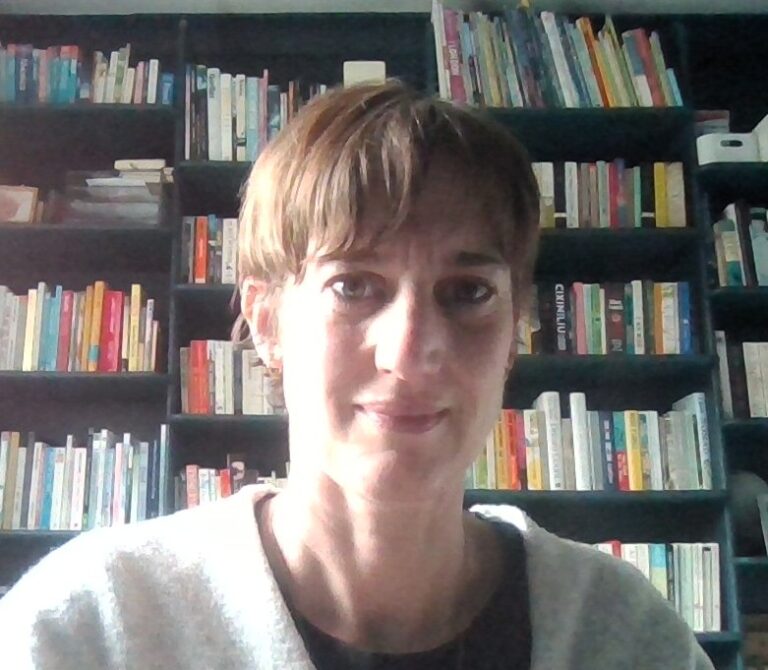
Anna Frazer
I trained at The Minster Centre and the University of East London (PGDip Integrative Counselling and Coaching, distinction). My experience…
View profile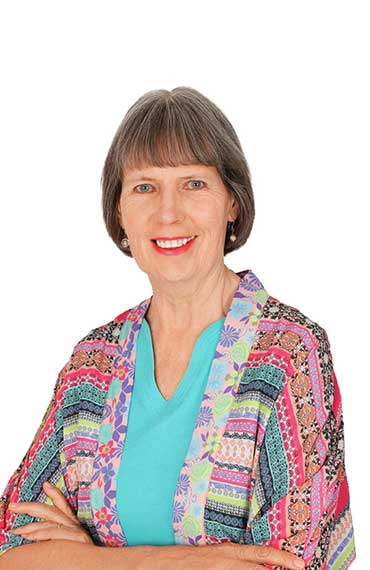
Philomena Chipman
MBACP Accredited counsellor and psychotherapist with over 22 years of experience working across mental health and education settings. She…
View profile
Abigail Madeley
BACP-registered integrative therapist specialising in remote sessions with clients across the UK. She holds an Advanced Diploma in…
View profile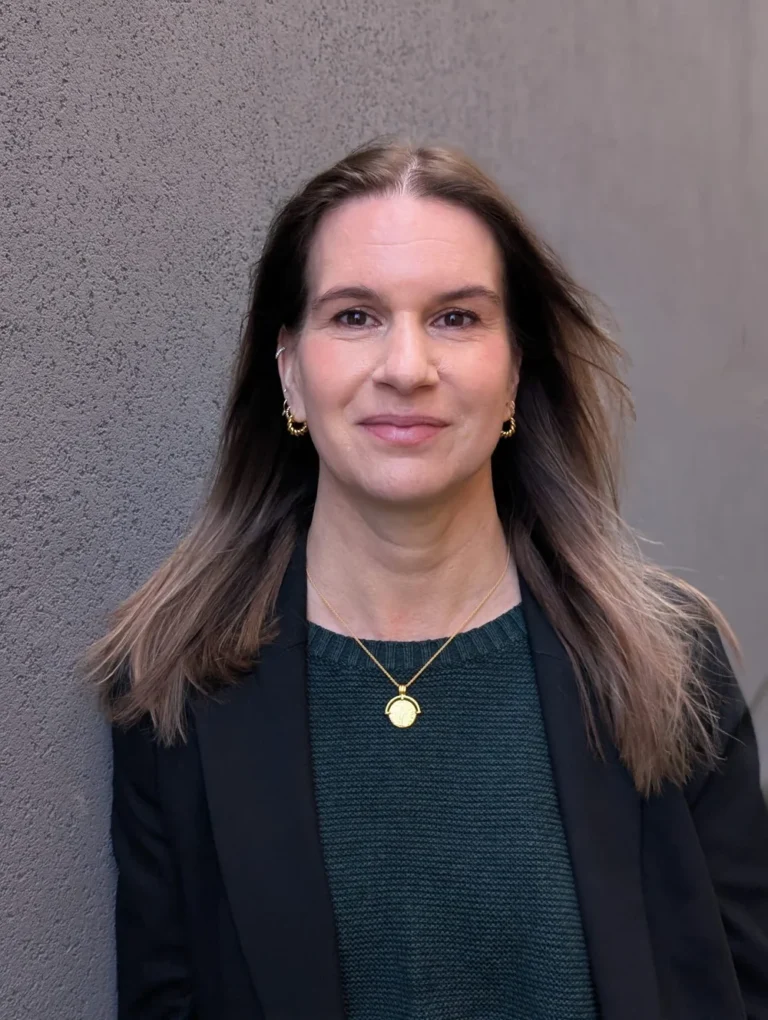
Julie Davies
Feeling anxious, confused, lost or stuck? There are many reasons to look for a counsellor, and it’s so important that you feel safe…
View profile
Helen Greenaway
MBACP member and NCPS Accredited integrative therapist and coach based in Southwark, South East London. She holds a first-class BSc (Hons)…
View profile
Nicholas Owens
I practise psychodynamic psychotherapy, exploring patterns in thoughts, feelings and relationships, and the unconscious processes that…
View profile
Stephen Nealon
I am a qualified Integrative Counsellor and registered member of the BACP, working in line with its ethical framework. I offer a supportive…
View profile
Alex Vendittelli
You appear steady. You get things done. People rely on you. Yet inside it may feel very different. You might feel tense, anxious, or…
View profile
Anna Orzech
Anna supports individual and couple clients with a wide range of difficulties including anxiety, low mood, anger, grief and loss, life…
View profile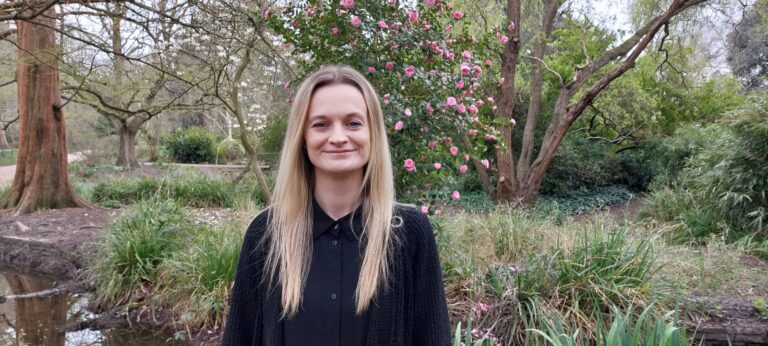
Karis Hanson
Hello, I’m Karis, an integrative counsellor and psychotherapist. I work collaboratively with each client to tailor my approach to your…
View profile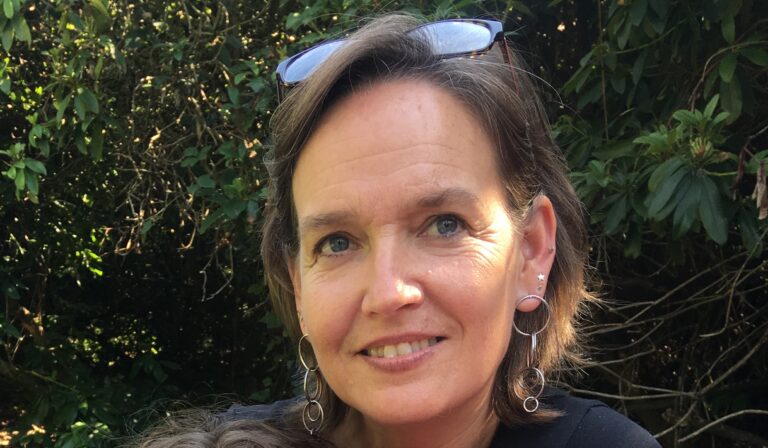
Jackie van Roosmalen
I started my professional journey as a creative arts therapist and I worked in community settings including residential homes, schools and…
View profileWhat to expect from CBT therapy
CBT sessions are structured and goal-focused. You and your therapist will identify the specific problems you want to work on, and together explore the thoughts and behaviours connected to them. Between sessions, you will usually be given exercises or practices to try — this practical work is a core part of how CBT builds change over time.
A good CBT therapist will be practical and collaborative rather than directive. Over time, you will build a toolkit of skills for managing difficult thoughts and feelings more effectively — skills that remain useful long after therapy ends. CBT therapists accredited by the BABCP (British Association for Behavioural and Cognitive Psychotherapies) have completed rigorous specialist training.
Frequently Asked Questions
What conditions does CBT treat?
CBT has strong evidence for anxiety disorders, depression, OCD, PTSD, phobias, social anxiety, panic disorder, eating disorders, and health anxiety. It is also widely used for stress, low self-esteem, sleep difficulties, and anger management.
How is CBT different from other therapies?
CBT is more structured and present-focused than psychodynamic or psychoanalytic therapy. It focuses on current thought patterns and behaviours rather than exploring the past in depth. Both approaches have value — your therapist can help you decide which is likely to suit you best.
How many CBT sessions do I need?
NICE guidelines recommend 8 to 16 sessions for most anxiety and depression presentations. Some people find significant improvement in fewer sessions; others benefit from a longer course. Your therapist will review progress regularly and adjust accordingly.