
Relationship counselling in Hackney is available from a range of qualified practitioners working across the area. These therapists work with individuals and couples on communication, trust, conflict, and other relationship difficulties.
Therapy in Hackney
Hackney is a diverse, creative neighbourhood in east London, within the London Borough of Hackney. Known for its thriving arts scene, independent businesses, and vibrant communities, it spans areas including Dalston, London Fields, and Homerton. Hackney is served by the Overground at multiple stations — including Hackney Central, Hackney Downs, and London Fields — offering connections across east, south, and central London.
What is relationship therapy?
Relationship difficulties are one of the most common reasons people seek therapy — whether they come alone or with a partner. They can range from recurring arguments and communication breakdowns to emotional distance, trust issues, or the lingering effects of an affair or betrayal.
Sometimes there is no dramatic event — just a gradual growing apart, or a persistent sense that real connection has been lost. Individual therapy for relationship issues can be just as valuable as couples therapy — it helps you understand your own patterns, what you bring to relationships, and what you genuinely need.
Mary Thomas
With a Humanistic Integrative approach, this counsellor places the client at the centre of the therapeutic process, adapting their work to…
View profile
Kelly Field
Life can sometimes leave us feeling overwhelmed, disconnected, stuck, or lost in patterns that no longer serve us. You may be struggling…
View profile
Laura Colomban
Hello, I am aware sometimes is not easy to find the ‘good enough therapist’. There are many factors that create a therapeutic…
View profile
Madeleine Roantree
Life can become difficult for many reasons. You may be feeling anxious, overwhelmed, low in mood, stuck in unhelpful patterns, struggling…
View profile
Rachael Peacock
By working with me in a therapy relationship, you’re invited to explore whatever you wish in an environment where the need for…
View profile
James Crossland
I am an integrative counsellor and founder of Crossway Therapy, working with individuals and couples. I have experience supporting people…
View profile
Mark Crow
For years I have worked with adults (18+) of all ages, helping them to find peace, stability and meaning. I bring in different but…
View profile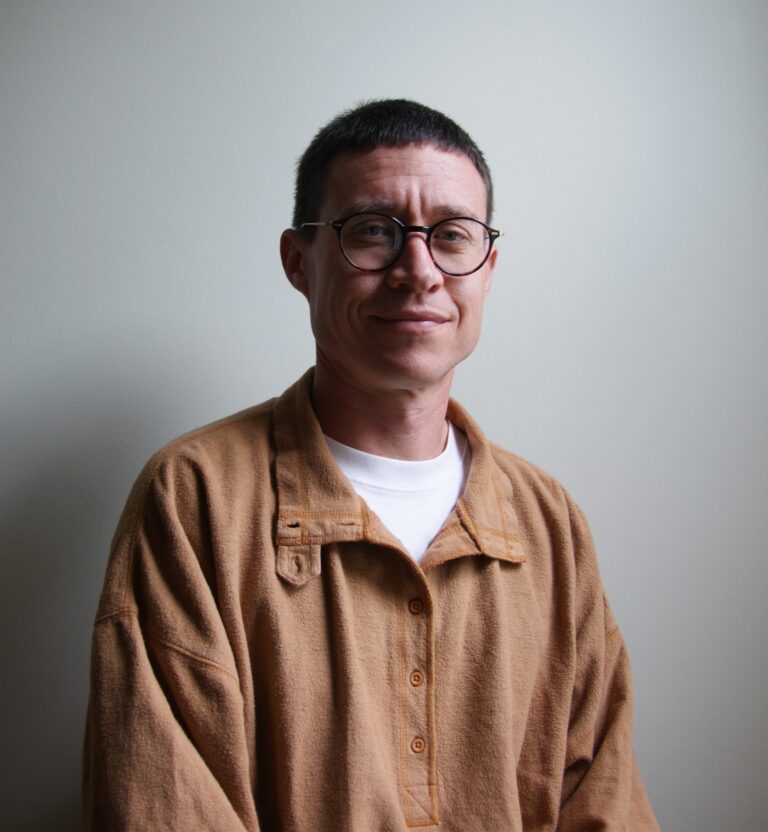
Matthew Daniel
I have a MSc in Therapeutic counselling and work integratively, which means a range of therapeutic tools and ideas are available to us…
View profile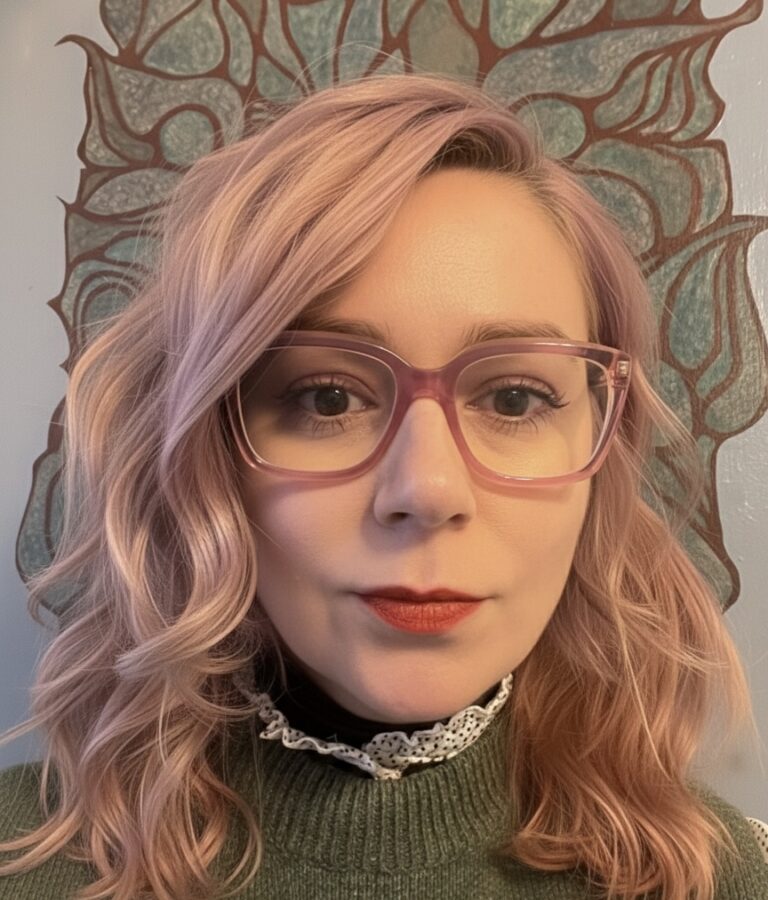
Fiona Tóth-Gillies
As a registered Art Psychotherapist (HCPC, BAAT), I have over 17 years experience working with adults and young people in Australia and the…
View profile
Oliver Fallon
I offer specialist therapy for eating disorders and OCD, on Zoom or face-to-face. I have extensive experience working in these areas in the…
View profile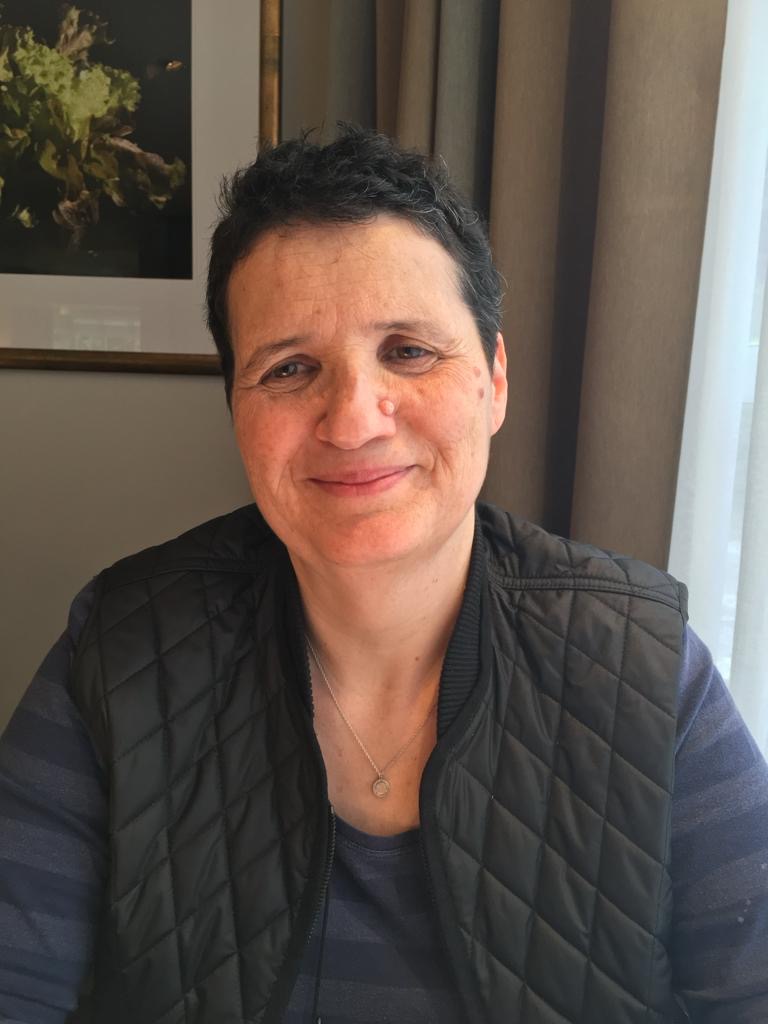
Sue Wilders
Hello, I am an experienced therapist (35yrs+) and would like to try to help you. Free introductory online call.
View profile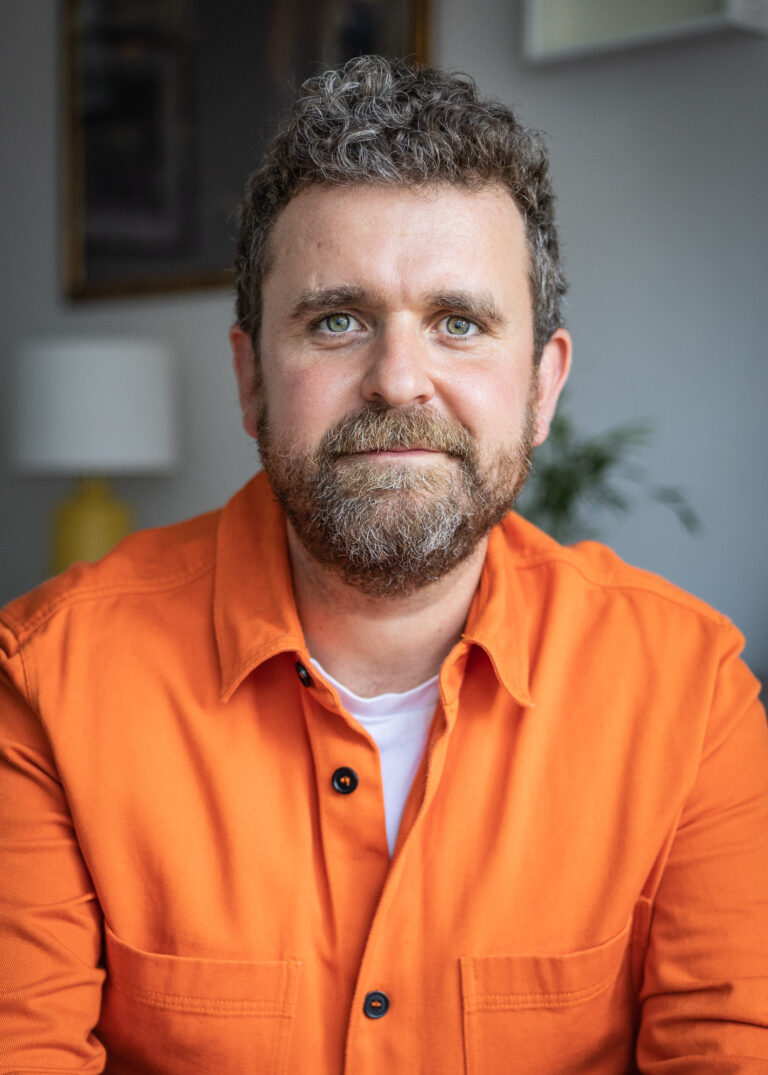
Jonathan Humphreys
I help people who are feeling lost and are looking to explore how they might move forward. Increasingly, I am sought out by individuals who…
View profileWhat to expect from relationship therapy
Relationship therapy — whether individual or with a partner — typically begins with an exploration of current patterns: what tends to happen, how each person responds, and what has been tried so far. From there, the work goes deeper: exploring early attachment experiences, the models of relationship formed in childhood, and the hopes and fears that shape behaviour in intimate relationships.
Attachment-based approaches, psychodynamic therapy, and emotionally focused therapy are all commonly used. Progress in relationship therapy often feels non-linear — things sometimes feel harder before they feel better, as honest communication replaces silence or avoidance.
Frequently Asked Questions
Should I do individual or couples therapy for relationship issues?
Both are valuable. Individual therapy helps you understand your own patterns, what you bring to relationships, and what you need. Couples therapy brings both partners into a supported dialogue. Many people do individual therapy first, then couples therapy, or both simultaneously with different therapists.
Can therapy help after an affair?
Yes — therapy can be enormously helpful after a betrayal, whether the aim is to rebuild the relationship or to process what has happened and find a way forward. Both couples therapy and individual therapy are useful. Rebuilding trust takes time, but many couples do recover from affairs with the right support.
What if my partner refuses to come to therapy?
You can still benefit significantly from individual therapy. Understanding your own patterns and needs is valuable regardless of whether your partner is involved. Individual therapy may also help you decide what you want, and sometimes partners become open to joining later.