
Depression is a serious condition, but it responds well to the right support. The therapists listed here are based in or near Tooting, SW17 and are experienced in working with depression, low mood, and related difficulties.
Therapy in Tooting
Tooting is a lively, diverse neighbourhood in south London, within the London Borough of Wandsworth. It is known for its multicultural food scene — including Tooting Market and a wide range of international restaurants — as well as Tooting Bec Common, one of south London's largest open spaces. Tooting has excellent tube connections via the Northern line at Tooting Broadway and Tooting Bec stations.
What is depression therapy?
Depression is more than feeling low or going through a difficult patch. It is a persistent state that can affect every area of life — how you think, feel, sleep, eat, relate to others, and find meaning in your days. Common experiences include a loss of interest in things that once brought pleasure, exhaustion that rest doesn't fix, difficulty concentrating, withdrawing from people, and a pervasive sense of hopelessness.
Depression affects around one in six people at some point in their lives. It is not a character flaw or a sign of weakness — it is a condition with recognisable patterns, understood causes, and effective treatments. Talking therapy is one of the most effective interventions for depression, whether used alone or alongside medication.

Emma Malone
I work integratively – tailoring sessions to what best serves your individual needs. My core training is rooted in Psychodynamic…
View profile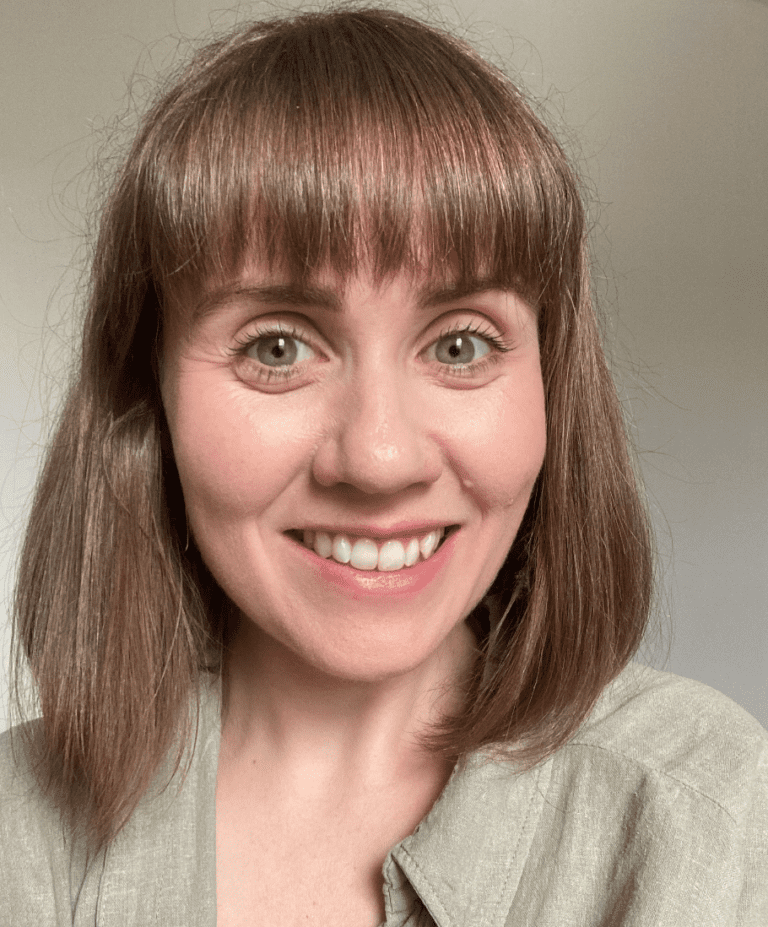
Charlotte Constable
I’m a counsellor based in Streatham and Tooting in South West London, offering in-person, online, and telephone appointments. I provide a…
View profile
Mark Hoffman
I am an integrative counsellor and psychotherapist (MBACP) offering a warm, supportive and non-judgemental space to explore what may be…
View profile
Maria Ángeles Fajardo Durán
Welcome to Honest Therapy. You may be experiencing low-mood and sadness; overwhelm or anxiety; you may be feeling stuck and unsure how to…
View profile
Amandeep Chana
As an integrative counsellor with a CBT-informed approach, I offer a safe, warm and welcoming space where you can be yourself and speak…
View profile
Katie Fowler
I have worked as a CBT Therapist in the NHS for over 10 years. I previously held a Senior CBT Therapist role in an NHS service in West…
View profile
Chisom Deborah
I can help young people, adults and families make sense of what they are finding difficult and feel more supported in the process. My…
View profile
Piers Hadman
BACP registered integrative counsellor based in South West London. He practises from a distinctly neuro-affirmative stance, taking a…
View profile
Silvi Naskinova
I can help you understand how past and present experiences may be shaping your relationships, emotions and ways of coping. Working…
View profile
Roland Oliver
BACP-Accredited and UKCP-registered Mindfulness-based Core Process Psychotherapist based in Clapham Common, London SW4. He holds an MA in…
View profile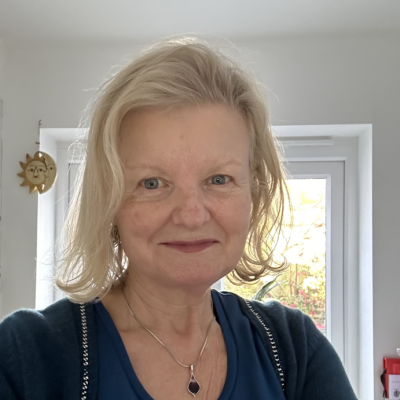
Nicola Williams
Practitioner Psychologist registered with the Health and Care Professions Council and a Chartered Associate Fellow of the British…
View profile
Amanda Salib
I am an integrative psychotherapist with over 7 years of experience working in the NHS, Rehabilitation Centres and Hospices, working with…
View profileWhat to expect from depression therapy
Depression therapy begins with space to talk honestly about your experience — when it started, how it feels, what your life is like right now. Your therapist will help you understand the thoughts, feelings, and situations that contribute to your low mood, and work with you to develop more effective ways of responding to them.
CBT can be particularly useful for identifying and shifting negative thought patterns. Psychodynamic and person-centred approaches help you explore deeper emotional themes at your own pace. Many people find that therapy lifts mood, restores motivation, and changes their relationship with themselves over time. Progress can feel slow at first but tends to build meaningfully across sessions.
Frequently Asked Questions
Is therapy effective for depression?
Yes — talking therapy is one of the most well-evidenced treatments for depression. CBT, psychodynamic therapy, and interpersonal therapy all have strong research support. Many people find significant improvement within a few months of starting therapy.
Should I see a therapist or a GP first for depression?
You can do both. Your GP can assess severity and discuss whether medication might help alongside therapy. A therapist can begin the psychological work. There is no rule about which to approach first — many people do both simultaneously.
How long does depression therapy take?
A short course of CBT (8 to 16 sessions) helps many people with mild to moderate depression. Others benefit from longer-term therapy, particularly when depression is recurrent or linked to deeper emotional patterns. Your therapist will guide you on what is likely to help most.