

Written by Luisa Kos
Table of contents


Understanding anxiety and how it impacts your overall mental health
Anxiety is a natural response to stress, but when it becomes persistent or overwhelming, it can begin to affect your overall mental health. You may feel anxious without a clear reason, or find that everyday situations trigger a heightened sense of unease. Over time, this can develop into one of several mental health conditions that impact how you think, feel, and respond to the world around you.
When anxiety becomes more intense, it can move beyond occasional worry and develop into excessive anxiety or even severe anxiety. This can affect your ability to focus, make decisions, and feel in control. At The Therapist Finder, we understand that anxiety is more than just worry. It is a mental illness that can affect your confidence, relationships, and sense of wellbeing, especially when left unsupported.

Symptoms of anxiety
Anxiety can present in different ways, and your experience may not look the same as someone else’s. While the main symptom is often a persistent sense of worry, anxiety also includes a range of psychological symptoms and physical symptoms that can affect both your mind and body. Common symptoms include:
- Feeling tense or constantly on edge
- A rapid heartbeat or pounding heart
- A churning feeling in your stomach
- Feeling sick or experiencing digestive discomfort
- Trouble concentrating or feeling mentally overwhelmed
- Difficulty with sleeping habits
- Experiencing panic attacks that can last just a few minutes
- Avoiding social situations due to fear or discomfort
- Feeling trapped or unable to relax
- Persistent worry about everyday life or future events
If you recognise these other symptoms, it may indicate that anxiety is beginning to take a stronger hold. With the right support from a mental health provider, you can start to understand what is happening and take steps to reduce anxiety.
How anxiety symptoms can impact day-to-day life
Anxiety can affect your daily life in ways that feel subtle at first, but over time can become more disruptive. You may find it harder to complete routine tasks, manage responsibilities, or feel present in your everyday life. Even simple decisions can begin to feel overwhelming.
It can also affect your relationships. You might withdraw from social situations, struggle to communicate how you feel, or avoid interactions altogether. Conditions such as social phobia can make it difficult to engage with others, leading to isolation and reduced confidence.
In more severe cases, anxiety can worsen over time and can begin to impact your ability to work, maintain routines, or enjoy activities you once valued. Without support, anxiety can begin to shape your choices and limit your freedom, making it harder to feel in control of your life.
How can I benefit from therapy?
Therapy offers you a safe and structured space to explore your thoughts, feelings, and behaviours without judgement. Through talking therapies, you can begin to understand what may be contributing to your anxiety and how it is affecting your mental health. This process helps you gain clarity and build awareness around your experiences.
Working with a therapist through The Therapist Finder allows you to develop a personalised treatment plan that supports your needs. Therapy can help you manage overwhelming fear, improve coping strategies, and regain confidence in your ability to navigate life’s challenges. With the right guidance, you can experience anxiety in a more manageable way and start to feel more in control.
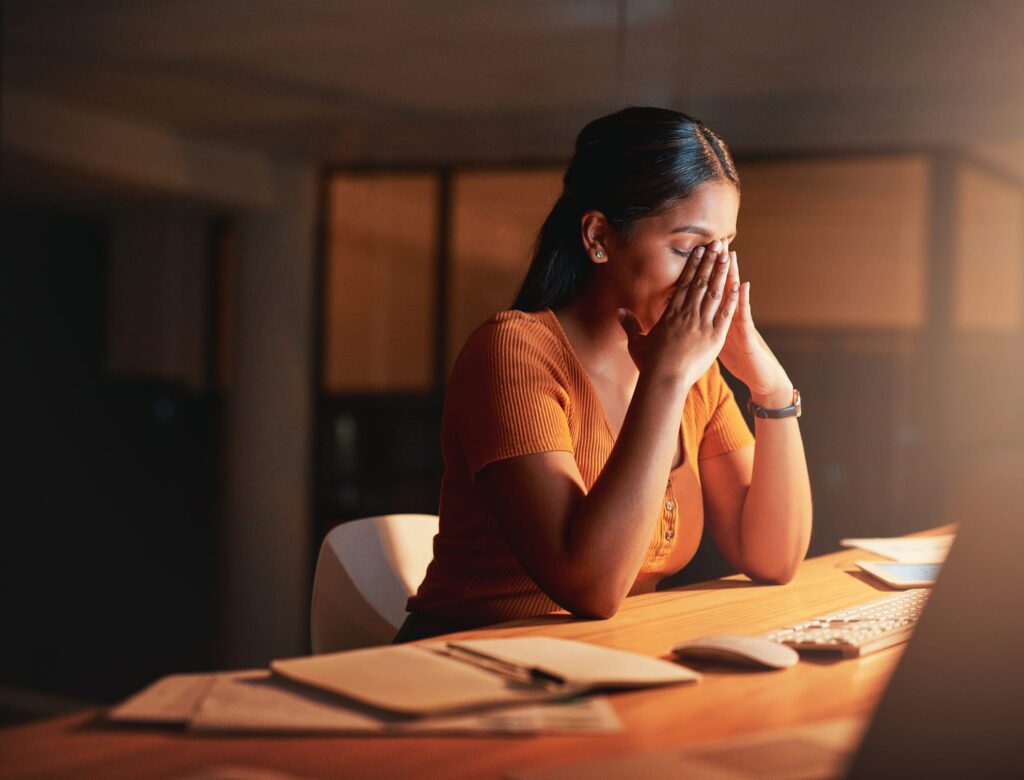
Therapeutic approaches for supporting your anxiety disorder
There are a range of effective treatments available for anxiety, and the right approach will depend on your individual needs. At The Therapist Finder, you can connect with professionals who use a variety of evidence-based treatment options to support your mental health.
Cognitive Behavioural Therapy (CBT)
CBT focuses on identifying and changing unhelpful thought patterns and behaviours. It helps you understand how your thoughts influence your feelings and actions, providing practical tools to reduce anxiety and manage triggers.
Psychodynamic Therapy
This approach explores past experiences and unconscious patterns that may contribute to anxiety. It is particularly helpful if your anxiety connects to stressful or traumatic experiences or a traumatic event in your life.
Mindfulness-Based Therapy
Mindfulness helps you stay grounded in the present moment. It can support you in managing racing thoughts, improving awareness, and reducing the intensity of anxiety symptoms.
Compassion-Focused Therapy (CFT)
CFT helps you develop a kinder relationship with yourself. If you struggle with self-criticism or low self-worth, this approach supports emotional resilience and self-acceptance.
Somatic Therapy
Somatic therapy focuses on the connection between mind and body. It can help address physical conditions linked to anxiety, such as muscle tension, fatigue, and other physical symptoms.
Integrative Approach
Many therapists use an integrative approach, combining different methods to suit your needs. This allows your therapy to adapt as you progress and ensures your support remains personalised.
What to expect in therapy
If you’re new to therapy, it’s natural to feel uncertain about what to expect. Here’s how the process typically unfolds:
- Initial session: This is an opportunity to explore your concerns, challenges, and goals in a safe and confidential space.
- Understanding your patterns: Together, we will identify patterns of thinking and behaviour that may be contributing to your anxiety.
- Developing strategies: You will learn practical tools and coping techniques tailored to your specific needs.
- Building emotional resilience: Over time, therapy will help you develop a healthier relationship with your thoughts, emotions, and behaviours.
- Sustained progress: The goal is not just symptom relief but lasting personal growth and well-being.
Therapy is a journey, and change takes time. However, even small shifts in mindset and behaviour can lead to significant improvements in your quality of life.

Anxiety can also impact your overall physical health
Anxiety does not only affect your thoughts and emotions. It can also have a direct impact on your physical health. Many people experience symptoms such as a rapid heartbeat, fatigue, or tension that can feel like a physical health problem.
When anxiety continues over time, it can contribute to physical conditions such as headaches, digestive issues, and disrupted sleep. These symptoms can make it harder to maintain your wellbeing and can increase stress levels further.
If left untreated, anxiety may begin to affect your immune system, energy levels, and overall health. At The Therapist Finder, we recognise the importance of addressing both the emotional and physical impact of anxiety to support your recovery.
Most common types of anxiety disorder
Anxiety can take many forms, and understanding the different mental disorders can help you recognise what you may be experiencing.
Generalised anxiety disorder (GAD)
GAD involves persistent and excessive worry about a range of everyday situations. You may feel worried most of the time without a clear cause.
Panic disorder
Panic disorder involves recurring panic attacks, often accompanied by intense physical symptoms. These episodes can feel sudden and overwhelming.
Social anxiety disorder
This condition, often referred to as social phobia, involves fear of social situations where you may feel judged or embarrassed. It can lead to avoidance and isolation.
Phobias
Phobias include specific phobias, where you experience strong fear of particular objects or situations. These fears can interfere with daily activities.
Agoraphobia
Agoraphobia involves fear of being in places where escape may feel difficult. You may avoid environments that feel unsafe or unpredictable.
Separation anxiety disorder
This involves intense fear of being separated from people you feel close to. It can affect both adults and children.
Understanding these conditions can help you identify your experience and explore suitable treatment options with support from The Therapist Finder.
What causes anxiety?
Anxiety can develop for many different reasons, and often a combination of factors plays a role. Some of the more common ways for anxiety to develop include:
- Genetics and family history of mental health conditions
- Stressful or traumatic experiences, including domestic violence or child abuse
- A significant traumatic event or ongoing life stress
- Environmental factors and lifestyle pressures
- Physical conditions or underlying health concerns
- Other mental health conditions such as depression
- Exposure to dangerous situations or prolonged stress
Understanding what may trigger anxiety disorders is an important step towards managing them. With the right support, you can begin to make sense of your experiences and move forward with confidence.
Take the first step with The Therapist Finder
If anxiety is making life feel overwhelming, you don’t have to face it alone. Therapy can help you break free from unhelpful patterns, build emotional strength, and move towards a life with greater peace, clarity, and connection.
Finding the right therapist for you
Not every therapist is the right fit for everyone. Here are some things to consider when choosing a therapist:
- Experience & specialisms: Do they have experience working with anxiety or related concerns such as trauma, depression or burnout?
- Therapeutic style: Do they take a structured, practical approach or a more exploratory, reflective one?
- Comfort & connection: Do you feel safe, understood, and comfortable sharing with them?
- Evidence-based approaches: Do they use scientifically supported methods like CBT, mindfulness, or psychodynamic therapy?
A good therapist will support you without judgment and help you gain insight, confidence, and tools to manage life’s challenges more effectively.
Find a specialist
Finding the right therapist for anxiety is a crucial step towards healing and personal growth. A good therapist should provide a safe, non-judgmental space where you feel understood and supported. Look for someone with experience in treating anxiety, ideally using evidence-based approaches such as Cognitive Behavioural Therapy (CBT), Psychodynamic Therapy, or Mindfulness-Based techniques. Consider their therapeutic style – whether you prefer a structured, goal-oriented approach or a more open, exploratory process. It’s also important to feel a genuine connection with your therapist, as trust and rapport play a key role in effective therapy. Many therapists offer an initial consultation, which can help you determine if their approach aligns with your needs. The right therapist will not only help you manage symptoms but also empower you to develop healthier coping strategies and create lasting change.


Oliver Fallon
I offer specialist therapy for eating disorders and OCD, on Zoom or face-to-face. I have extensive experience working in these areas in the NHS at South West London and St Georges NHS Mental Health Trust. For OCD I use CBT with ERP designed collaboratively with you to tackle your particular themes. For eating disorders we focus on stability using a meal plan and decoupling body image from food.
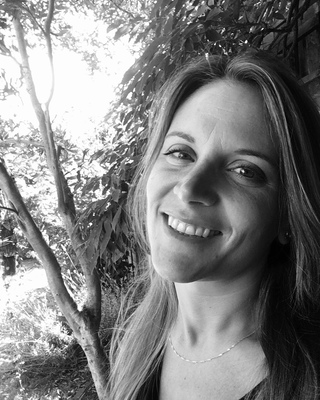
Paola Filotico
I offer short, medium, and long-term online therapy for adults and couples, in English and Italian. My specialties include anxiety disorders, self-esteem issues, grief and bereavement, and life transitions. With experience in both public and private sectors, I use tools from various therapeutic schools, tailoring interventions creatively to each person’s unique context.

Luq Adejumo
I have Master’s degree (MSc) in Person-centred psychotherapy and a Diploma in Contemporary Person-centred psychotherapy from The Metanoia Institute
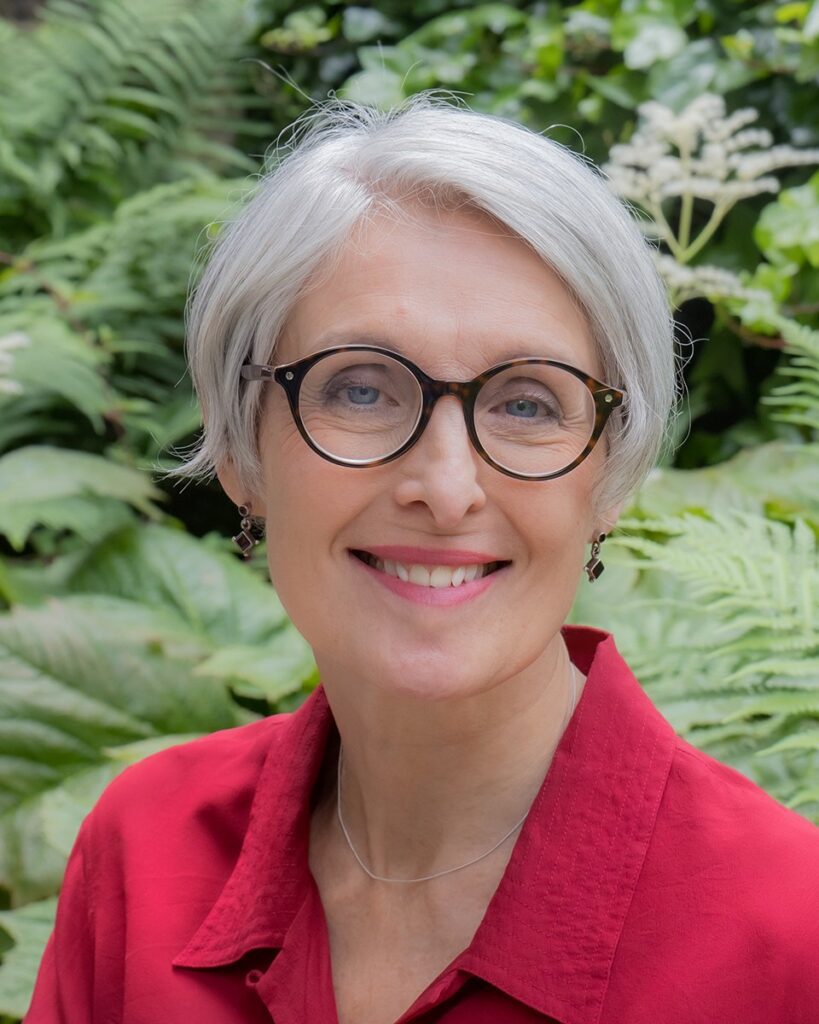
Sally Fricker
As a psychodynamic therapist. I use a relational process where significant personal change can emerge from feeling seen, heard and accepted. Perhaps you are facing anxiety, depression, loss, self-esteem or relationship problems, self-sabotage, or you feel stuck? I offer an emotionally supportive space where we can unearth, at your own pace, underlying patterns, and explore these challenges even when they feel difficult, confusing, or hard to articulate. I am LGBTQ+ sympathetic, and work with adults of all ages, across diverse cultures and societies. We will work to identify patterns of thinking and emotionality, and their young origins. I don’t give advice, but help empower you to make decisions aligned with an authentic self we’ll discover through creative collaboration. By understanding the influences shaping your life, we can work toward meaningful change and a more fulfilling, often simpler, life. I address a wide range of client issues in my psychodynamic practice. Specialisms: I support women with maternal/ perinatal mental health issues, and those in controlling /coercive relationships. I’m experienced counselling neurodiverse individuals, (autism spectrum/ADHD) and aso provide therapeutic support to families raising ND children and young people
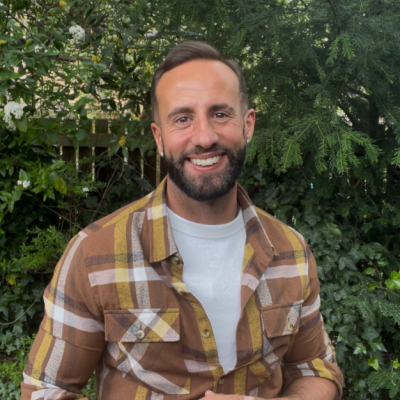
Pedro Garcia
I am a BACP-registered counsellor offering therapy in English and Spanish, both online and in person from rooms in **London Bridge (SE1) and Greenwich (SE10)**. I provide **trauma-informed, diversity-affirming counselling** for adults and young adults experiencing anxiety, depression, emotional overwhelm, ADHD, low self-esteem, and questions around identity, relationships, and life direction. My work is based on the idea that when we begin to understand our story, what shaped us and why certain patterns repeat, we can start to relate to ourselves with greater clarity and compassion. I offer a thoughtful, non-judgemental space where you can explore your experiences at your own pace and find steadier ways of coping and moving forward.
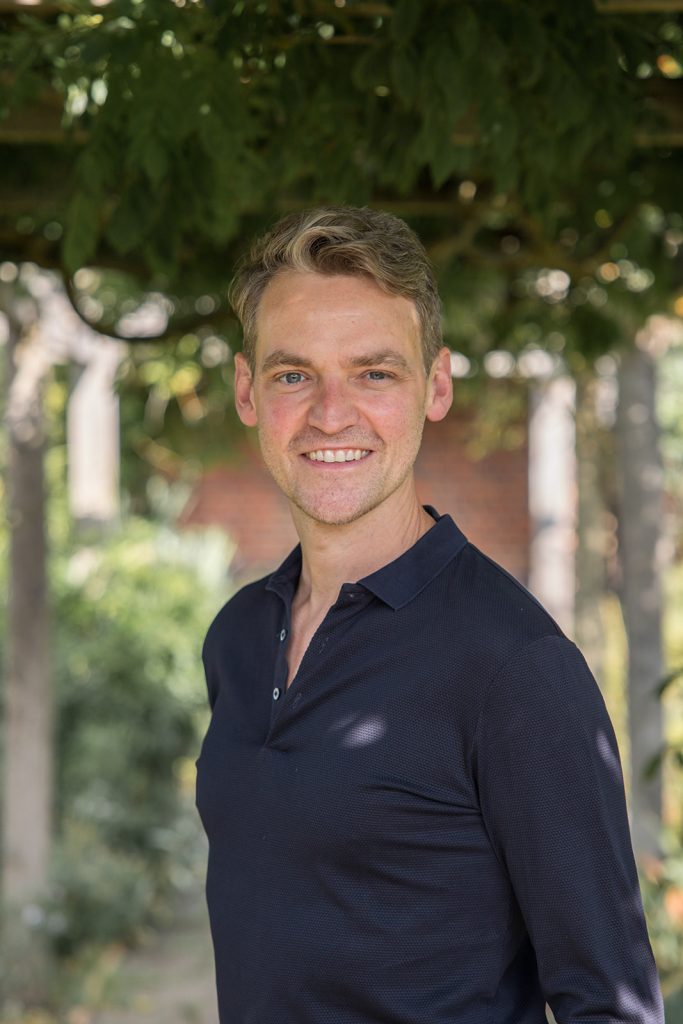
Peter Reynolds
I hold an Advanced Diploma in Integrative Counselling. My training draws on a range of therapeutic approaches, which allows me to adapt my work to suit the needs of each individual client. Before training as a counsellor, I worked for many years in the arts, where I developed a deep interest in people’s stories, emotions and inner worlds — an interest that eventually led me to counselling. Alongside my private practice, I have worked in a bereavement charity and in LGBTQ+ mental health services. These experiences have given me particular insight into grief, loss, identity and the impact of marginalisation — all of which continue to inform my work today.
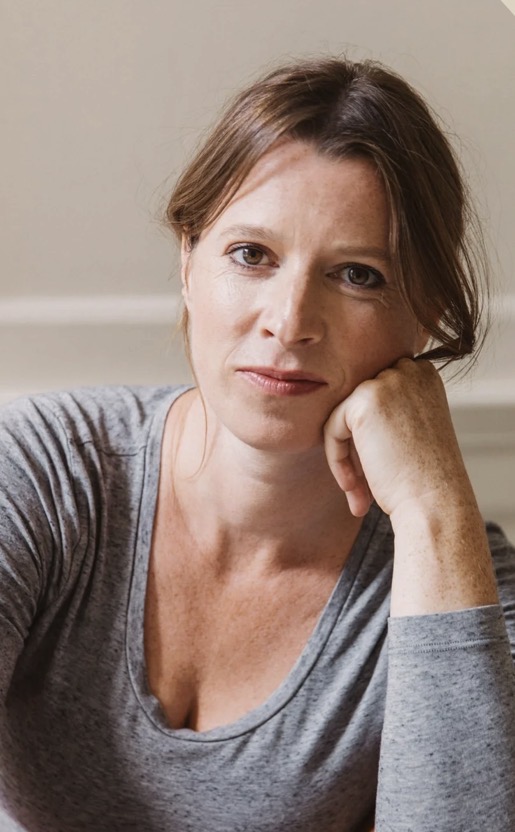
Annie Pender
Annie Pender (MA, HCPC) I am an integrative psychotherapist who is warm and relational, bringing curiosity and creativity to working with you. I facilitate clients to discover the resources inside them to move through life’s struggles. Whether you are feeling stuck, anxious or restricted in your current situation, I provide a safe space for you to reconnect to your inner capacity to live the life you chose with understanding and vitality. Integrative Psychotherapy and Counselling with Annie Pender. Difficult, painful, or confusing experiences can feel hard to make sense of alone, so having space to explore them in new ways and perspectives can help process and digest what is happening. As an integrative therapist I draw on a range of approaches to support you including Humanistic and psychodynamic theory, Gestalt therapy and creative approaches to working with mind and body – you are unique, so your sessions are unique to you. We may use talking therapy to help find out more about you, understand your story and how it is affecting you, we may also use a creative approach, working with imagery to explore and express feelings and see situations that you perhaps don’t yet have a clear picture about or words for. We can also work with your body to help process and understand your experience. Finding understanding and making meaning together, I offer a space for you to find peace and begin to move forward with a re connected sense of yourself. About me I have completed an MA in integrative arts psychotherapy, a rigorous training at the Institute of Arts In Therapy and Education in London, passing with distinction. I continue to develop my practice and research into mind and body in my work. In addition to private practice with adults, I also run regular group workshops and one to one sessions that facilitate healthy embodiment and a holistic approach to supporting our relationship to our body and mind as a resource for growth, creativity and wellbeing. I have a variety of experience working in different mental health settings, including roles working for a number of years as a therapist for the NHS, in the school system and in charitable organisations. Previous to this work I have many years working in the creative industries and continue to develop creative projects and collaborations to explore and understand the human experience.
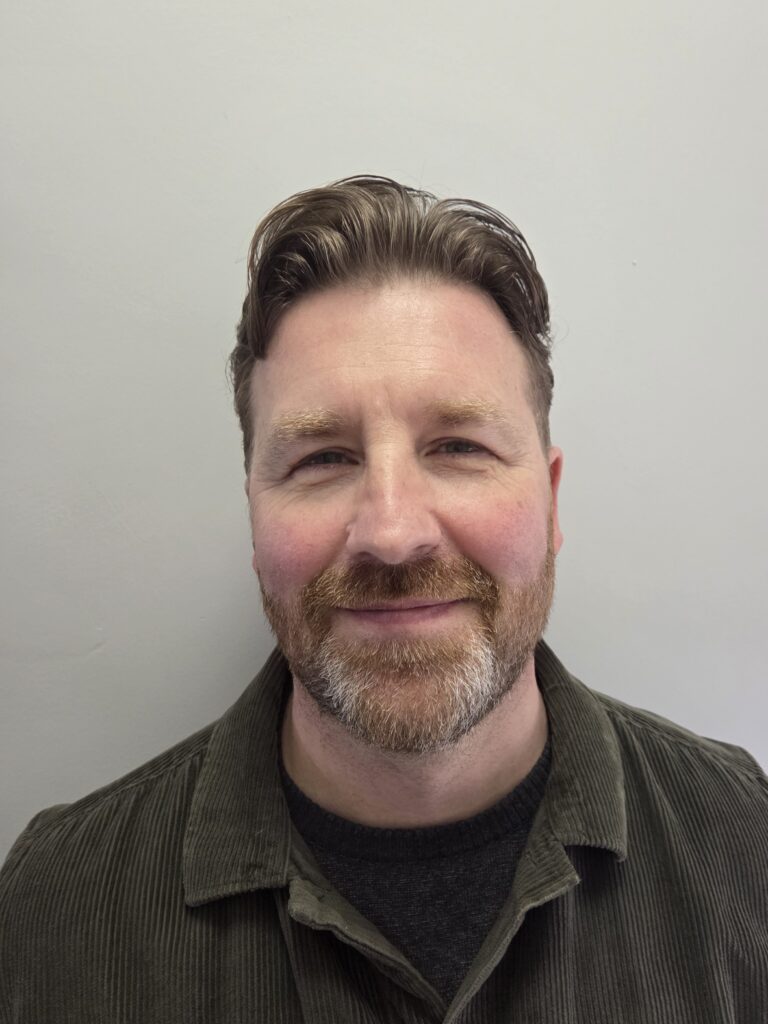
James Donaldson
James is an experienced counsellor and psychotherapist with over 23 years of clinical practice supporting people facing trauma, PTSD, depression, anxiety, bereavement, and relationship difficulties. He has worked across NHS primary care services, the armed forces community, and private practice, providing therapy both in person and online. With a Master’s degree in counselling and psychotherapy and membership of the British Association for Counselling and Psychotherapy (BACP), James works to established ethical standards while using an integrative approach informed by evidence-based methods. His additional training in mindfulness teaching, clinical hypnotherapy, NLP and performance coaching allows him to tailor therapy to each client’s needs and goals.

Lynsey Hotchkies
I am experienced in working with individuals, groups and organisations.
Our experts
Our content is reviewed by professionals. Find out more
Trust our content
We are a PIF TICK ‘trusted information creator’. This means you can be assured that what you are reading is evidence-based, understandable, jargon-free, up-to-date and produced to the best possible standard.
All content was accurate when published.