
The CBT therapists listed on this page are based in or near Hackney, E8/E9 and are accredited by recognised professional bodies. Browse practitioners by specialism, availability, and session type.
Therapy in Hackney
Hackney is a diverse, creative neighbourhood in east London, within the London Borough of Hackney. Known for its thriving arts scene, independent businesses, and vibrant communities, it spans areas including Dalston, London Fields, and Homerton. Hackney is served by the Overground at multiple stations — including Hackney Central, Hackney Downs, and London Fields — offering connections across east, south, and central London.
What is CBT therapy?
Cognitive Behavioural Therapy — CBT — is a structured, evidence-based form of therapy that focuses on the relationship between thoughts, feelings, and behaviours. The core idea is that our thoughts influence how we feel, and our feelings influence how we behave. By identifying and challenging unhelpful thought patterns, we can change how we respond to difficult situations.
CBT is one of the most extensively researched therapies in existence, with strong evidence for anxiety, depression, OCD, PTSD, phobias, eating disorders, and more. It is typically a relatively short-term therapy — often completed in 6 to 20 sessions — and is recommended by NICE (the National Institute for Health and Care Excellence) as a first-line treatment for many conditions.
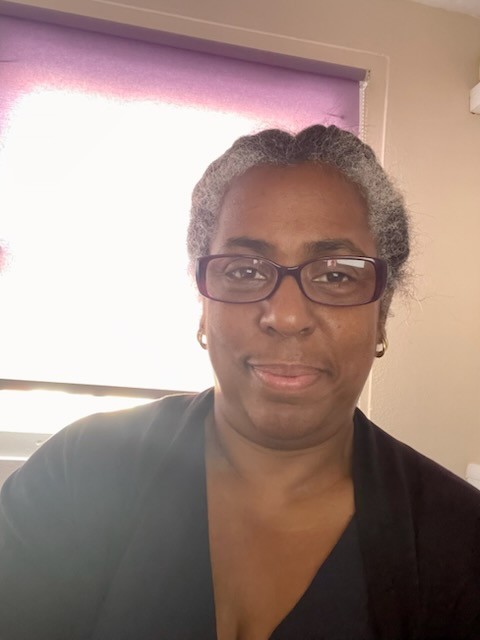
Mary Thomas
With a Humanistic Integrative approach, this counsellor places the client at the centre of the therapeutic process, adapting their work to…
View profile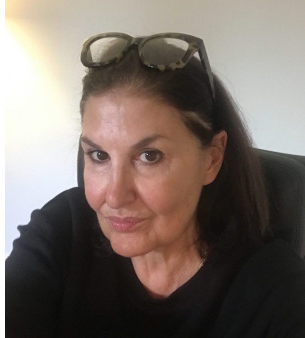
Lola Borg
If you need to speak to someone, I’m a qualified, experienced therapist and counsellor with practices in Hackney and Marylebone. People…
View profile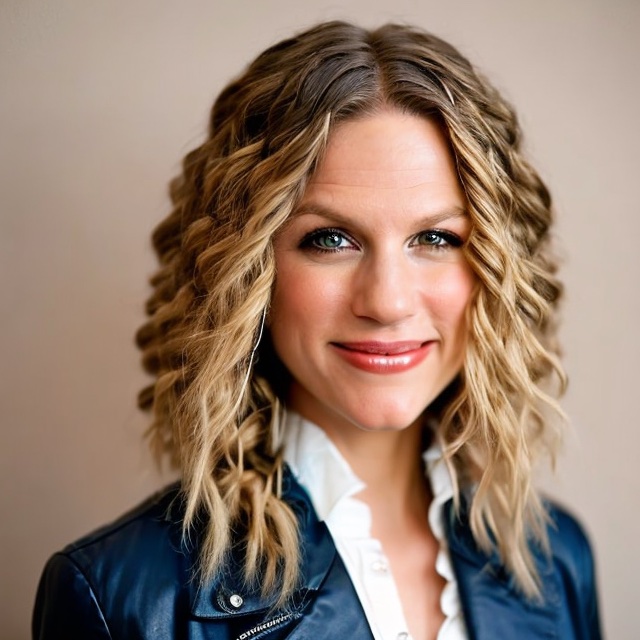
Kelly Field
Life can sometimes leave us feeling overwhelmed, disconnected, stuck, or lost in patterns that no longer serve us. You may be struggling…
View profile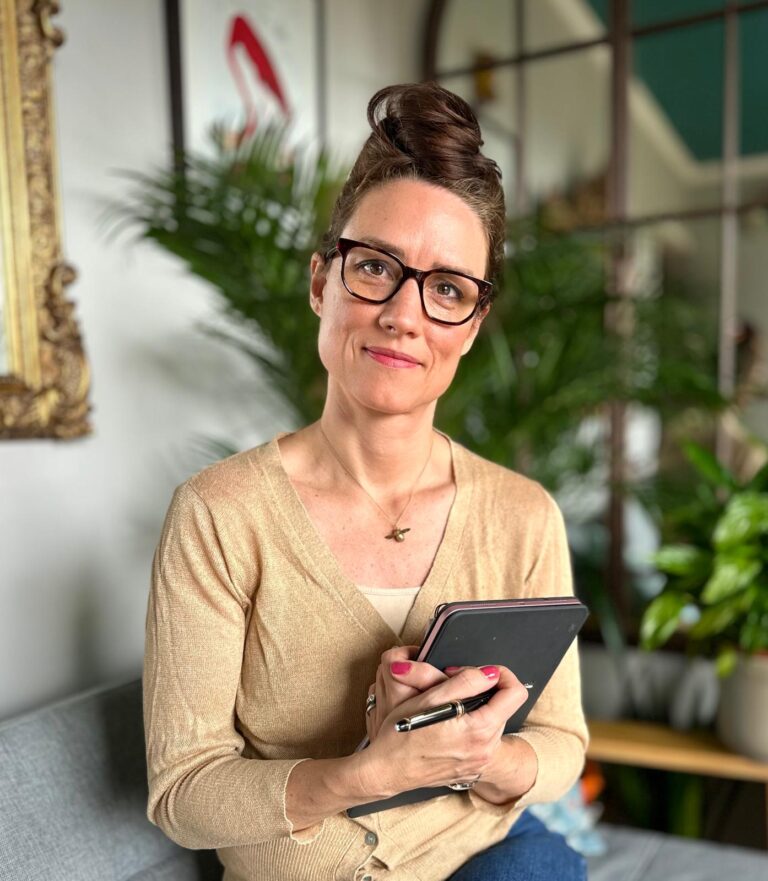
Madeleine Roantree
Life can become difficult for many reasons. You may be feeling anxious, overwhelmed, low in mood, stuck in unhelpful patterns, struggling…
View profile
James Crossland
I am an integrative counsellor with experience working with individuals and couples, specialising in relationship and attachment issues…
View profile

Fiona Tóth-Gillies
As a registered Art Psychotherapist (HCPC, BAAT), I have over 17 years experience working with adults and young people in Australia and the…
View profile
Oliver Fallon
I offer specialist therapy for eating disorders and OCD, on Zoom or face-to-face. I have extensive experience working in these areas in the…
View profile
Matthew Whitfield
I have worked in voluntary settings and private practice for 9 years. I have particular experience in working with clients who identify as…
View profile
Alena Todorov
I am a UKCP registered Psychotherapist and Certified Transactional Analyst with over eight years of clinical experience and a background in…
View profile
Julio Cervantes
Sometimes life becomes too heavy to carry alone, whether you’re struggling with anxiety or depression, going through a major…
View profile
Olivia Lang
BACP-registered trauma-informed integrative psychotherapist working in North and East London and online. She holds a PG Dip Advanced in…
View profileWhat to expect from CBT therapy
CBT sessions are structured and goal-focused. You and your therapist will identify the specific problems you want to work on, and together explore the thoughts and behaviours connected to them. Between sessions, you will usually be given exercises or practices to try — this practical work is a core part of how CBT builds change over time.
A good CBT therapist will be practical and collaborative rather than directive. Over time, you will build a toolkit of skills for managing difficult thoughts and feelings more effectively — skills that remain useful long after therapy ends. CBT therapists accredited by the BABCP (British Association for Behavioural and Cognitive Psychotherapies) have completed rigorous specialist training.
Frequently Asked Questions
What conditions does CBT treat?
CBT has strong evidence for anxiety disorders, depression, OCD, PTSD, phobias, social anxiety, panic disorder, eating disorders, and health anxiety. It is also widely used for stress, low self-esteem, sleep difficulties, and anger management.
How is CBT different from other therapies?
CBT is more structured and present-focused than psychodynamic or psychoanalytic therapy. It focuses on current thought patterns and behaviours rather than exploring the past in depth. Both approaches have value — your therapist can help you decide which is likely to suit you best.
How many CBT sessions do I need?
NICE guidelines recommend 8 to 16 sessions for most anxiety and depression presentations. Some people find significant improvement in fewer sessions; others benefit from a longer course. Your therapist will review progress regularly and adjust accordingly.