
This directory brings together relationship counsellors and therapists working in and around Battersea. Search by approach, availability, and session type to find the right practitioner.
Therapy in Battersea
Battersea is a south London neighbourhood within the London Borough of Wandsworth, located on the south bank of the Thames between Chelsea and Clapham. Once an industrial area, it has undergone significant regeneration, centred on the redevelopment of the iconic Battersea Power Station. Battersea is now served by the Northern line extension at Battersea Power Station and Nine Elms stations, with excellent connections to central London.
What is relationship therapy?
Relationship difficulties are one of the most common reasons people seek therapy — whether they come alone or with a partner. They can range from recurring arguments and communication breakdowns to emotional distance, trust issues, or the lingering effects of an affair or betrayal.
Sometimes there is no dramatic event — just a gradual growing apart, or a persistent sense that real connection has been lost. Individual therapy for relationship issues can be just as valuable as couples therapy — it helps you understand your own patterns, what you bring to relationships, and what you genuinely need.
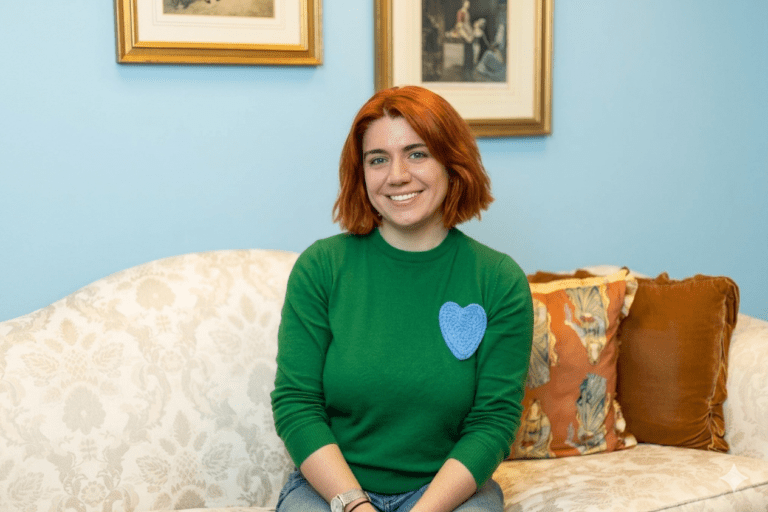
Anne Remy
I specialize in trauma, stuck patterns, immigration and living abroad, although I work with a wide variety of needs. I use a combination of…
View profile
Katie Fowler
I have worked as a CBT Therapist in the NHS for over 10 years. I previously held a Senior CBT Therapist role in an NHS service in West…
View profile
Anna Legge
I help clients who struggle with relationships and connections. This might show up as losing yourself in closeness, or feeling anxious when…
View profile
Ester Bellissimo
I have a background in Psychology and Counselling with my undergraduate degree from the University of Derby. I trained as a Psychosexual…
View profile
Maria Ángeles Fajardo Durán
Welcome to Honest Therapy. You may be experiencing low-mood and sadness; overwhelm or anxiety; you may be feeling stuck and unsure how to…
View profile
Adrian Self
Change is possible; life can be lived in rich variety, not just survived. I offer therapy as a collaborative process to help you better…
View profile
Polly Crabtree
I work with women who were always the responsible one and are now finding it hard to say no without feeling guilty. They often feel…
View profile
Marina Palmer
I am a BACP Accredited Counsellor with twelve years’ experience, offering individual counselling to adults, aged 18 and above…
View profile
Clark Crewe
I am a UKCP-registered psychotherapist based in Chelsea, Central London, working with adults navigating anxiety, stress, shame, and…
View profile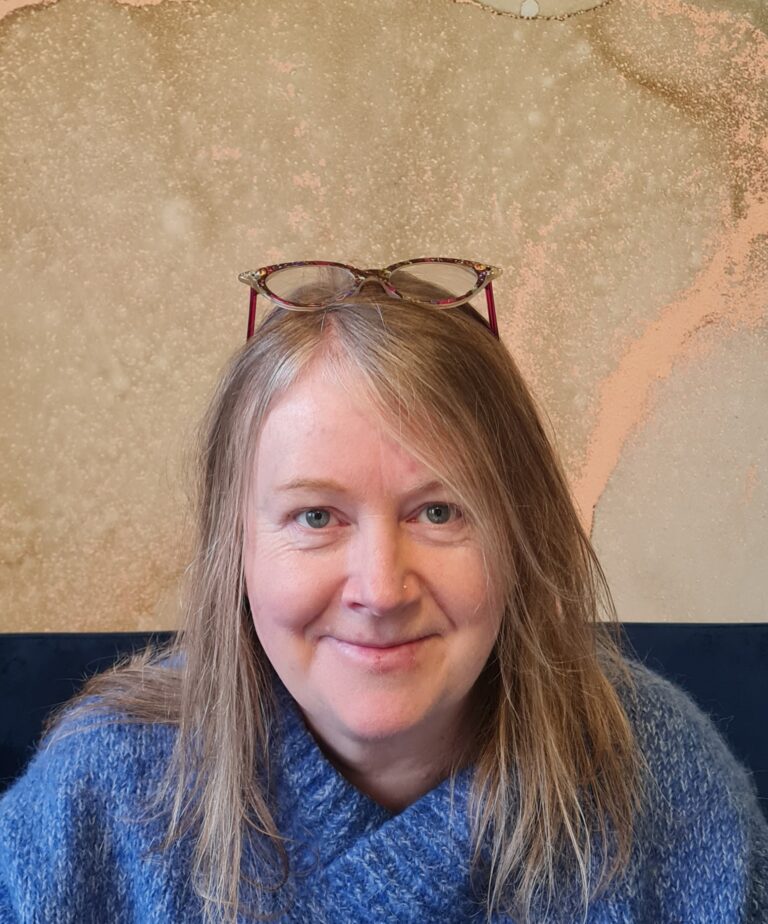
Áine Hayes
I have been working as a therapist for almost 30 years and have a background in mental health and in the charity sector, working with a…
View profile
Piers Hadman
BACP registered integrative counsellor based in South West London. He practises from a distinctly neuro-affirmative stance, taking a…
View profile
Silvi Naskinova
I can help you understand how past and present experiences may be shaping your relationships, emotions and ways of coping. Working…
View profileWhat to expect from relationship therapy
Relationship therapy — whether individual or with a partner — typically begins with an exploration of current patterns: what tends to happen, how each person responds, and what has been tried so far. From there, the work goes deeper: exploring early attachment experiences, the models of relationship formed in childhood, and the hopes and fears that shape behaviour in intimate relationships.
Attachment-based approaches, psychodynamic therapy, and emotionally focused therapy are all commonly used. Progress in relationship therapy often feels non-linear — things sometimes feel harder before they feel better, as honest communication replaces silence or avoidance.
Frequently Asked Questions
Should I do individual or couples therapy for relationship issues?
Both are valuable. Individual therapy helps you understand your own patterns, what you bring to relationships, and what you need. Couples therapy brings both partners into a supported dialogue. Many people do individual therapy first, then couples therapy, or both simultaneously with different therapists.
Can therapy help after an affair?
Yes — therapy can be enormously helpful after a betrayal, whether the aim is to rebuild the relationship or to process what has happened and find a way forward. Both couples therapy and individual therapy are useful. Rebuilding trust takes time, but many couples do recover from affairs with the right support.
What if my partner refuses to come to therapy?
You can still benefit significantly from individual therapy. Understanding your own patterns and needs is valuable regardless of whether your partner is involved. Individual therapy may also help you decide what you want, and sometimes partners become open to joining later.